Getting fit involves more than building bigger muscles or improving your endurance. Overall fitness means developing a body that is strong, mobile, balanced, and capable of handling everyday physical activities. Whether you want to climb stairs without getting tired, carry groceries more easily, improve your energy, or feel healthier as you age, having a balanced exercise routine can make a difference.
So, what is the best workout for overall fitness?
The best workout for overall fitness combines strength training, cardiovascular exercise, mobility work, and adequate recovery. Each component supports a different aspect of your health, and together they help you develop a stronger and more capable body.
You don’t need to spend hours at the gym every day or follow an advanced training program. A consistent routine that matches your fitness level, goals, and schedule can help you build lasting results.
What Should a Workout for Overall Fitness Include?
A well-rounded fitness routine should address several areas of physical health rather than focusing on just one type of exercise.
1. Strength Training for Stronger Muscles
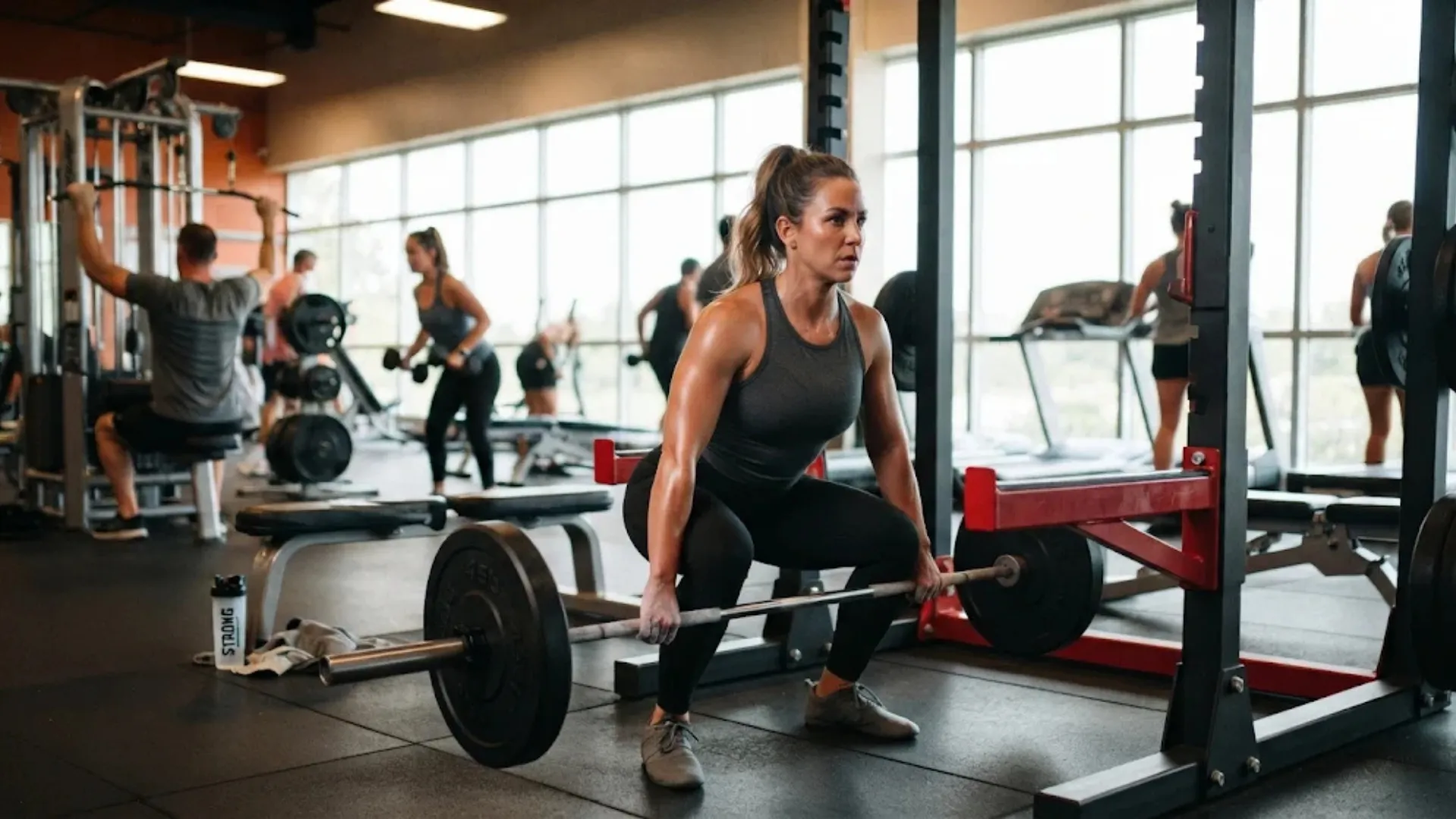
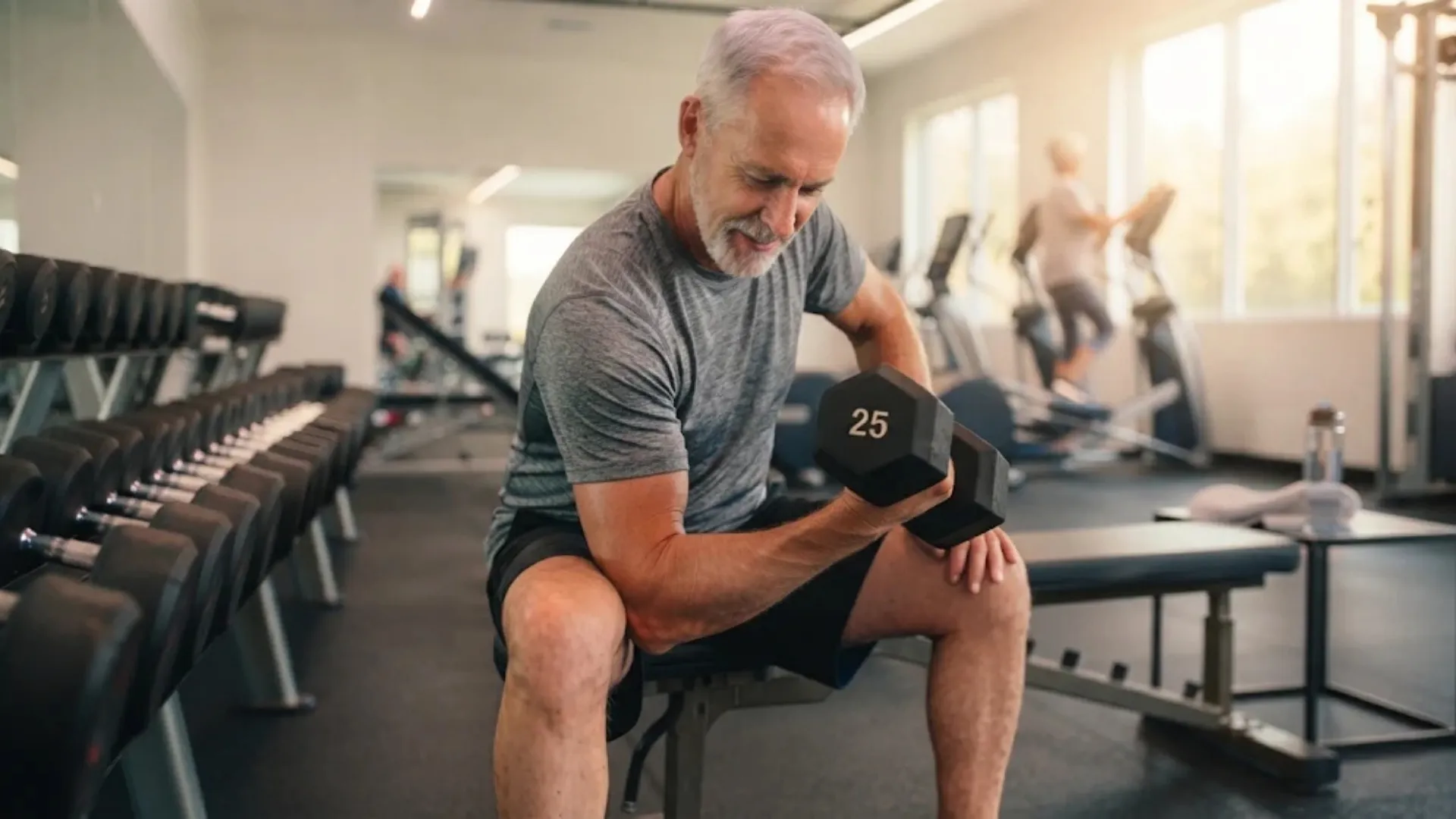
Strength training should be a regular part of your fitness routine. It helps build and maintain muscle, improve physical strength, support bone health, and make everyday activities easier.
You can use dumbbells, resistance bands, gym machines, or your own body weight. The important thing is to challenge your muscles with appropriate resistance and gradually increase the difficulty as you improve.
Some useful exercises include:
Squats for your legs and glutes.
Push-ups for your chest, shoulders, and arms.
Dumbbell rows for your back and upper body.
Lunges for lower-body strength and balance.
Planks for core stability.
For beginners, starting with two or three full-body strength sessions per week can be a practical approach.
If you want to understand how to structure resistance exercises, read our guide to the Best Strength Training Program. It explains progressive overload, balanced muscle development, and recovery.
2. Cardiovascular Exercise for Heart Health
Cardio helps strengthen your heart and lungs while improving your stamina. It also makes everyday activities, such as walking, climbing stairs, and playing with your children, feel more manageable.
You don’t have to run long distances to improve your cardiovascular fitness. Choose an activity you enjoy and can perform consistently.
Good options include:
Brisk walking
Cycling
Swimming
Jogging
Dancing
Using an elliptical machine
Try starting with 20–30 minutes of moderate activity, adjusting the duration and intensity to your current fitness level.
For general health, adults should aim for at least 150 minutes of moderate-intensity aerobic activity per week, or 75 minutes of vigorous activity, alongside muscle-strengthening exercises on at least two days.
3. Mobility and Flexibility Exercises
Strength and endurance are important, but your ability to move comfortably matters too.
Mobility exercises help you move your joints through the ranges of motion needed for everyday activities and exercise. Flexibility work can help maintain comfortable muscle movement.
Consider including:
Hip circles
Shoulder rotations
Gentle hamstring stretches
Chest stretches
Ankle mobility exercises
Gentle spinal rotations
Spend around 5–10 minutes on appropriate mobility work before or after your workouts. Use controlled movements and avoid forcing a stretch into pain.
4. Core Training for Stability and Balance
Your core muscles help stabilize your body during movement. A stronger core can support good movement control when lifting, bending, walking, and performing other physical activities.
You don’t need hundreds of crunches to train your core effectively. Try exercises such as:
Planks
Bird dogs
Dead bugs
Side planks
Glute bridges
Choose exercises you can perform with proper technique. As your control improves, you can gradually increase the difficulty.
5. Rest and Recovery
Working out consistently is important, but your body also needs time to recover. Recovery allows your muscles to repair and adapt to training.
Make sure your routine includes rest days, adequate sleep, hydration, and balanced meals. If you’re constantly exhausted or experiencing persistent soreness, your workout intensity or frequency may need adjusting.
A sustainable fitness routine should challenge you without leaving you unable to manage your everyday responsibilities.
Sample Weekly Workout Plan for Overall Fitness
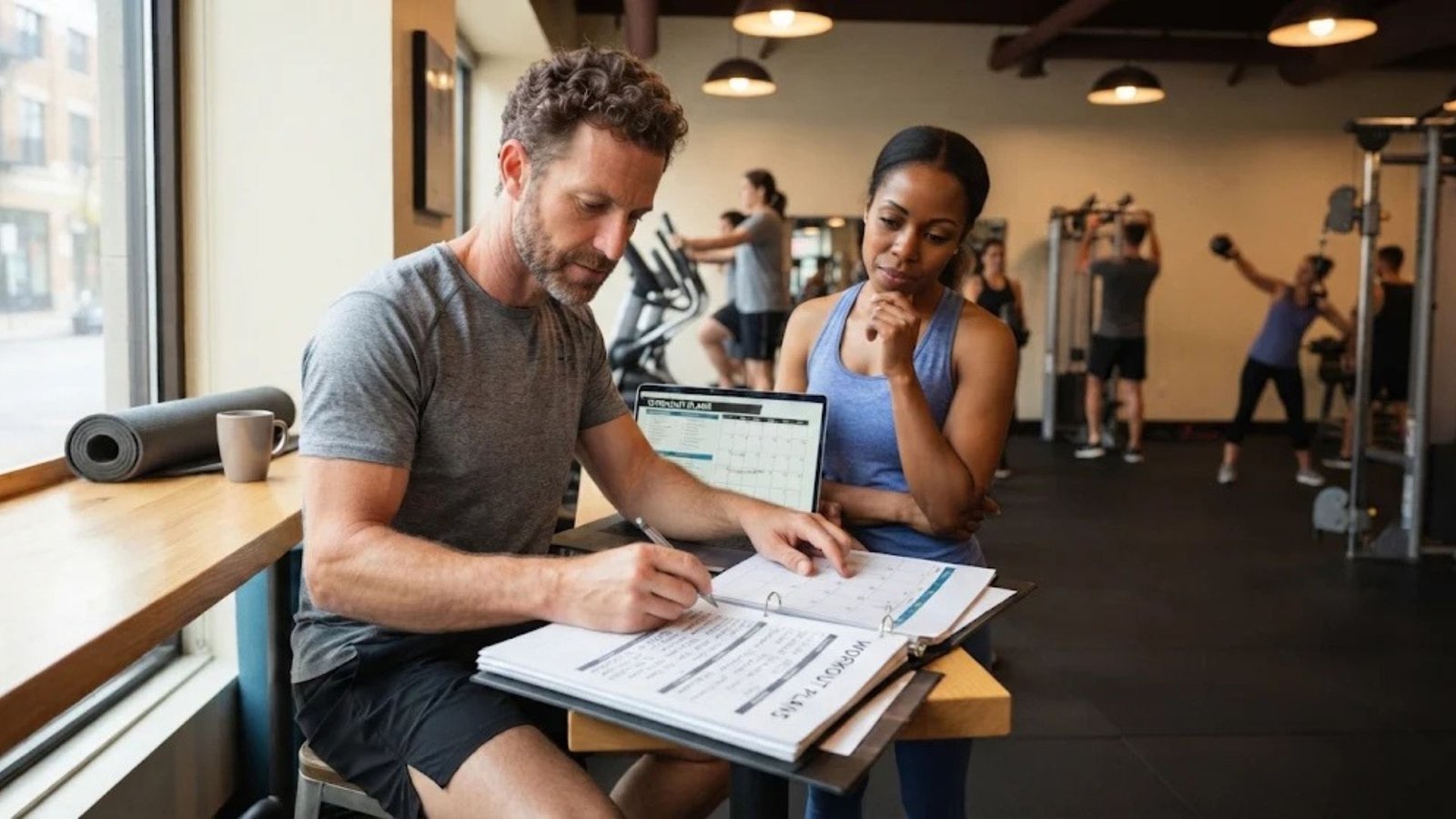
If you’re unsure how to combine different exercises, here’s a simple weekly schedule to help you get started.
| Day | Workout | Suggested Duration |
|---|---|---|
| Monday | Full-body strength training | 30–45 minutes |
| Tuesday | Brisk walking or cycling | 25–30 minutes |
| Wednesday | Strength training and core exercises | 30–40 minutes |
| Thursday | Mobility, stretching, or gentle walking | 15–25 minutes |
| Friday | Full-body strength training | 30–45 minutes |
| Saturday | Swimming, cycling, or recreational activity | 30 minutes |
| Sunday | Rest and recovery | — |
This is a sample schedule, not a requirement. Beginners can start with fewer sessions and shorter workouts. More experienced individuals may increase their training volume according to their goals and recovery.
For additional ideas, explore our article on the Best Exercise Routine, which explains how to combine different training methods into a practical weekly program.
What Are the Best Exercises for Improving Overall Fitness?
If you want to get more from your workouts without spending too much time on individual muscle groups, compound exercises are worth including.
Compound exercises involve multiple joints and muscle groups at the same time. They help develop practical strength, coordination, and movement control.
Some effective examples include:
Squats: Strengthen your legs and glutes while practicing a movement you use when sitting and standing.
Push-ups: Develop upper-body strength by working your chest, shoulders, and triceps.
Rows: Strengthen your back and help balance your upper-body training.
Lunges: Challenge your legs while developing single-leg strength and balance.
Deadlift variations: Train your hips, glutes, hamstrings, and back through a controlled lifting movement.
Planks: Challenge your core muscles to maintain stability.
You can learn more about these movements in our article, What Are Compound Exercises?.
Start with easier variations if needed. Proper technique is more important than lifting heavy weights or completing as many repetitions as possible.
How Can Beginners Start Improving Their Overall Fitness?
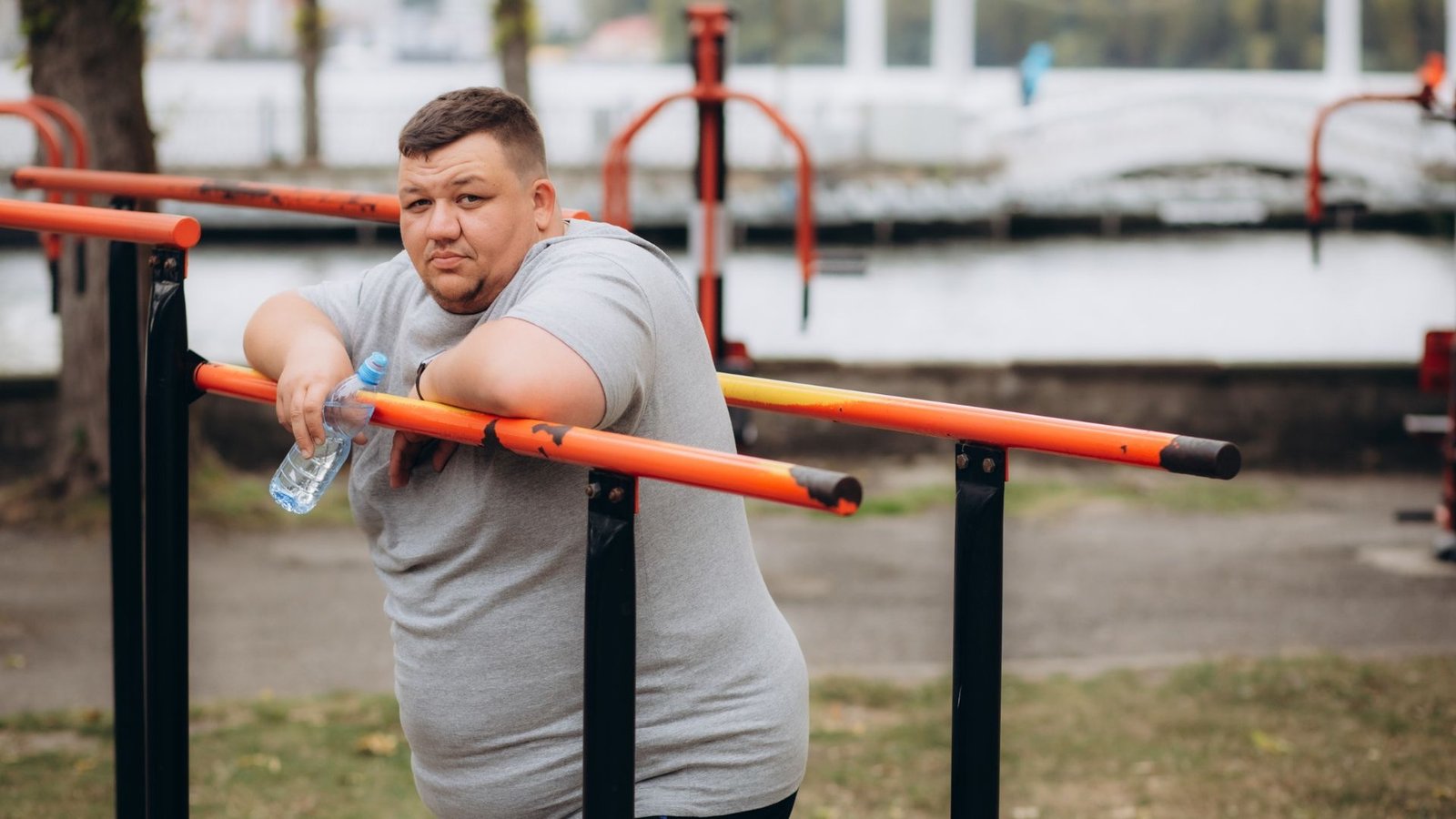
If you haven’t exercised regularly, trying to follow an advanced workout program can quickly become discouraging. Starting with manageable activities allows you to develop confidence and build consistency.
Here are some practical ways to begin:
Start with simple exercises. Choose movements such as bodyweight squats, wall push-ups, and walking.
Set realistic goals. Instead of expecting immediate physical changes, aim to complete a few workouts each week.
Increase difficulty gradually. Add repetitions, resistance, or workout time as your fitness improves.
Track your progress. Record your workouts and notice improvements in strength, endurance, and movement.
Choose activities you enjoy. You’re more likely to stay consistent when exercise feels manageable and enjoyable.
If you prefer exercising at home, our guide to Workout Routines for Beginners at Home provides practical exercise ideas that don’t require a fully equipped gym.
Common Mistakes to Avoid When Training for Overall Fitness
Even with a good workout plan, certain habits can make it harder to achieve your goals.
Focusing on only one type of exercise: Doing cardio without strength training, or strength training without enough cardiovascular activity, may leave gaps in your overall fitness routine.
Doing too much too soon: Increasing workout intensity or frequency too quickly can make recovery difficult and increase the risk of injury.
Ignoring recovery: Rest is part of an effective training plan. Skipping recovery can affect performance and consistency.
Following routines that don’t fit your lifestyle: A demanding workout schedule won’t help if you can’t maintain it. Choose a realistic plan that works around your responsibilities.
Expecting immediate results: Improvements in fitness take time. Focus on consistent effort rather than judging your progress after only a few sessions.
Frequently Asked Questions
What is the best exercise for overall health?
There isn't one exercise that provides every fitness benefit. Combining strength training, walking or other cardio activities, and mobility exercises is a more complete approach to overall health.
How many days a week should I work out for overall fitness?
Many adults can build a balanced routine with three or four structured workout days per week, alongside regular daily movement. Your ideal schedule depends on your experience, goals, and recovery needs.
Is strength training enough for overall fitness?
Strength training is important, but it doesn't address every aspect of fitness. Combining it with cardiovascular exercise and mobility work can provide a more balanced approach.
Can I improve my overall fitness at home?
Yes. Bodyweight exercises, resistance bands, walking, and home cardio workouts can help improve your fitness without requiring a gym membership.
How long does it take to improve overall fitness?
Some people notice improvements in stamina, coordination, and exercise performance within a few weeks. More significant changes in strength and physical appearance generally require longer periods of consistent training.
What Is the Best Workout for Overall Fitness? Build a Balanced Routine
The best workout for overall fitness is one that develops strength, cardiovascular endurance, mobility, and stability while allowing enough time for recovery.
You don’t need an expensive gym membership or an extremely demanding routine to get started. Begin with exercises that match your current ability, choose activities you enjoy, and gradually increase the challenge as you become stronger.
Remember, improving your fitness isn’t about being perfect every day. It’s about making regular movement part of your lifestyle and building habits that support your health over time.
Improve Your Fitness With Lakeland Personal Training
Not sure how to put together a workout routine that supports your goals? Lakeland Personal Training can help you explore a personalized fitness approach based on your current ability, preferences, and schedule.
Whether you want to build strength, improve endurance, lose weight, or simply feel healthier, having a structured plan can make your fitness journey easier to manage.