Understanding the Benefits of Compound Exercises
Compound exercises are movements that train multiple joints and muscle groups at the same time, making them a practical foundation for strength, muscle, coordination, and everyday fitness. Instead of isolating one muscle in a highly specific way, they teach your body to move as a connected system. In this guide, you’ll learn why compound lifts matter, how they fit into strength training basics, and how to use them safely in full-body workouts.
What are compound exercises?
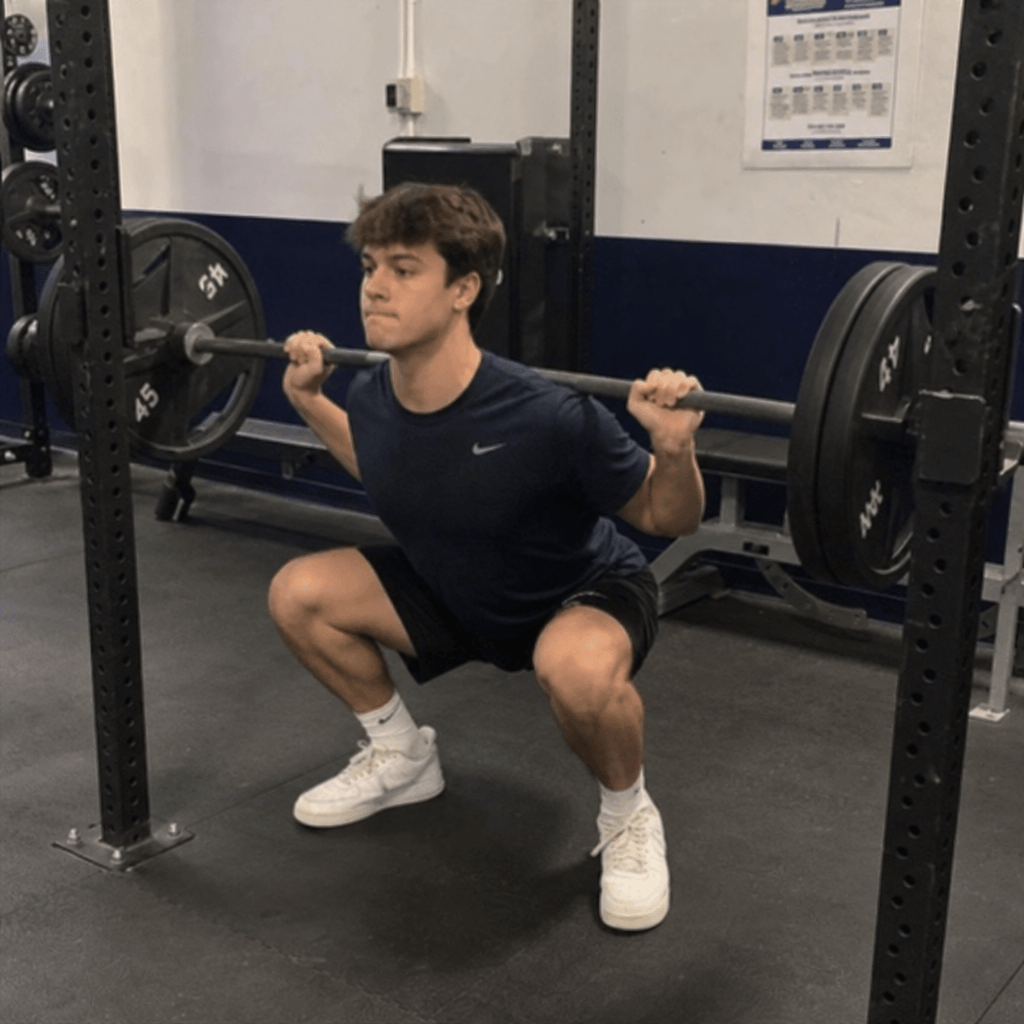
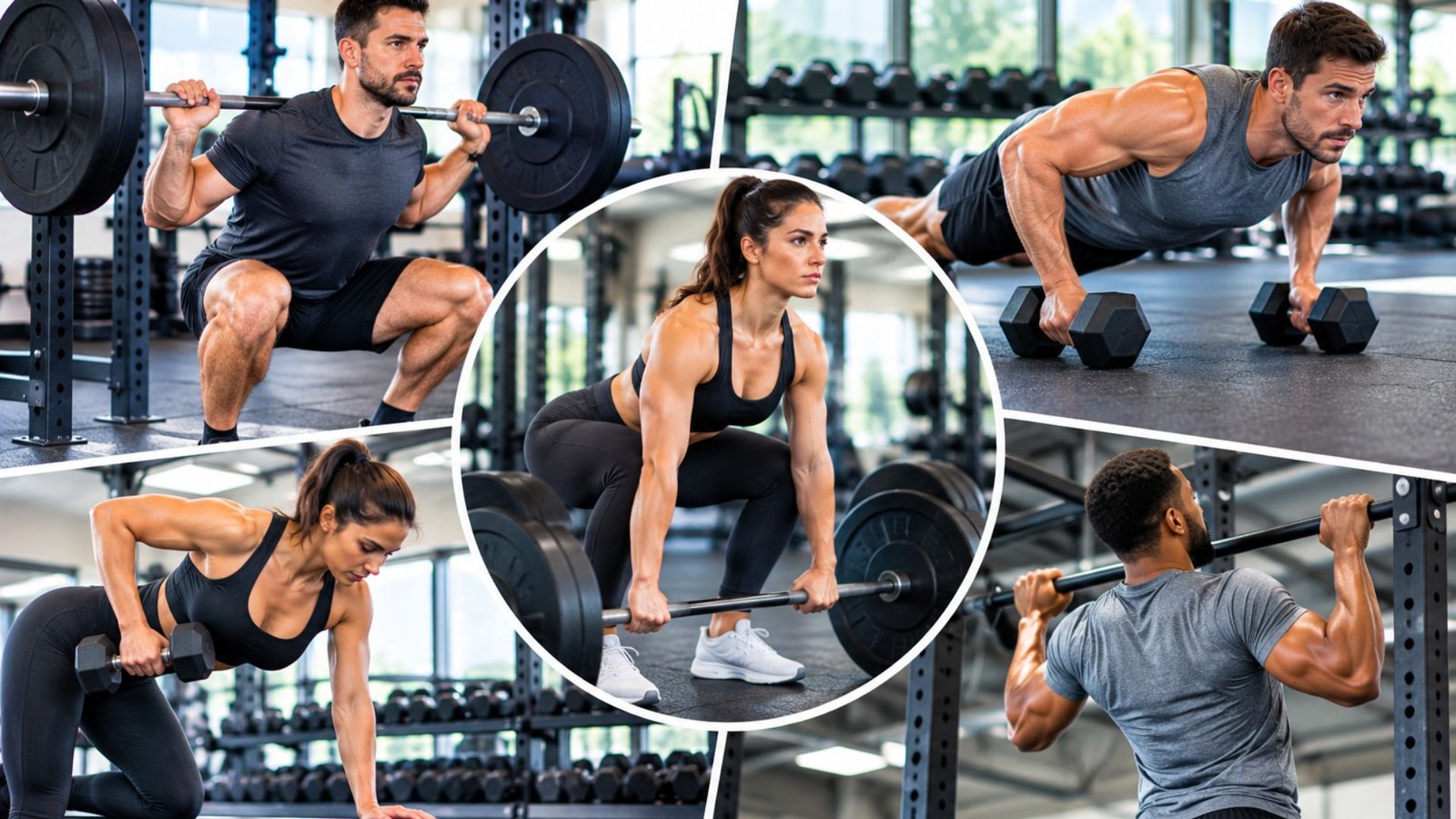
Compound exercises are exercises that involve more than one joint and recruit several muscles during a single movement. A squat, for example, uses the hips, knees, and ankles while challenging the quads, glutes, hamstrings, core, and back. A push-up uses the shoulders, elbows, chest, triceps, core, and stabilizing muscles throughout the body.
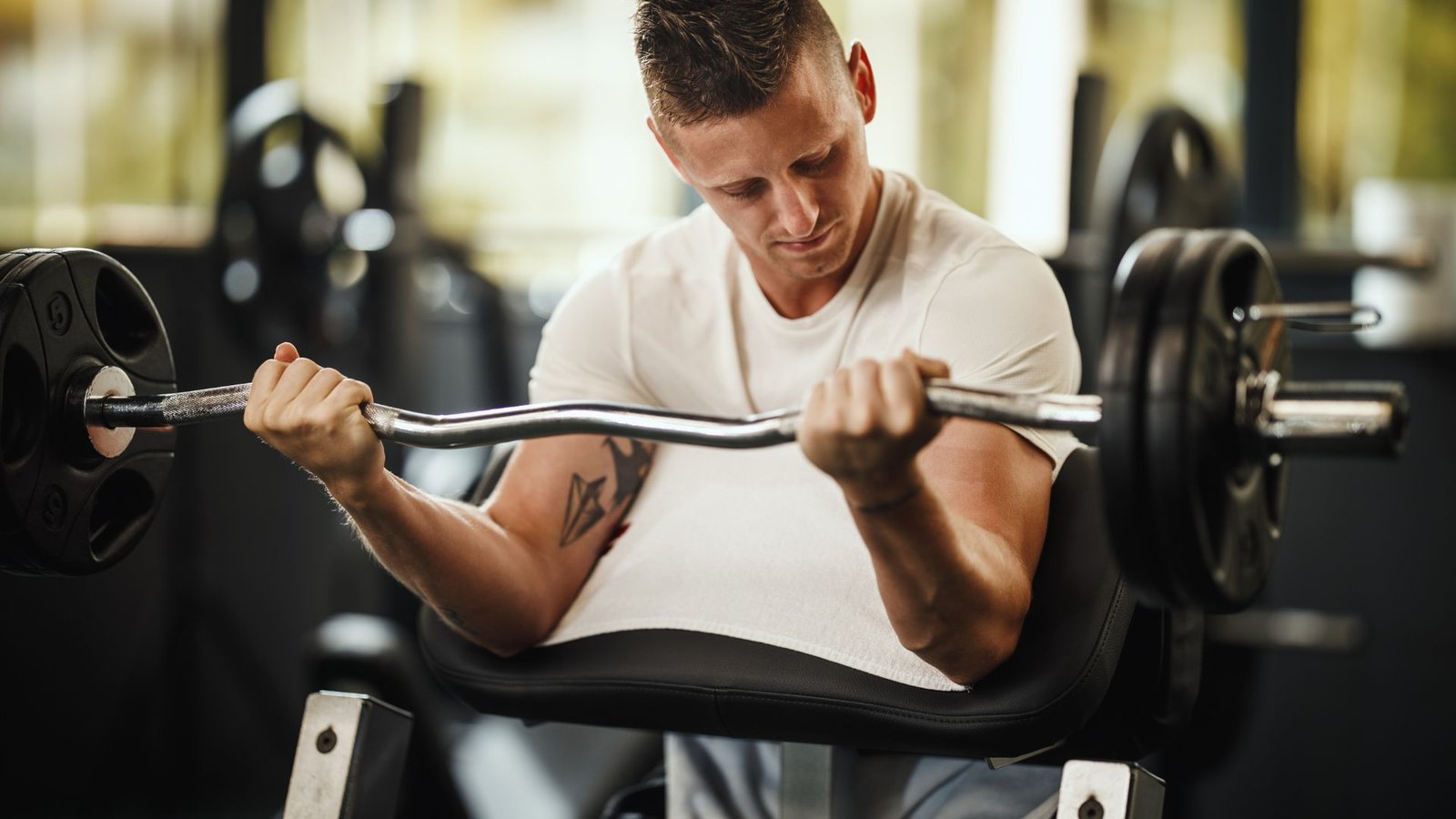
This is different from an isolation exercise, which focuses mainly on one joint and one primary muscle group. A biceps curl is useful, but it mostly trains elbow flexion. A pull-up, on the other hand, trains the back, biceps, shoulders, grip, and trunk control together. Both styles can belong in a good program, but compound movements usually give you more training value per rep.
If you have ever searched “What are compound exercises” or “what are the compound exercises,” the simplest answer is this: they are the big, multi-muscle movements that form the backbone of effective muscle building exercises and total body strength training.
Why compound training deserves a place in your routine
Compound exercises are popular because they solve a common fitness problem: limited time. Most people want to get stronger, build muscle, move better, and improve conditioning, but they do not have endless hours to train. Multi-joint exercises help by involving more muscle in fewer movements.
They also mirror real life. Picking up a box, climbing stairs, pushing a heavy door, carrying groceries, and getting off the floor all require coordinated strength. Compound training improves the patterns your body already uses outside the gym, which makes it valuable for beginners, athletes, and general fitness enthusiasts alike.
Key benefits include:
Efficient muscle recruitment: More muscle groups work at once, helping you train the body with fewer exercises.
Better strength transfer: Movements like squats, hinges, presses, and rows build strength you can use in daily tasks.
Improved coordination: Your muscles learn to stabilize, brace, and move together rather than working in isolation.
Higher training intensity: Because several large muscle groups are involved, many compound lifts allow progressive loading over time.
Stronger core engagement: The trunk often works hard to stabilize the spine and transfer force between the upper and lower body.
How do compound exercises build total body strength?
Compound exercises build total body strength by teaching the body to produce, control, and transfer force through multiple joints at once. When you squat, deadlift, press, row, or lunge, your prime movers create the main action while supporting muscles stabilize your posture and joint position. This combination develops usable strength, not just strength in one isolated muscle.
For example, a deadlift is often described as a lower-body exercise, but it also trains the back, grip, core, and upper-body tension. A bench press focuses on pushing strength, yet it also requires shoulder stability, upper-back tightness, leg drive, and trunk control. This is why compound exercise examples often appear in strength programs before smaller accessory movements.
Another advantage is progression. Many compound lifts can be made easier or harder by changing load, range of motion, tempo, equipment, or body position. A beginner might start with a bodyweight squat, then progress to a goblet squat, then to a barbell squat if appropriate. The movement pattern stays familiar while the challenge grows.
Core compound exercise examples
There is no single official list of “all” compound exercises, because variations exist across bodyweight training, dumbbells, barbells, kettlebells, machines, and resistance bands. Still, if someone asks “what are all the compound exercises,” they are usually looking for the major movement categories. These categories are more useful than memorizing every variation.
Lower-body push movements
Lower-body push exercises train the quads, glutes, hips, and core through knee-dominant patterns. Squats are the classic example, but lunges and step-ups also belong here.
Common examples include:
Back squat
Front squat
Goblet squat
Split squat
Walking lunge
Reverse lunge
Step-up
Leg press
These movements are especially useful for building leg strength, improving balance, and developing the ability to stand, climb, and push through the ground with control.
Hip hinge movements
Hip hinges focus on bending and extending at the hips while keeping the spine controlled. They train the glutes, hamstrings, back, core, and grip, depending on the exercise.
Examples include:
Conventional deadlift
Romanian deadlift
Trap-bar deadlift
Kettlebell swing
Hip thrust
Good morning
Hinge training is important because many people are quad-dominant and underuse the posterior chain. Learning to hinge well can improve lifting mechanics and make lower-body training more balanced.
Upper-body push movements
Upper-body pushing exercises train the chest, shoulders, triceps, and stabilizers of the upper back and trunk. They can be performed horizontally, vertically, or at an incline.
Examples include:
Push-up
Bench press
Dumbbell press
Overhead press
Incline press
Dip
Landmine press
These movements support pressing strength for sports, daily tasks, and general upper-body development. They also require proper shoulder control, not just brute force.
Upper-body pull movements
Pulling exercises train the back, biceps, rear shoulders, grip, and core. They are essential for posture, shoulder balance, and upper-body strength.
Examples include:
Pull-up
Chin-up
Lat pulldown
Barbell row
Dumbbell row
Seated cable row
Inverted row
Face pull with a stable body position
Many people do more pushing than pulling, especially if they spend time at a desk. Adding rows and pull-ups helps balance the shoulders and build a stronger upper back.
Carries and full-body patterns
Loaded carries and certain dynamic movements challenge the entire body. They may look simple, but they demand grip strength, core stability, posture, and controlled breathing.
Examples include:
Farmer’s carry
Suitcase carry
Front-rack carry
Sled push
Turkish get-up
Clean and press
Thruster
These are excellent for full-body workouts because they connect strength with conditioning and coordination.
Strength training basics for better results
The best compound exercises only work well when your training is consistent, appropriate, and progressive. You do not need to max out every session or copy an advanced lifter’s plan. You need a repeatable structure that lets you practice good weightlifting techniques and gradually improve.
A simple approach is to build each workout around movement patterns:
Choose a squat or lunge pattern. This trains lower-body pushing strength.
Add a hip hinge. This develops the glutes, hamstrings, and posterior chain.
Include an upper-body push. Pressing builds chest, shoulder, and triceps strength.
Include an upper-body pull. Rows or pull-ups balance the upper body.
Finish with a carry, core movement, or conditioning piece. This reinforces stability and work capacity.
For beginners, two or three full-body sessions per week can be enough to make steady progress. More experienced lifters may split training by upper and lower body or organize sessions around heavy, moderate, and lighter days. The exact plan matters less than the principles: train major patterns, recover well, and progress gradually.
Technique matters more than chasing weight
Compound movements involve more joints, so technique has a bigger impact on safety and performance. Good form does not mean every person looks identical, because limb length, mobility, experience, and equipment all affect movement. It does mean the exercise should be controlled, purposeful, and matched to your current ability.
Use this checklist before adding more weight:
Can you perform the movement through a comfortable range of motion?
Can you control the lowering phase instead of dropping into position?
Can you brace your core and maintain stable posture?
Can you keep the target muscles engaged without joint pain?
Can you repeat the movement consistently from rep to rep?
Can you stop with one or two good reps left instead of forcing sloppy reps?
If the answer is no, reduce the load, simplify the exercise, or use a variation that fits your body better. A goblet squat may be better than a barbell back squat for one person. A trap-bar deadlift may feel more natural than a conventional deadlift for another. Smart training is not about proving toughness; it is about building capacity over time.
Building full-body workouts around compound lifts
A well-designed full-body workout does not need dozens of exercises. In fact, too many movements can make it harder to focus and progress. A short, balanced session built around compound lifts can train the entire body effectively.
Here is a simple template:
Lower-body strength: Squat or split squat, 3 sets of 5–10 reps
Upper-body push: Push-up or dumbbell press, 3 sets of 6–12 reps
Upper-body pull: Row or pulldown, 3 sets of 8–12 reps
Hip hinge: Romanian deadlift or hip thrust, 2–3 sets of 6–10 reps
Carry or core finisher: Farmer’s carry or plank variation, 2–4 rounds
This structure covers the major movement patterns without overcomplicating the session. It can be adjusted for home training, gym training, fat loss, muscle gain, or general fitness. The key is to choose exercises you can perform well and repeat long enough to see progress.
Common mistakes to avoid
One common mistake is doing too much too soon. Compound exercises can be demanding, especially when they involve heavy weights or high volume. Beginners often benefit from fewer exercises, lighter loads, and more practice rather than constantly changing routines.
Another mistake is ignoring recovery. Because compound lifts train several muscle groups at once, fatigue can build quickly. Sleep, nutrition, rest days, and easier sessions all support progress. Training hard matters, but recovering from that training is where adaptation happens.
Finally, avoid treating isolation exercises as useless. Compound lifts may form the foundation, but isolation movements can still help bring up weak points, add training volume, or work around limitations. A balanced program often uses compound movements first, then smaller exercises as support.
FAQ
What are compound exercises best for?
They are best for building strength, muscle, coordination, and efficient full-body fitness. They are especially useful when you want maximum training value from a limited number of exercises.
Are compound exercises enough to build muscle?
For many people, yes, compound lifts can provide a strong base for muscle growth. Some lifters also add isolation work for specific areas like biceps, side delts, calves, or hamstrings.
Should beginners do compound exercises?
Yes, beginners can do compound exercises when they choose appropriate variations and focus on technique. Bodyweight squats, push-ups, rows, step-ups, and light dumbbell movements are common starting points.
How many compound exercises should be in one workout?
Most people do well with three to five compound movements in a session. The right number depends on experience, intensity, recovery, and training goals.
Do compound exercises burn more calories than isolation exercises?
They often require more total effort because they use more muscle mass, but calorie burn depends on load, pace, rest periods, body size, and overall workout design.
Unlock Maximum Results with Every Rep
Compound exercises are the ultimate shortcut to a stronger, more efficient workout because they target multiple muscle groups at once—burning more calories and building real-world functional strength in half the time. Whether you want to master foundational movements like squats, deadlifts, and bench presses or structure a routine that fits your busy schedule, proper form is essential to maximize your gains and prevent injury. Contact us today to work with our expert fitness coaches, and let’s design a personalized, multi-joint training plan tailored specifically to your goals.