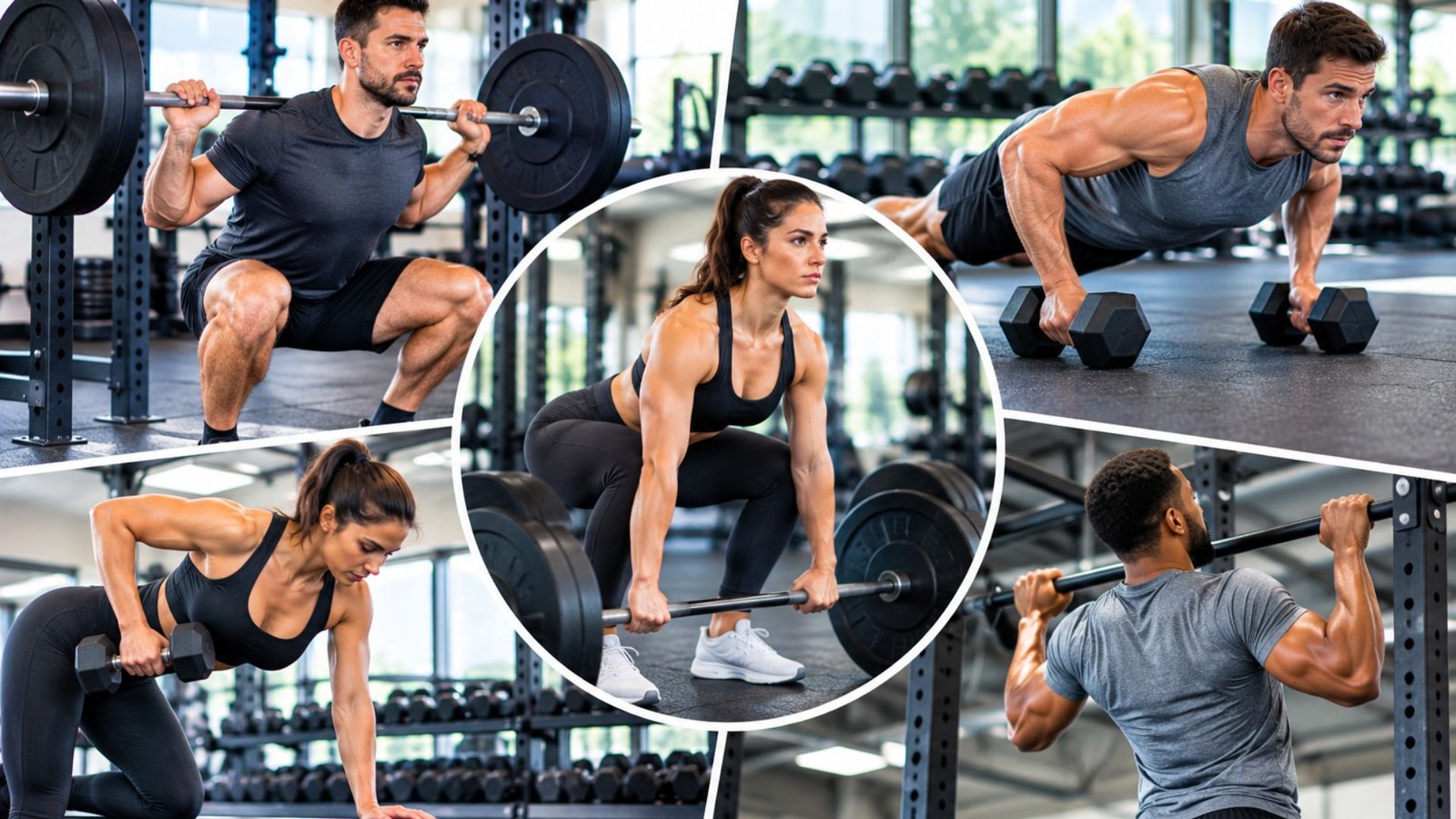
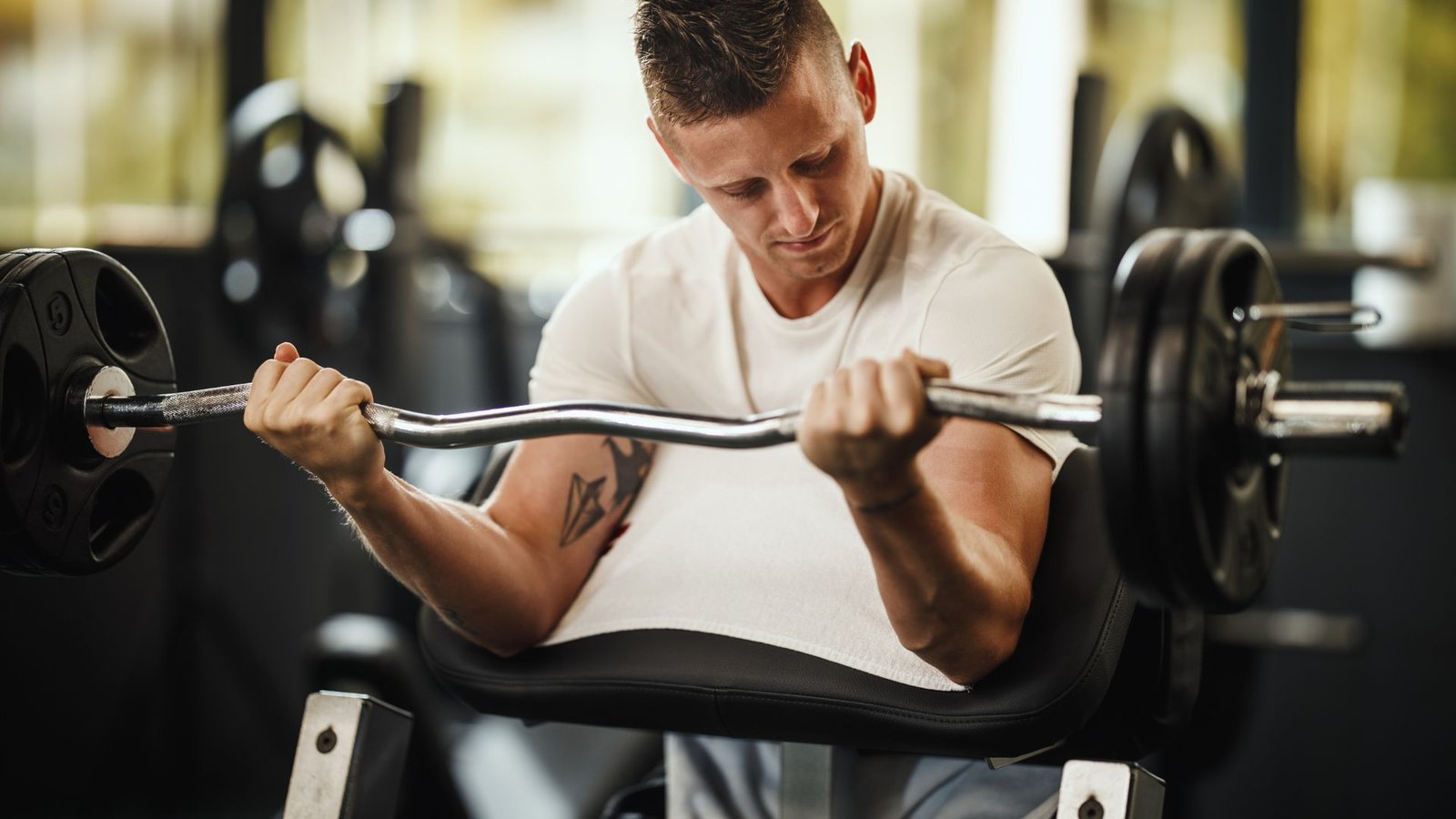
Strength training after age 50 can be safe, practical, and deeply useful when it is matched to your current ability and progressed gradually. For many adults, it supports everyday strength, balance, bone health, and confidence with daily tasks. The goal is not to train like a competitive athlete; it is to build a routine that helps you move better, stay independent, and age with more resilience.
Is strength training safe after age 50 for most people?
Yes, strength training is generally safe after age 50 when you start at an appropriate level, use good technique, and increase difficulty slowly. The CDC recommends that older adults include muscle-strengthening activities at least two days per week, along with aerobic activity and balance work, and the National Institute on Aging advises beginners to begin with lower-intensity exercise and progress steadily.
That does not mean every person should begin with the same workout. If you have chest pain, dizziness, uncontrolled blood pressure, recent surgery, unexplained shortness of breath, severe joint pain, or a significant medical condition, it is wise to speak with a healthcare professional before starting or changing your routine. Safety is not about avoiding effort completely; it is about choosing the right amount of effort for where you are today.
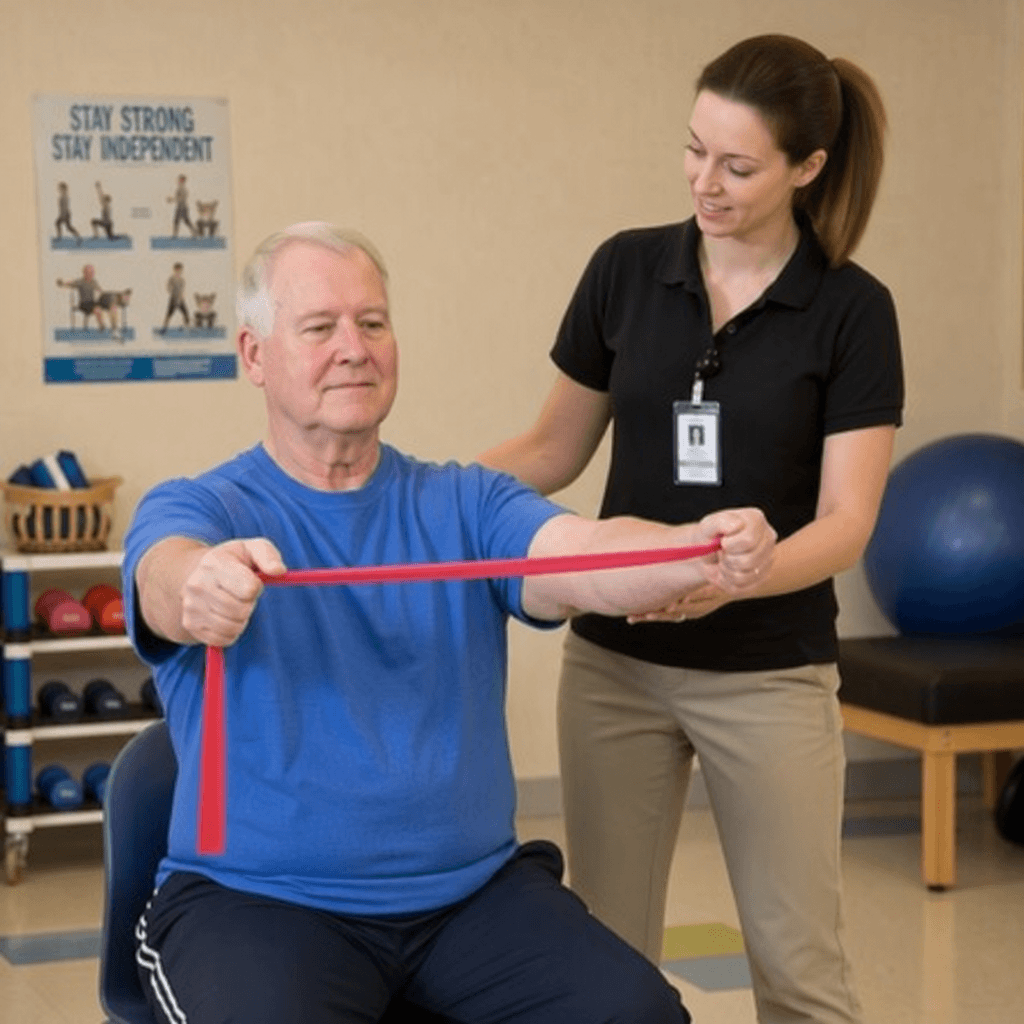
For many people, senior strength training starts with simple movements: standing from a chair, pushing against a wall, carrying light objects, using resistance bands, or practicing supported balance. These exercises may look modest, but they train the same real-world abilities you use to climb stairs, lift groceries, get up from the floor, and protect yourself from falls.
Why muscle matters more as you age
Muscle is not just about appearance. It is closely tied to mobility, posture, balance, metabolism, and the ability to handle daily life without needing help for every physical task. The National Institute on Aging notes that muscle-strengthening exercise helps maintain strength, slow muscle loss, and support fall prevention.
After 50, many adults notice that tasks that once felt automatic require more effort. Getting out of a low chair, carrying luggage, gardening, or walking up a hill can feel harder if muscle and power decline. Strength training gives your body a reason to preserve and rebuild capacity instead of gradually adapting to doing less.
Healthy aging fitness is often framed as “staying active,” but activity alone may not challenge muscles enough. Walking, cycling, swimming, and dancing are excellent, yet they do not always provide the progressive resistance needed to maintain strength in the legs, hips, back, chest, shoulders, arms, and core. A balanced plan includes both movement for endurance and resistance work for strength.
Strength training vs cardio for muscle loss after age 50
When comparing strength training vs cardio for muscle loss after age 50, the clearest answer is that both matter, but they do different jobs. Cardio improves endurance and heart-lung fitness, while strength training directly challenges muscles to produce force and adapt. Older adult physical activity guidance commonly includes aerobic, muscle-strengthening, and balance activities because each supports a different part of long-term function.
Cardio helps you walk farther, handle stairs with less breathlessness, and support cardiovascular health. Strength training helps you rise from chairs, stabilize joints, carry loads, and maintain the muscle needed for daily independence. If you only do cardio, you may become more aerobically fit without fully addressing age-related strength loss.
A practical weekly routine might include brisk walking or another aerobic activity on several days, strength training two or three days, and short balance or mobility work most days. This does not have to mean long gym sessions. Ten to 30 focused minutes can be meaningful when the exercises are consistent and appropriate.
Safe ways to begin strength training after age 50
The safest plan is usually simple, repeatable, and slightly easier than your ego wants it to be. Your first few weeks should teach your body the movements, help you notice how you recover, and build confidence. The National Institute on Aging recommends starting gradually and choosing activities that fit your current fitness level.
Use this beginner-friendly checklist:
Start with two days per week. Leave at least one day between sessions at first so your muscles and joints can recover.
Train major movement patterns. Include a squat or chair stand, a hip hinge such as a supported deadlift pattern, a push, a pull, a carry, and a core or balance exercise.
Keep the effort moderate. You should feel challenged, but you should not grind through pain, hold your breath, or lose control of the movement.
Use support when needed. A wall, chair, rail, trainer, or stable countertop can make exercises safer while you build balance.
Progress one variable at a time. Add a few repetitions, a little resistance, or an extra set, but avoid changing everything at once.
Track how you feel afterward. Mild muscle soreness can be normal; sharp pain, joint swelling, or symptoms that worsen are signs to adjust or seek guidance.
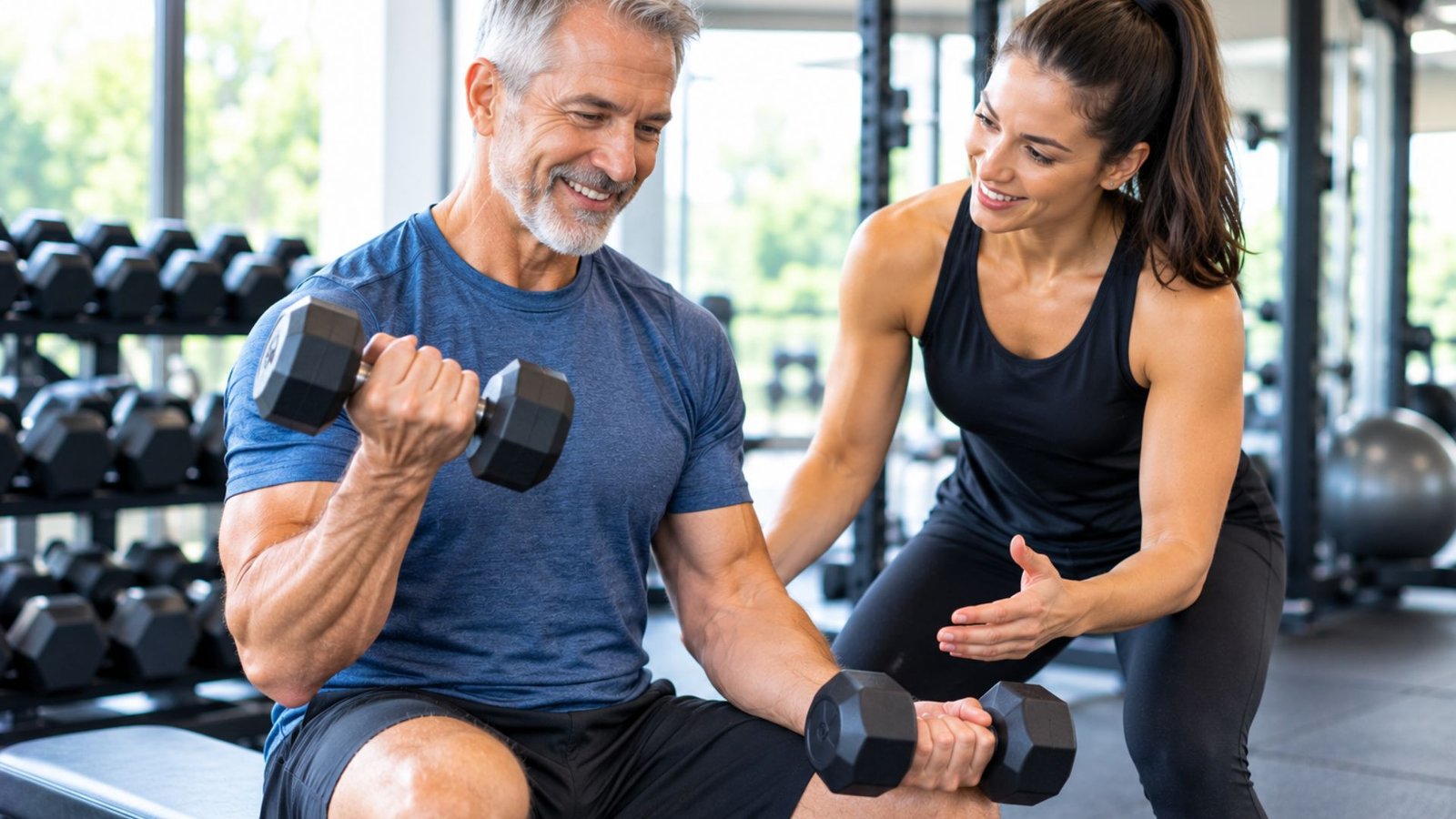
Good form matters more than impressive weight. Move with control, breathe steadily, and stop a set when your technique begins to break down. If you are unsure whether you are moving well, consider working with a qualified fitness professional who has experience with fitness over 50.
Exercises that fit real life
The best program is one you can keep doing. You do not need complicated machines or advanced exercises to get started. Many people begin with body weight, bands, light dumbbells, household items, or gym machines that guide the movement.
A simple full-body session could include:
Chair stands to build leg and hip strength for getting up and down.
Wall or countertop push-ups to train the chest, shoulders, and arms without dropping to the floor.
Resistance band rows to strengthen the upper back and support posture.
Step-ups or supported split squats to improve single-leg control for stairs and curbs.
Farmer carries with light weights or bags to train grip, posture, and core stability.
Heel raises and balance holds to support ankle strength and steadiness.
Begin with one or two sets of each exercise. Choose a repetition range that feels controlled, such as 8 to 12 repetitions, or use time-based sets of 20 to 40 seconds. Federal physical activity guidance notes that one set of 8 to 12 repetitions can be effective for strength, while additional sets may provide more benefit for some people.
What warning signs should you not ignore?
You should stop exercising and seek medical advice if you experience chest pressure, faintness, severe shortness of breath, sudden weakness, unusual heart rhythm symptoms, sharp joint pain, or pain that changes your gait. Normal effort may feel warm, tiring, and challenging; unsafe effort often feels sudden, alarming, or wrong.
Joint discomfort deserves attention, especially if you have arthritis or an old injury. Strength training can often be modified with a shorter range of motion, slower tempo, lighter resistance, different equipment, or a more supported body position. Pain is not a badge of honor, and pushing through it is not required for progress.
Recovery is another safety signal. If you are exhausted for days, sleeping poorly, or feeling weaker each session, your plan may be too aggressive. Fitness over 50 improves best when training, nutrition, sleep, hydration, and recovery all work together.
Consistency beats intensity
The most effective strength plan is rarely the most dramatic one. It is the one you can repeat through busy weeks, travel, changing energy levels, and occasional aches. Two steady sessions per week for months will usually do more for healthy aging fitness than a demanding plan you abandon after two weeks.
Make the habit easier by connecting it to something you already do. Train after a morning walk, before lunch, or on the same days each week. Keep bands or light weights visible. Write down your exercises so you are not reinventing the workout every time.
Progress should feel like a slow climb. Over time, the chair feels higher, the grocery bag feels lighter, the stairs feel less intimidating, and your balance feels more trustworthy. Those everyday wins are the real point of strength training after age 50.
Reclaim Your Strength—Safely and Confidently
Strength training after age 50 isn’t just safe; when done correctly, it is the most effective way to protect your joints, restore bone density, and preserve your daily energy. You don’t have to navigate your fitness journey alone or risk injury with generic routines. Contact us today to speak with our certified senior fitness specialists, and let’s design a customized, joint-friendly training program tailored specifically to your body and goals.