Finding the right local trainer is about more than choosing the closest gym or the first search result. If you are comparing options for personal training near me, this page will help you understand what to look for, what to ask, and how to choose support that fits your goals, schedule, and current fitness level. A strong personal fitness trainer should make training feel clear, structured, and realistic—not confusing or intimidating.
What should you look for in a personal trainer near you?
The best personal trainer near me is the one who can match safe coaching, practical programming, and consistent accountability with your actual life. Look for someone who asks about your goals, training history, injuries, schedule, and preferences before recommending a plan. A good trainer should be able to explain why each workout matters, how progress will be tracked, and what you can do between sessions to keep moving forward.
When you search for a fitness coach near me, pay attention to fit as much as credentials or location. Some people need weight loss support, some want strength training, some want better mobility, and others simply need help building a routine they can maintain. The right coach will not offer a one-size-fits-all answer before learning what you need.
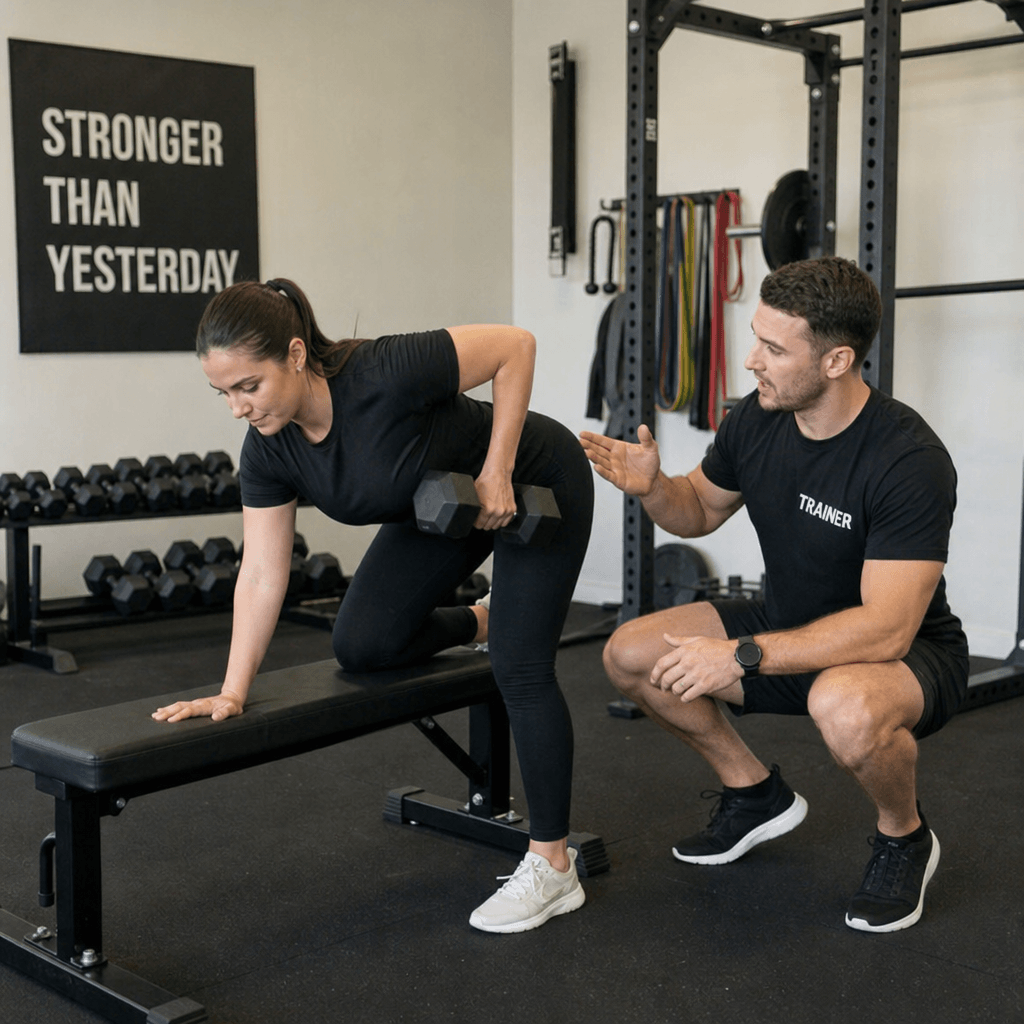
A local trainer should make your plan easier to follow
Personal training works best when it removes guesswork. Instead of walking into a gym unsure what to do, you have a session plan, coaching cues, and a clear next step. That structure can be especially helpful if you have started and stopped fitness routines before, feel unsure around equipment, or want to train efficiently without wasting time.
A local personal fitness trainer can also help you build confidence in the environment where you will actually work out. If you are considering the best gym with personal trainer near me, ask whether training happens on the main gym floor, in a private studio, outdoors, virtually, or through a hybrid setup. The right setting is the one you can attend consistently and feel comfortable using.
A strong training plan may include:
Goal assessment: A conversation about what you want to change, improve, or maintain.
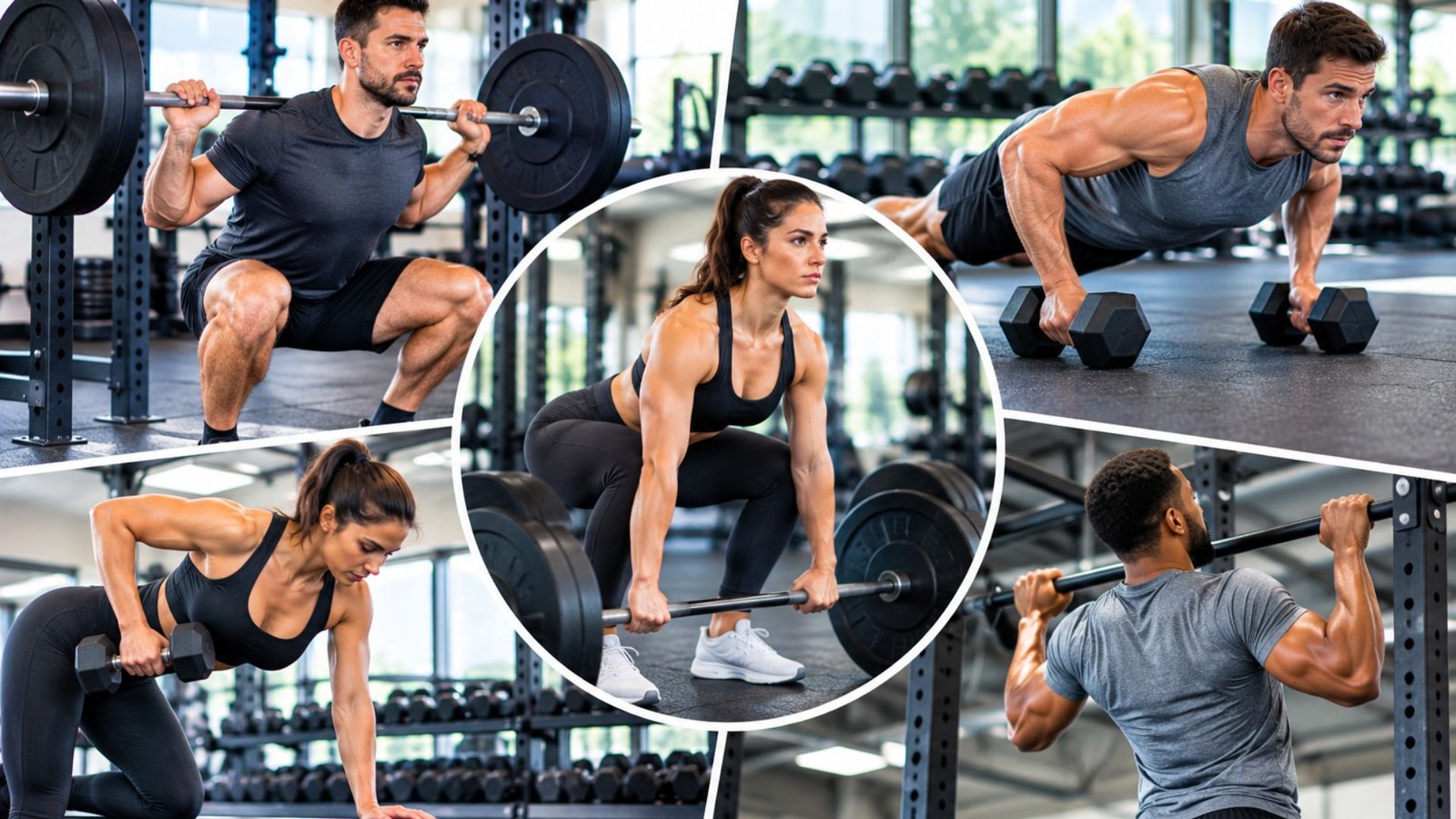
Movement screening: A practical look at how you squat, hinge, push, pull, balance, and move.
Progressive workouts: Sessions that become more challenging over time without jumping too far too fast.
Technique coaching: Real-time feedback so exercises feel safer, stronger, and more effective.
Accountability: Scheduled check-ins that help you stay consistent when motivation dips.
Lifestyle guidance: Basic support around recovery, steps, sleep, and nutrition habits when appropriate.
Signs you have found a good fit
A trainer should listen first and coach second. If you mention knee discomfort, a busy work schedule, limited gym experience, or a history of inconsistency, those details should shape the plan. The best personal fitness trainer near me will not make you feel like you have to be fit before you begin.
You should also feel comfortable asking questions. Good coaching includes education, not just counting reps. Over time, you should understand what exercises you are doing, what muscles they target, how hard the session should feel, and how your plan connects to your goal.
Use this checklist when comparing local trainers:
They explain their training approach in plain language.
They ask about injuries, limitations, and medical considerations before intense exercise.
They personalize workouts instead of repeating the same session for every client.
They offer realistic expectations about progress and consistency.
They communicate clearly about scheduling, cancellations, and session format.
They can adapt exercises if a movement feels painful, awkward, or too advanced.
They encourage sustainable habits rather than extreme routines.
Personal training options for different goals
People search for personal training near me for many reasons, and each goal may require a different coaching style. A beginner might need help learning basic movement patterns and building confidence. Someone returning after time away may need a gradual plan that rebuilds strength without overdoing it. A busy professional may need short, focused workouts that make the most of limited time.
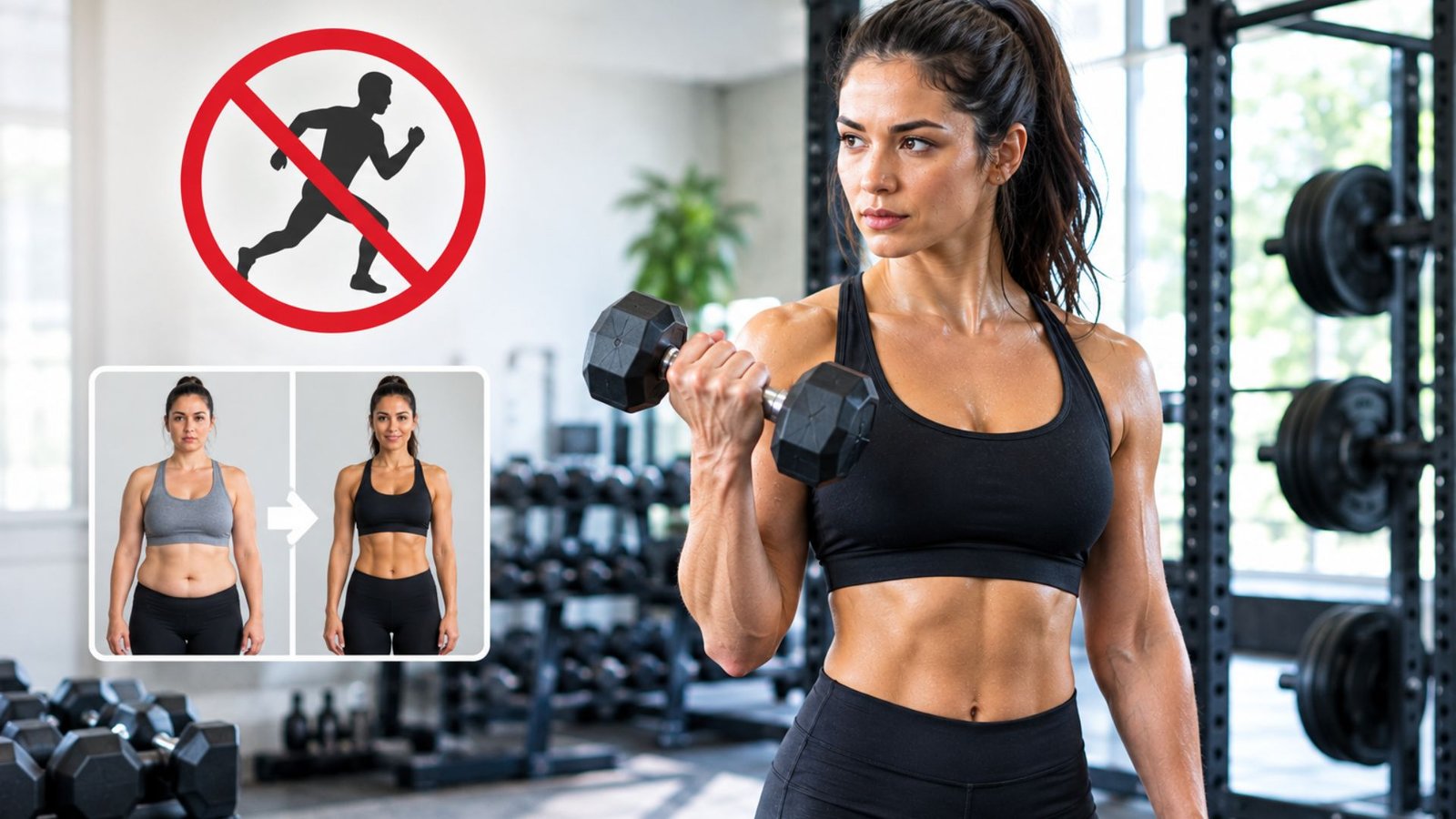
If your goal is weight loss, training should combine strength work, conditioning, and realistic nutrition habits. If your goal is muscle gain, your plan should include progressive resistance training and enough recovery. If your goal is general health, your sessions may focus on full-body strength, mobility, balance, and consistency.
Common reasons to work with a personal fitness trainer include:
You want a clear plan. Instead of guessing which exercises to do, you follow a program built around your goals.
You need accountability. Appointments and check-ins can help you keep going when life gets busy.
You are new to training. Coaching can make equipment, form, and gym etiquette feel less overwhelming.
You have hit a plateau. A trainer can adjust intensity, volume, exercise selection, or recovery habits.
You want safer workouts. Proper technique and smart progressions help reduce unnecessary strain.
You want better long-term habits. Training becomes part of a lifestyle instead of a short burst of effort.
How to compare local trainers and gyms
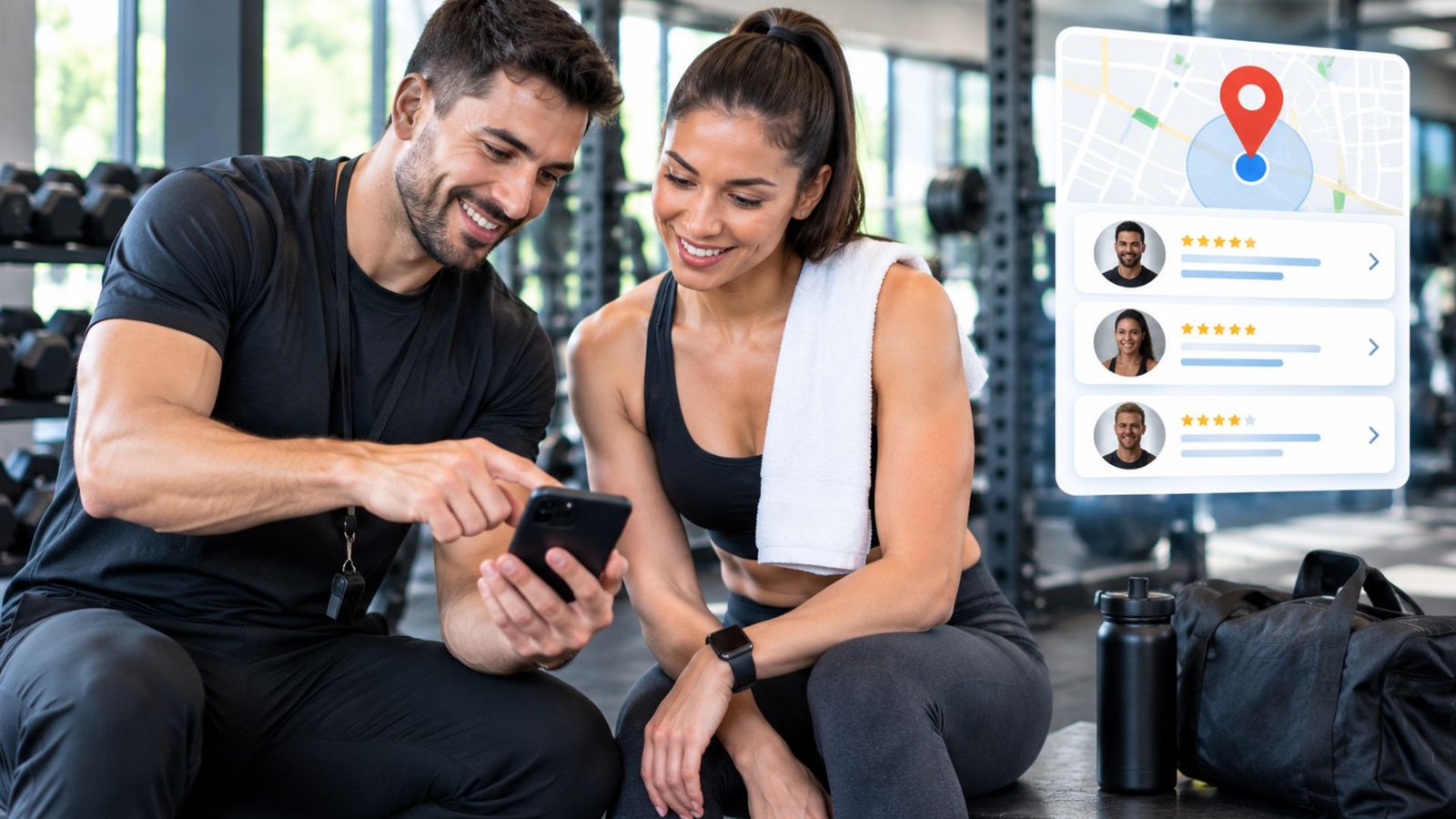
Searching for the best gym with personal trainer near me can bring up many choices, from large fitness centers to boutique studios and independent coaches. Start by deciding what matters most: convenience, privacy, equipment, coaching style, budget, or session availability. A beautiful facility will not help much if the schedule does not work for you, and the lowest price may not be the best value if the plan is not personalized.
Before you book, gather a few important details. You do not need to interrogate anyone, but you should feel informed before committing your time and money.
Ask about:
Session length and frequency: How often will you train, and how long are sessions?
Program design: Is there a plan outside the individual workout, or is each session created on the spot?
Experience with your goal: Has the trainer worked with clients who want similar outcomes?
Nutrition support: Do they offer habit-based guidance, meal structure, or referrals when needed?
Progress tracking: Will they monitor strength, measurements, performance, consistency, or other markers?
Location and access: Is the gym, studio, or training space easy enough to reach every week?
Communication: Can you ask questions between sessions, and how are updates handled?
Your first session should feel organized, not overwhelming
A first session with a fitness coach near me should usually include conversation, assessment, and a manageable workout. You may talk through your goals, current routine, past injuries, food habits, stress, sleep, and what has or has not worked before. The trainer may observe basic movements to understand your starting point and choose exercises that fit your ability.
You should not leave feeling embarrassed, pushed past your limits, or confused about what comes next. A helpful first session gives you a sense of the coach’s communication style and whether the plan feels realistic. You may still work hard, but the session should feel purposeful rather than random.
To prepare for your first appointment, bring or consider:
Comfortable workout clothes and supportive shoes.
A water bottle and any personal training gear you already use.
A brief list of injuries, limitations, or exercises that bother you.
Your main goal, even if it is simple, such as “lose weight,” “get stronger,” or “feel consistent.”
Your weekly availability so the trainer can suggest a realistic schedule.
Questions about nutrition, recovery, and what to do between sessions.
Local personal training should support sustainable progress
The most effective training plan is one you can repeat. Extreme workouts, overly restrictive diets, and unrealistic schedules may create short-term intensity, but they often do not last. A good personal fitness trainer helps you build a routine that can survive busy weeks, travel, family obligations, and normal changes in motivation.
That does not mean the workouts should be easy. It means the challenge should be appropriate and progressive. Over time, you may lift more weight, complete more reps, move with better control, improve conditioning, or feel more confident walking into the gym. Those are signs that the plan is doing its job.
Common questions about choosing a trainer
How do I know if a personal trainer is right for me?
A trainer may be right for you if they listen carefully, explain the plan clearly, and adapt workouts to your goal and ability. You should feel coached, not judged. If you leave the consultation understanding the next steps, that is a positive sign.
Is personal training only for beginners?
No. Beginners often benefit from learning form and building confidence, but experienced exercisers can also use coaching to break plateaus, improve technique, or train for a specific goal. The value is in having a plan that fits your current level.
How often should I meet with a trainer?
That depends on your goals, budget, schedule, and how much support you want. Some people train with a coach several times per week, while others meet less often and follow assigned workouts independently. Consistency matters more than choosing an aggressive schedule you cannot maintain.
Should I choose a gym trainer or an independent fitness coach?
Both can work well. A gym trainer may offer convenient access to equipment, while an independent coach may offer a different setting or more flexible programming. Choose the option that gives you quality coaching, clear communication, and a realistic path to showing up regularly.
Start with a plan that fits your life
If you are searching for the best personal trainer near me, start by choosing support that feels personal, practical, and sustainable. The right coach can help you train with purpose, understand your workouts, and build habits that last beyond a few motivated weeks.
Ready to take the next step? Look for personalized nutrition and training plans that match your body, schedule, preferences, and goals. Sustainable weight loss does not require extreme restrictions or punishing workouts; it requires a clear plan, steady support, and changes you can keep. Start with coaching that helps you eat better, train smarter, and move toward results in a way that fits real life.