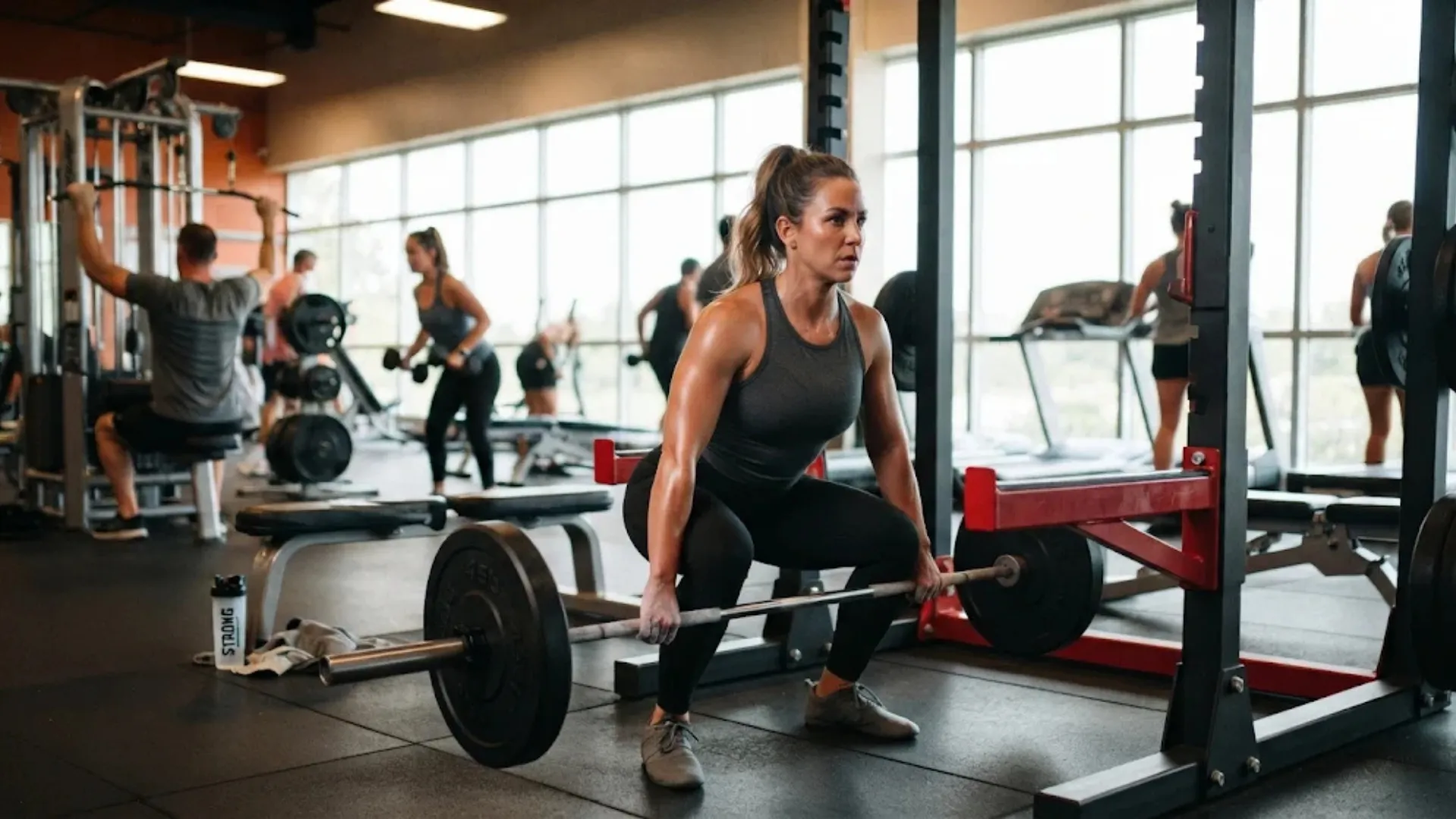
Losing weight often brings to mind long cardio sessions, strict diets, and hours spent on a treadmill. However, strength training can also play an important role in helping you reach your weight loss goals. Lifting weights, using resistance bands, or performing bodyweight exercises can help you build muscle, maintain strength, and improve your overall body composition.
So, can strength training help you lose weight? Yes. When combined with balanced nutrition and regular physical activity, strength training can help reduce body fat while protecting the muscle you want to keep.
For adults in Lakeland, Florida, who want a practical approach to weight loss, a well-planned strength routine can be an effective place to start.
How Does Strength Training Help With Weight Loss?
Strength training supports weight loss in several ways. Although it may not burn as many calories during a single session as some forms of cardio, its benefits go beyond the calories used during exercise.
1. Helps Build and Maintain Muscle
When you lose weight, your body can lose both fat and muscle. Losing too much muscle may affect your strength and make it harder to maintain your results.
Strength training challenges your muscles and helps preserve lean muscle mass while you’re losing weight. It can also help beginners build muscle, particularly when they follow a consistent program.
This matters because your goal should be to reduce excess body fat while maintaining a strong, capable body.
2. Supports Your Metabolism
Muscle tissue uses energy, even when you’re resting. Building and maintaining muscle can contribute to your daily energy needs, although the increase in calories burned at rest is generally modest.
The bigger benefit is that strength training helps you maintain muscle during weight loss. This can make it easier to maintain a healthier body composition as your weight changes.
3. Burns Calories During Exercise
Every strength training session requires energy. Your body uses calories to perform repetitions, stabilize your joints, and recover between sets.
Exercises that involve several muscle groups, such as squats, lunges, rows, and deadlifts, can make your workout more physically demanding.
If you’d like to understand this benefit in more detail, read our guide on Does Lifting Weights Burn Calories?.
4. Improves Body Composition
The number on the scale doesn’t tell the whole story. Two people can weigh the same but have different amounts of muscle and body fat.
Strength training helps you work toward a healthier body composition by building or maintaining muscle while reducing body fat through an overall calorie deficit.
You may notice improvements in strength, measurements, clothing fit, and physical performance even when your weight changes slowly.
What Are the Best Strength Training Exercises for Weight Loss?
You don’t need complicated equipment or an advanced workout routine to get started. Focus on exercises that target major muscle groups and match your current fitness level.
Here are some useful movements to include:
Squats
Squats work your quadriceps, glutes, hamstrings, and core. They also help develop the lower-body strength needed for everyday activities such as standing, sitting, and climbing stairs.
Lunges
Lunges strengthen your legs and glutes while challenging your balance and coordination. Beginners can start with supported or stationary lunges before progressing to more difficult variations.
Push-Ups
Push-ups work your chest, shoulders, triceps, and core. If regular push-ups are too difficult, try wall push-ups or incline push-ups using a stable elevated surface.
Rows
Rows target your back and arm muscles. You can perform them with dumbbells, resistance bands, or a suitable gym machine.
Deadlifts
Deadlift variations strengthen your glutes, hamstrings, back, and core. Start with a manageable resistance and learn the correct movement pattern before increasing the weight.
These exercises are examples of compound movements because they involve multiple joints and muscle groups. For more ideas, explore our article on What Are Compound Exercises?.
How Often Should You Strength Train to Lose Weight?
For most beginners, strength training two or three days per week is a reasonable starting point. This gives your muscles time to recover between sessions while allowing you to build a consistent exercise habit.
Here’s an example of a weekly routine:
| Day | Activity |
|---|---|
| Monday | Full-body strength training |
| Tuesday | Brisk walking or light cardio |
| Wednesday | Rest or gentle mobility work |
| Thursday | Full-body strength training |
| Friday | Walking, cycling, or swimming |
| Saturday | Optional strength or recreational activity |
| Sunday | Rest and recovery |
You can adjust this schedule based on your experience, available time, and recovery needs. If you’re new to exercise, begin with shorter sessions and gradually increase the workload.
Consistency matters more than trying to train hard every day.
Is Strength Training Better Than Cardio for Weight Loss?
Both strength training and cardio can help with weight management, but they offer different benefits.
Cardio activities such as walking, cycling, swimming, and jogging increase your energy expenditure and support cardiovascular fitness. Strength training helps build and preserve muscle while improving strength and body composition.
You don’t have to choose one over the other. Combining both can give you a more balanced fitness routine.
For example, you might strength train three days per week and take brisk walks on the days between workouts.
If you prefer to focus on resistance training, you can also read Can You Lose Body Fat Without Doing Cardio?.
What Should You Eat While Strength Training for Weight Loss?
Exercise is only one part of a successful weight loss plan. Your eating habits also influence how your body responds to training.
You don’t need to follow an extreme diet. Instead, focus on making manageable changes that support your energy levels and recovery.
Consider these habits:
Eat enough protein: Include foods such as eggs, fish, chicken, lean meat, beans, tofu, or Greek yogurt to support muscle maintenance and recovery.
Choose fiber-rich foods: Vegetables, fruits, oats, and whole grains can help you feel satisfied.
Watch portion sizes: Eating balanced portions can help you maintain a calorie deficit without feeling overly restricted.
Stay hydrated: Drink enough water throughout the day, especially before and after exercise.
Avoid crash diets: Severely restricting food can leave you tired, hungry, and less able to perform your workouts.
The goal is to create eating habits you can maintain while continuing to build strength.

Common Strength Training Mistakes to Avoid
If weight loss is your goal, avoid these common mistakes:
Lifting too heavy too soon: Start with resistance you can control while maintaining proper technique.
Ignoring recovery: Your muscles need time to recover between challenging workouts.
Expecting immediate results: Changes in body composition take time and depend on several factors.
Focusing only on the scale: Track improvements in strength, measurements, energy, and how your clothes fit.
Ignoring nutrition: Even regular workouts may not lead to weight loss if your overall calorie intake consistently exceeds your energy needs.
A realistic plan that you can follow for months is usually more helpful than an intense routine you can only maintain for a few weeks.
Frequently Asked Questions
Can I lose weight by strength training alone?
Yes, strength training can contribute to weight loss, especially when paired with a sustainable calorie deficit. Adding regular walking or other cardio activities can provide additional health and fitness benefits.
How long does it take to see weight loss from strength training?
Results vary depending on your starting point, nutrition, activity level, and consistency. You may notice improvements in strength within a few weeks, while visible changes in body composition can take longer.
Will lifting weights make me bulky?
Not necessarily. Building significant muscle size takes consistent training, time, and appropriate nutrition. For most people pursuing weight loss, strength training helps maintain muscle and develop a stronger, firmer appearance.
Should I do cardio before or after strength training?
It depends on your priorities. If building strength is your main focus, perform strength exercises first while you have more energy. You can then finish with moderate cardio if time and recovery allow.
Is strength training suitable for beginners who want to lose weight?
Yes. Beginners can start with bodyweight exercises, resistance bands, or light weights. A suitable program should match their fitness level and gradually become more challenging as they improve.
Start Losing Weight With a Strength Training Plan That Fits Your Goals
Strength training can help you lose weight by supporting muscle maintenance, improving body composition, and increasing the energy your body uses during exercise. When combined with balanced nutrition, regular movement, and enough recovery, it can become an important part of a sustainable weight loss routine.
You don’t need to start with heavy weights or complicated workouts. Begin with exercises you can perform safely, follow a realistic schedule, and build your strength over time.
At Lakeland Personal Training, you can work toward your fitness goals with a personalized approach that considers your current ability, schedule, and weight loss needs. Whether you’re new to strength training or looking to improve your existing routine, the right guidance can help you stay consistent and make steady progress.
Ready to get started? Contact Lakeland Personal Training today to take the next step toward a stronger, healthier you.