Starting a fitness journey can feel exciting until you actually have to figure out what to do. Which exercises should you try? How much weight should you lift? How often should you work out? And how can you tell whether you’re doing an exercise correctly?
If these questions sound familiar, you’re not alone. Many beginners want to become stronger, lose weight, or improve their health but feel overwhelmed by conflicting fitness advice and complicated workout routines.
Is personal training good for beginners? Absolutely. Working with a qualified personal trainer can help you learn proper exercise techniques, follow a structured workout plan, and build confidence at a pace that suits your current ability. You don’t need to be fit before you begin. You simply need a starting point and a plan you can maintain.
For adults in Lakeland, Florida, personal training can make getting started more manageable by turning a broad fitness goal into clear, practical steps.
Why Is Personal Training Good for Beginners?
Personal training gives beginners something that random workouts often lack: direction. Instead of copying exercises from social media or guessing which machines to use, you have a program designed around your goals, experience, schedule, and physical abilities.
Here are some of the biggest advantages.
1. You Learn Proper Exercise Form
One of the most valuable things a beginner can learn is how to perform exercises correctly. Good technique helps you target the intended muscles, move with control, and avoid unnecessary strain.
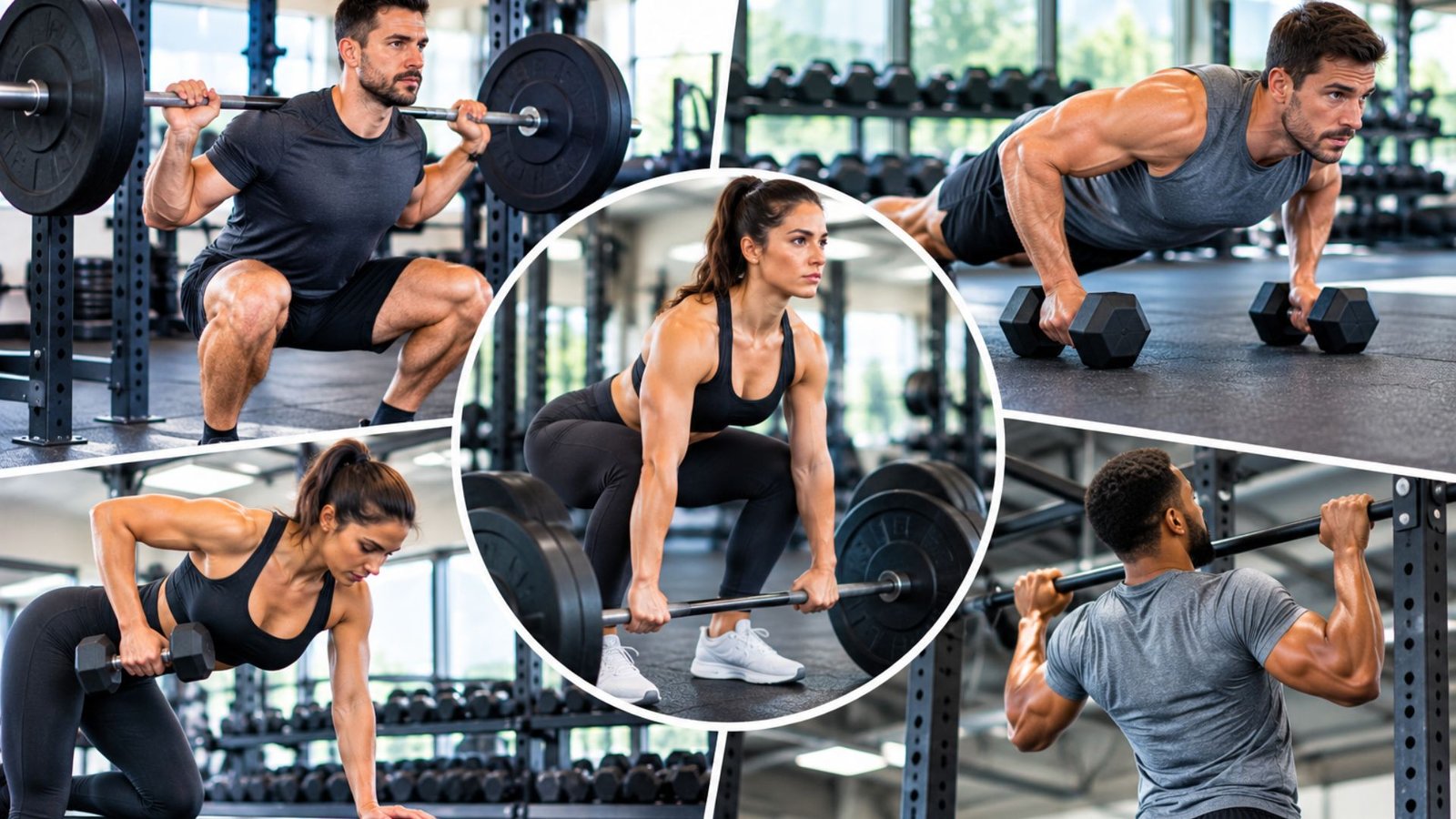
A personal trainer can demonstrate movements, explain what to focus on, and correct your form as you practice. For example, you might learn how to squat comfortably, perform a dumbbell row, or adjust a machine to fit your body.
You can also read our guide on how to prevent injuries while lifting weights for more practical advice on training safely.
2. Your Workout Matches Your Current Fitness Level
Beginners don’t need advanced exercises or exhausting workouts to make progress. Starting with too much intensity can leave you overly sore, discouraged, or struggling to keep up with your routine.
A trainer can begin with manageable exercises and gradually increase the challenge as your strength and endurance improve. If a movement feels uncomfortable or difficult, they can adjust the weight, range of motion, or exercise variation.
This personalized approach is especially helpful if you’re returning to exercise after a long break, have limited mobility, or need to work around a physical limitation.
3. You Have a Clear Plan to Follow
When every workout is different, it’s difficult to know whether you’re improving. A structured program gives you a consistent routine and a way to measure progress.
Your trainer may track how many repetitions you complete, how much weight you lift, how your technique improves, or how easily you perform everyday activities.
For more guidance, explore our article on what makes the best strength training program. A good program should fit your needs and provide a realistic path toward your goals.
4. You Get Accountability and Encouragement
Motivation naturally changes from week to week. Work, family responsibilities, and unexpected events can make it difficult to stick to a new habit.
Scheduled training sessions create a commitment, while a supportive trainer can help you work through setbacks without making you feel guilty for missing a workout or progressing more slowly than expected.
You also have someone who can recognize improvements you might overlook, such as better balance, stronger lifts, improved stamina, or greater confidence.
5. You Can Work Toward Your Specific Goals
Not every beginner wants the same result. You might want to lose body fat, build muscle, improve your energy, or simply feel more comfortable being physically active.
A personal trainer can adjust your exercise selection and weekly schedule to match your priorities. If weight loss is your goal, for example, strength training can be combined with walking, other cardiovascular activities, and sustainable eating habits.
Our article, Does Lifting Weights Burn Calories?, explains how resistance training fits into a broader approach to managing body weight.
What Happens During Your First Personal Training Session?
Your first session should help you understand where you’re starting and what to work on next. You shouldn’t be expected to know gym terminology, understand every piece of equipment, or complete an advanced workout.
A typical beginner session may include:
A conversation about your goals: Discuss what you want to achieve, how much time you have, and what has made exercise difficult in the past.
A review of your exercise history: Share any injuries, health concerns, or movements that cause discomfort.
A basic movement assessment: Your trainer may observe simple movements to understand your balance, mobility, and current ability.
A manageable workout: Practice a few suitable exercises with guidance on technique, resistance, and rest periods.
A plan for next steps: Discuss how often to train and what you can do between sessions.
The goal is to leave with a better understanding of your fitness journey—not feeling embarrassed or pressured to do more than you can handle.
How Often Should Beginners Work With a Personal Trainer?
For many beginners, two or three full-body strength sessions per week can be a practical starting point, provided the intensity and exercises suit their abilities. However, the ideal schedule depends on your health, recovery, availability, and goals.
You don’t necessarily need to meet with a trainer every day. Depending on your budget and how much independent exercise you can manage, you might choose regular coached sessions or meet periodically to review technique and update your program.
Between workouts, allow time for recovery. Walking, gentle movement, adequate sleep, and balanced meals can support your progress without making every day feel like a demanding workout.
The most effective schedule is one you can follow consistently. Start with a realistic commitment, then adjust as your confidence and fitness improve.
Can Beginners See Results With Personal Training?
Yes, beginners can make meaningful progress with consistent training, although the timeline varies from person to person.
During the first few weeks, you may notice that exercises feel easier, your coordination improves, or you can complete more repetitions with better technique. Visible changes in muscle definition or body composition often take longer and depend on your training, nutrition, recovery, and starting point.
Rather than judging success only by the number on a scale, track several indicators:
Are you getting stronger?
Can you perform exercises with better control?
Do you have more energy for daily activities?
Are you becoming more consistent with your workouts?
Are you moving closer to your original goal?
These improvements matter because they show that you’re building habits and abilities that can support long-term health.
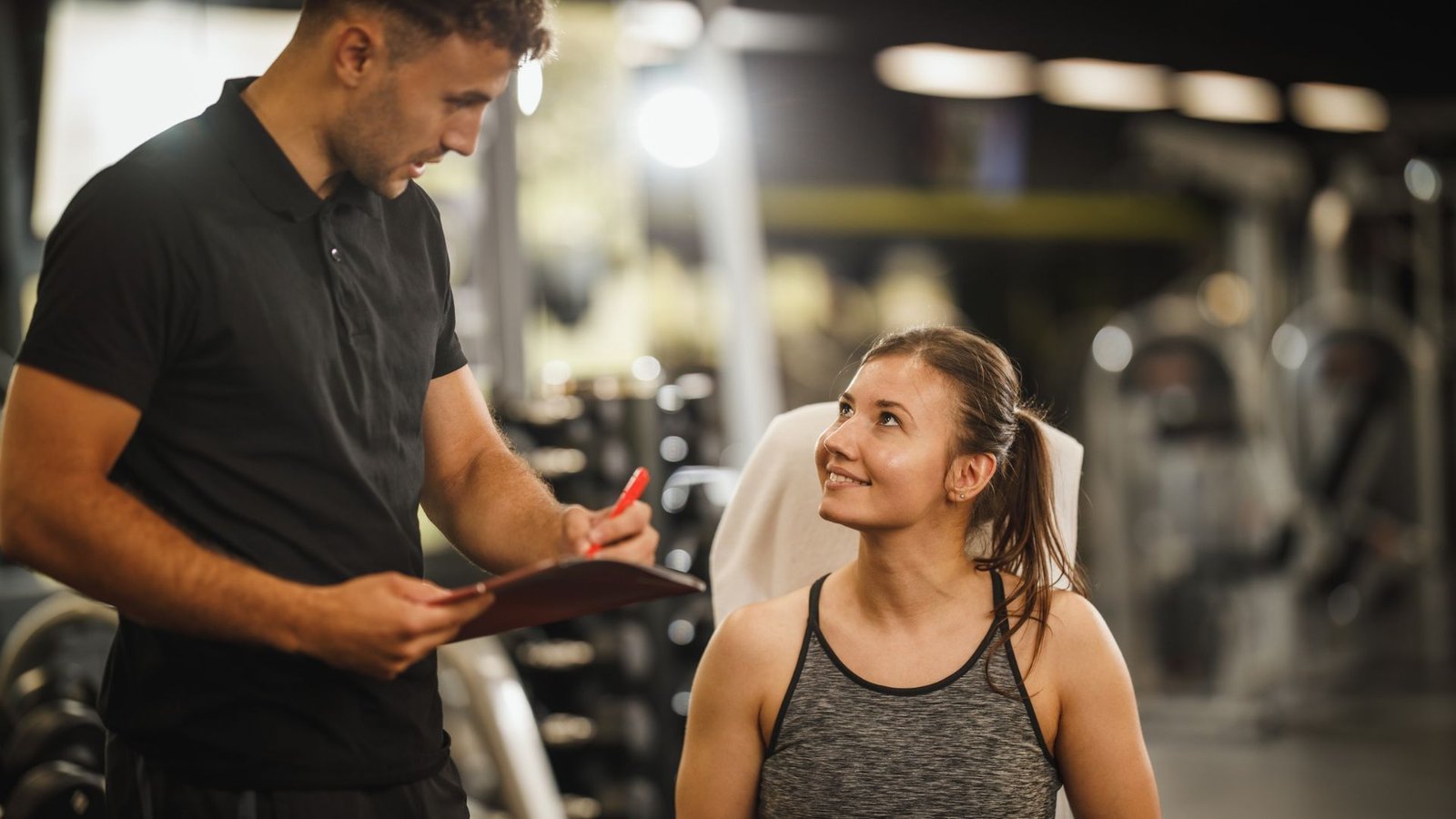
How to Choose the Right Personal Trainer as a Beginner
A good trainer should make exercise easier to understand, not more intimidating. Before committing, ask about their qualifications, experience working with beginners, training approach, and how they adapt workouts to different needs.
Look for someone who listens to your concerns, explains exercises clearly, welcomes questions, and sets realistic expectations. Be cautious of anyone who promises guaranteed results, pushes you through sharp pain, or insists that every session must leave you exhausted.
If you’re still deciding whether coaching is worth the investment, read our guide on whether hiring a personal trainer is worth it. It can help you weigh the benefits against your goals, schedule, and budget.
Most importantly, choose a trainer who respects your starting point and helps you become more independent and confident over time.
Frequently Asked Questions
Is personal training worth it if I've never exercised before?
It can be especially valuable if you're unsure where to start. A trainer can teach basic movements, build a manageable routine, and help you avoid common beginner mistakes.
Do I need to get in shape before hiring a personal trainer?
No. Personal training is designed to meet you where you are. Your trainer should adapt the exercises to your current fitness level rather than expect you to arrive already fit.
Is personal training better than working out alone?
Neither option is automatically best for everyone. Training alone can be effective if you have a suitable plan and understand proper technique. Personal training adds individualized guidance, feedback, structure, and accountability.
How long should a beginner work with a personal trainer?
There is no fixed timeline. Some people benefit from ongoing coaching, while others use personal training to learn the basics before following a program independently. Your needs, progress, and budget can guide that decision.
Can a personal trainer help me lose weight?
Yes. A trainer can develop an exercise plan that supports weight management, helps preserve or build muscle, and encourages consistent activity. Sustainable nutrition habits and overall lifestyle choices also play important roles.
Is Personal Training Good for Beginners? Benefits and Advice
Personal training can be an excellent starting point if you want to improve your fitness but aren’t sure how to begin. With appropriate exercises, proper technique, a realistic schedule, and consistent feedback, you can develop strength and confidence without trying to master everything at once.
You don’t need to lift heavy weights on your first day or follow a demanding routine to prove you’re serious. Focus on learning the basics, building sustainable habits, and making gradual improvements. Those small steps can add up to meaningful long-term results.
Start Your Fitness Journey With Lakeland Personal Training
Ready to stop guessing and start working toward your goals? Lakeland Personal Training can help you take the next step with a fitness approach tailored to your needs, current ability, and lifestyle.
Whether you want to build strength, lose weight, improve your health, or feel more confident exercising, start with a plan that makes sense for you. Reach out to Lakeland Personal Training to discuss your goals and find a practical way to get started.