If you’ve ever asked yourself, How do I prevent injuries while lifting weights?, you’re already thinking like someone who wants long-term fitness success. Strength training is one of the best ways to build muscle, improve bone health, and increase overall fitness, but using poor technique or progressing too quickly can increase your risk of injury. Fortunately, most weightlifting injuries are preventable with proper preparation, good form, and a well-designed training program.
At Lakeland Personal Training, we help adults throughout Lakeland, Florida, train safely by teaching correct lifting techniques and creating personalized programs that match each client’s fitness level and goals.
What Causes Weightlifting Injuries?
Weightlifting injuries typically occur when excessive stress is placed on muscles, joints, tendons, or ligaments. This often happens because of poor exercise technique, lifting more weight than your body can safely handle, or skipping essential recovery.
Common causes include:
- Poor lifting form
- Skipping warm-ups
- Lifting weights that are too heavy
- Overtraining
- Ignoring pain
- Lack of mobility or flexibility
- Inadequate recovery
Understanding these causes is the first step toward staying healthy and making consistent progress.
How Do I Prevent Injuries While Lifting Weights?
The best way to prevent injuries while lifting weights is to use proper form, warm up before every workout, increase weight gradually, prioritize recovery, and follow a structured strength training program designed for your fitness level.
Safe lifting habits not only reduce injury risk but also help you build strength more efficiently over time.
Essential Tips to Prevent Weightlifting Injuries
1. Always Warm Up First
A proper warm-up prepares your muscles, joints, and nervous system for exercise.
Spend 5–10 minutes doing:
- Brisk walking
- Light cycling
- Jump rope
- Dynamic stretches
- Mobility exercises
Then perform one or two lighter sets of your first exercise before lifting heavier weights.
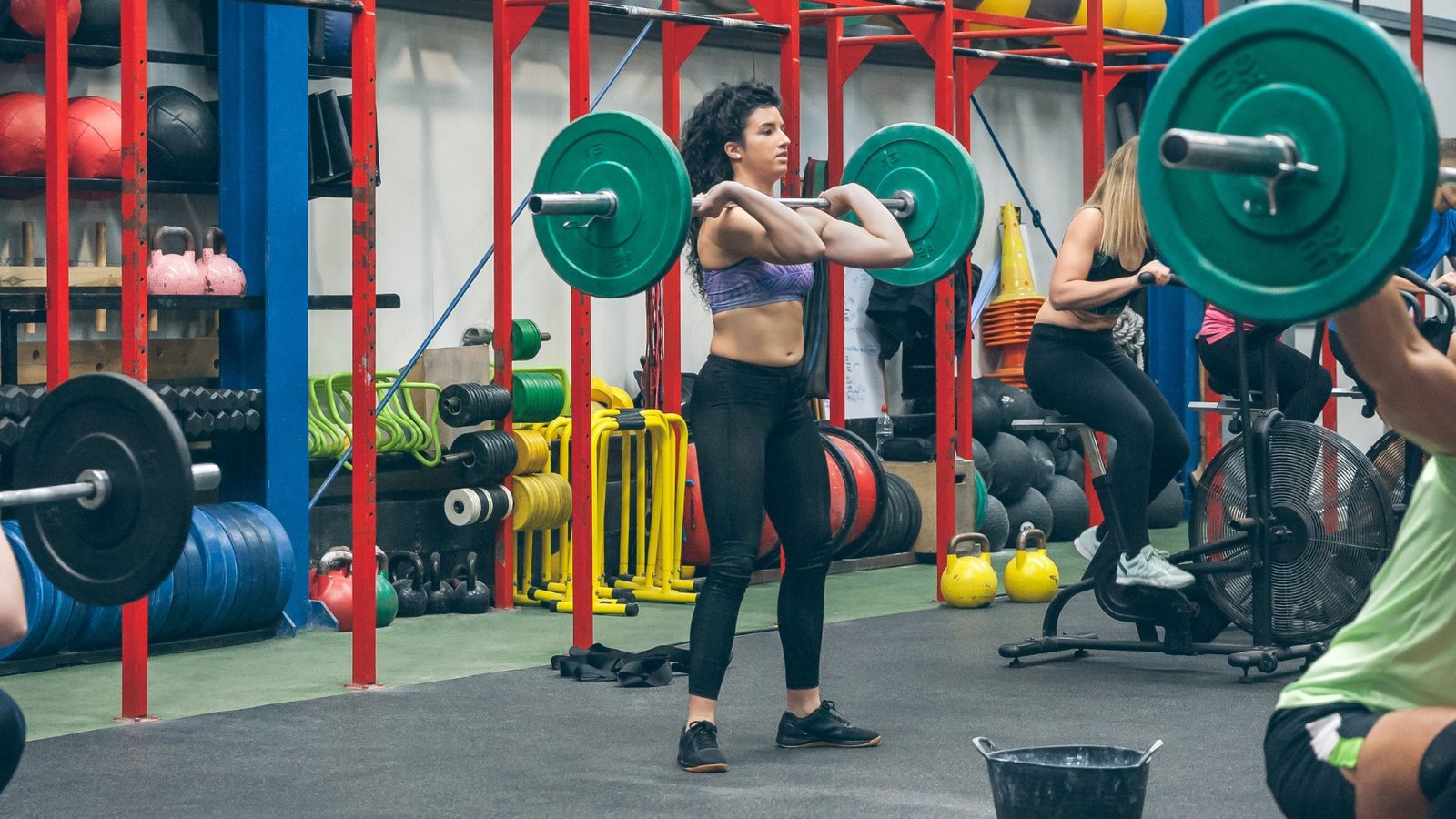
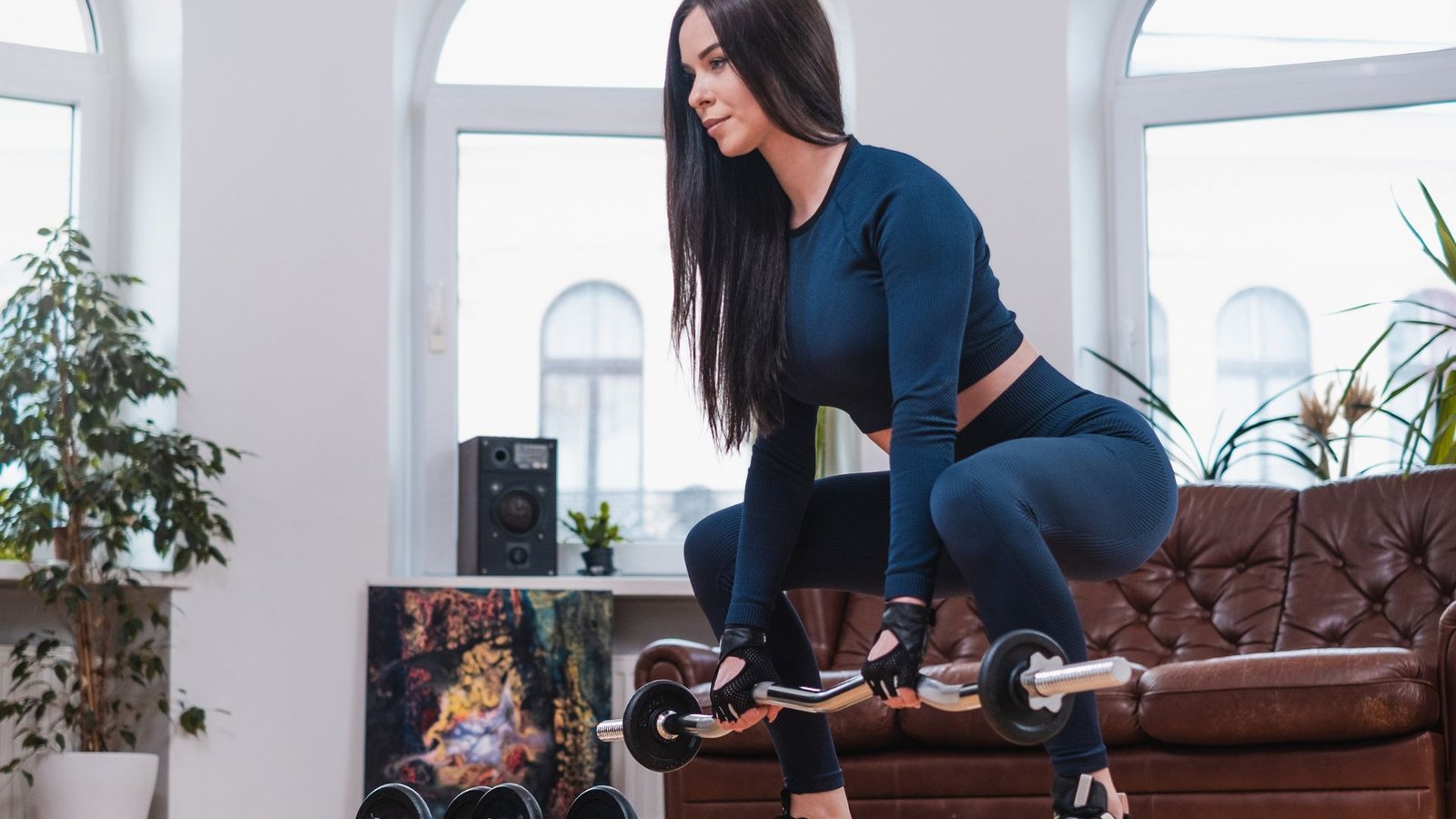
2. Learn Proper Exercise Form
Technique matters more than how much weight you lift.
Focus on:
- Maintaining a neutral spine
- Keeping controlled movement
- Using a full range of motion
- Engaging your core
- Avoiding jerky or rushed repetitions
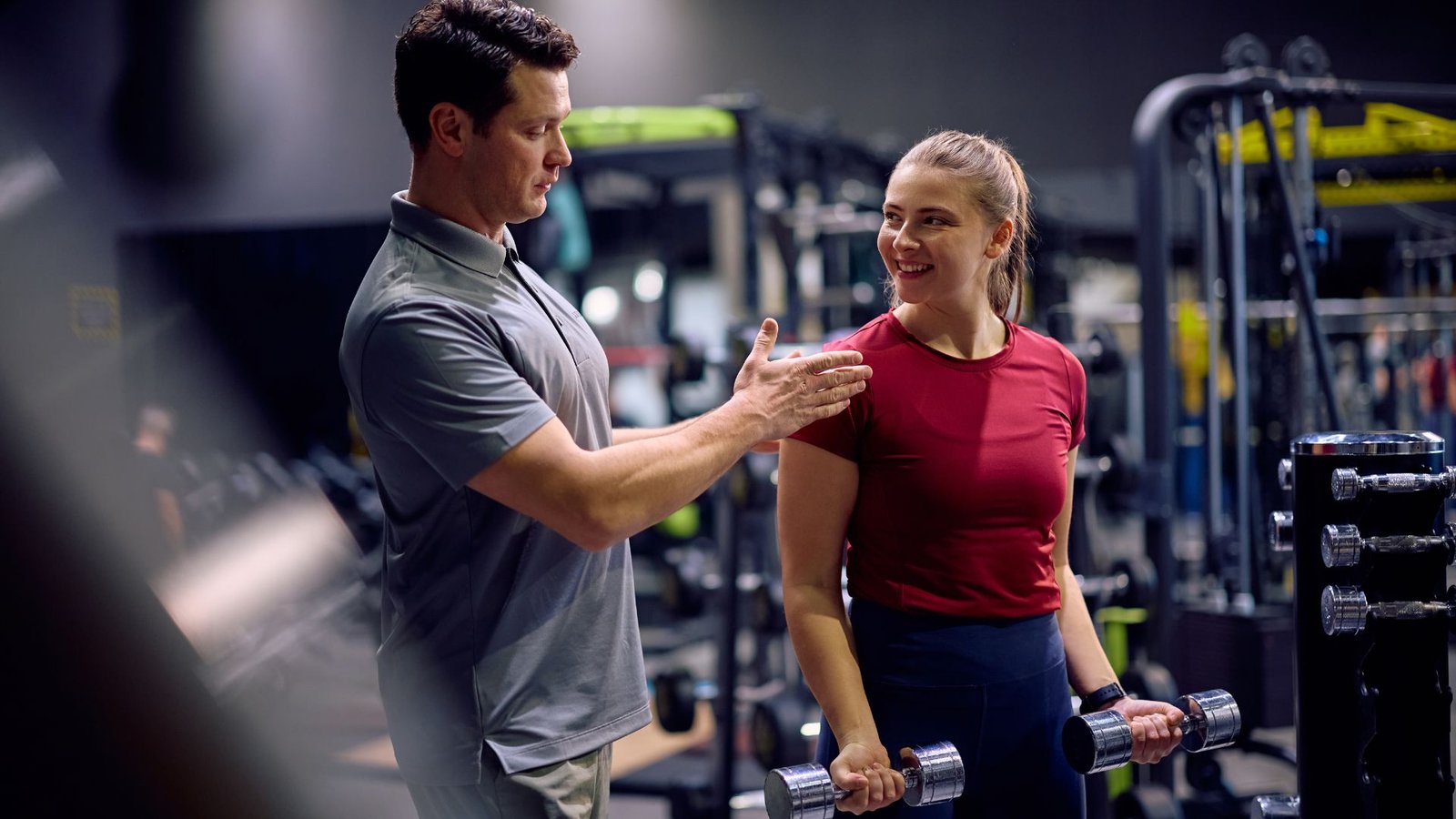
If you’re unsure about your form, ask a qualified personal trainer for guidance.
3. Increase Weight Gradually
Avoid adding large amounts of weight too quickly.
Instead:
- Increase resistance gradually
- Master your current weight first
- Prioritize quality over quantity
Progressive overload should be steady and controlled.
4. Don’t Skip Recovery
Muscles become stronger during recovery—not during workouts.
Support recovery by:
- Sleeping 7–9 hours each night
- Taking scheduled rest days
- Staying hydrated
- Eating enough protein
- Managing stress
Recovery helps prevent overuse injuries and improves performance.
5. Listen to Your Body
There’s a difference between muscle fatigue and pain.
Stop exercising if you experience:
- Sharp pain
- Joint pain
- Dizziness
- Swelling
- Sudden weakness
Ignoring warning signs can turn a minor issue into a more serious injury.
Common Weightlifting Mistakes That Increase Injury Risk
Many injuries happen because of avoidable mistakes.
These include:
- Lifting too heavy too soon
- Holding your breath throughout lifts
- Using momentum instead of muscle control
- Skipping warm-ups
- Poor posture
- Training through pain
- Neglecting flexibility and mobility
Correcting these habits can significantly improve both safety and performance.
Best Practices for Safe Strength Training
Choose the Right Exercises
Select exercises appropriate for your:
- Experience level
- Mobility
- Fitness goals
- Physical limitations
Beginners should master foundational movements before attempting advanced lifts.
Use Proper Equipment
Wear supportive athletic shoes and use equipment correctly.
When appropriate, consider:
- Weightlifting belts for heavy compound lifts
- Wrist wraps for specific exercises
- Resistance bands for activation drills
Equipment should support—not replace—good technique.
Follow a Balanced Training Program
Avoid training the same muscle groups every day.
Include:
- Upper body workouts
- Lower body workouts
- Core strengthening
- Mobility exercises
- Recovery days
Balanced programming reduces overuse injuries while promoting steady progress.

When Should You Work with a Personal Trainer?
A certified personal trainer can help you:
- Learn correct lifting technique
- Develop a personalized program
- Progress safely
- Improve mobility
- Build confidence
- Prevent common training mistakes
Whether you’re new to strength training or returning after time away, professional guidance can make your workouts safer and more effective.
Frequently Asked Questions
How do I prevent injuries while lifting weights?
Use proper form, warm up before every workout, increase weights gradually, prioritize recovery, and stop if you experience pain rather than normal muscle fatigue.
Should beginners lift heavy weights?
No. Beginners should first master proper technique using lighter weights before progressing to heavier resistance.
How important is warming up before lifting?
Very important. Warming up increases blood flow, improves mobility, and prepares your muscles and joints for exercise, reducing injury risk.
Is soreness the same as an injury?
No. Mild muscle soreness after exercise is normal, while sharp pain, swelling, or joint discomfort may indicate an injury and should not be ignored.
Can a personal trainer help prevent lifting injuries?
Yes. A qualified trainer teaches proper form, corrects technique, creates safe workout plans, and helps you progress at an appropriate pace.
Prevent Injuries While Lifting Weights with Safe Training Tips
Preventing injuries while lifting weights starts with building smart habits. Proper technique, gradual progression, effective warm-ups, adequate recovery, and listening to your body are all essential for long-term success. By focusing on safety as much as strength, you’ll build muscle, improve fitness, and stay active with greater confidence. At Lakeland Personal Training, we believe the safest workouts are also the most effective because they allow you to keep making progress without unnecessary setbacks.
Train Smarter, Lift Safer, and Reach Your Goals
Don’t let injuries slow down your progress. At Lakeland Personal Training, our experienced coaches create customized strength training programs that prioritize proper technique, safe progression, and lasting results. Whether you’re new to lifting or looking to improve your performance, we’ll help you build strength with confidence while reducing your risk of injury.
Contact Lakeland Personal Training today to schedule your consultation and discover how personalized coaching can help you lift safely, train smarter, and achieve your fitness goals for years to come.