Whether you are a busy corporate professional in Lakeland trying to regain your strength, a parent trying to keep up with active kids, or an older adult focused on preserving your mobility, building lean muscle mass is one of the best choices you can make for your long-term health. But if you have spent any time researching nutrition online, you have likely run into conflicting advice about diet. You might find yourself constantly wondering: how much protein do i need to build muscle safely and effectively? Understanding your specific protein requirements is the ultimate foundational step to unlocking your physical potential. Protein acts as the literal building block for your muscle tissue, playing a critical role in metabolic function, bone density, and post-workout recovery. For residents training in Lakeland, Florida, matching your daily nutritional intake to your physical activity level ensures that every single minute you spend exercising translates into tangible, real-world results.
Defining Protein’s Role in Muscle Growth
To understand exactly how much protein do i need to build muscle, it helps to know what this macronutrient actually does inside the body. Protein is composed of organic compounds called amino acids, which are frequently described as the structural building blocks of the human body. When you engage in resistance training or strength exercises, you create tiny, microscopic tears in your targeted muscle fibers.
Your body repairs these microscopic tears through a physiological process known as muscle protein synthesis. To successfully rebuild these fibers stronger and denser than they were before, your system requires an abundant, steady supply of dietary amino acids. If you fail to consume an adequate amount of protein each day, your body simply lacks the raw materials required to repair, recover, and grow new lean tissue.
How Much Protein Do I Need to Build Muscle? The Exact Formula
The precise answer to how much protein do i need to build muscle depends largely on your total body weight, your current lean muscle mass, and your overall daily activity level. Clinical sports nutrition guidelines state that to maximize muscle growth, an active adult should consume between 0.8 to 1.0 grams of protein per pound of body weight daily.
If you prefer using metric measurements, this translates directly to roughly 1.6 to 2.2 grams of protein per kilogram of body weight each day. For an adult weighing 160 pounds, this means aiming for a target range of 128 to 160 grams of daily protein. If you are carrying a significant amount of excess body fat, you can safely calculate this target using your goal lean body weight instead to keep your targets attainable.
| Your Weight | Daily Protein Target Range (0.8–1.0g per lb) |
| 130 Pounds | 104 – 130 Grams of Daily Protein |
| 160 Pounds | 128 – 160 Grams of Daily Protein |
| 190 Pounds | 152 – 190 Grams of Daily Protein |
| 220 Pounds | 176 – 220 Grams of Daily Protein |
Practical Steps to Hit Your Daily Protein Goals
Meeting a high daily protein target can feel incredibly intimidating if you are accustomed to a standard American diet. However, breaking your daily target down into manageable steps makes the entire process seamless, sustainable, and highly realistic for a busy lifestyle.
Step 1: Distribute Across 3 to 5 Meals
Do not attempt to consume your entire day’s worth of protein in a single, massive sitting. Your body can optimize muscle protein synthesis best when you feed it consistently throughout the day. Aim to consume roughly 25 to 40 grams of high-quality protein during each of your main meals.
Step 2: Prioritize High-Quality Whole Food Sources
Build your meals around lean, nutrient-dense whole food protein options. Excellent choices include:
Animal Proteins: Skinless chicken breast, lean ground beef, turkey, wild-caught fish, and whole eggs.
Dairy Options: Low-fat Greek yogurt, cottage cheese, and high-quality whey protein isolate.
Plant-Based Alternatives: Tofu, tempeh, edamame, lentils, and chickpea pasta.
Step 3: Supplement Intelligently When Needed
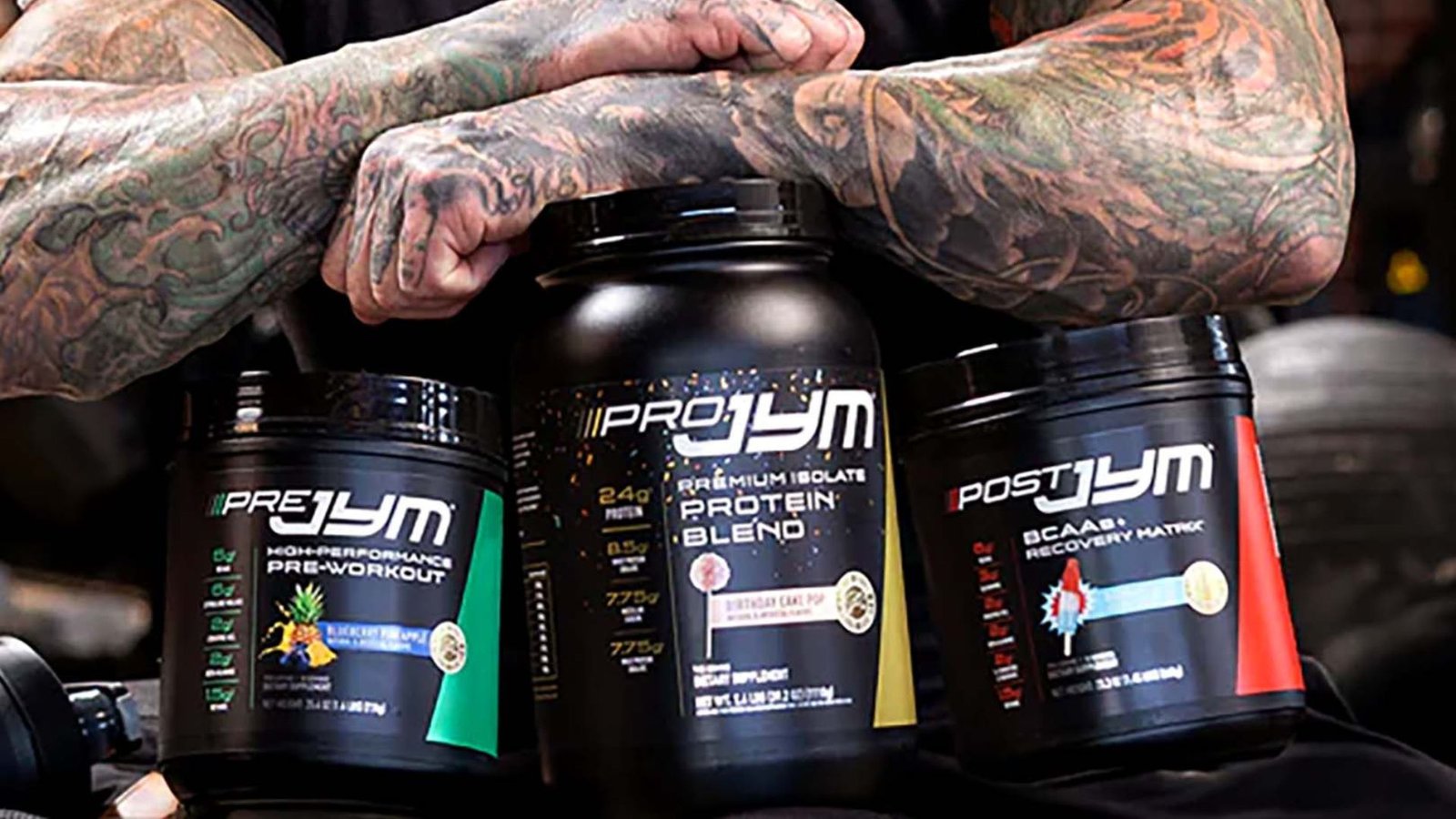
If you have a hectic schedule that prevents you from cooking, a high-quality protein powder can serve as an excellent tool. Consuming a whey or plant-based protein shake after your workout is a highly convenient way to jumpstart your recovery process when you are on the go between meetings or family errands.
How to Optimize Your Nutritional Timing
While hitting your total daily protein number is the single most important factor, proper timing can give your recovery a substantial boost. Consuming an amino-acid-rich meal within two to three hours before or after your strength training session ensures your body has nutrients circulating when it needs them most.
Additionally, enjoying a slow-digesting protein source, such as cottage cheese or casein protein, shortly before bed can be incredibly beneficial. This provides your muscles with a sustained release of amino acids throughout the night, protecting your hard-earned muscle tissue while you sleep.
Frequently Asked Questions About Protein and Muscle Growth
For healthy adults with normal kidney function, consuming a high-protein diet within the recommended ranges is completely safe and backed by extensive scientific research. Your body will simply utilize the excess protein for energy or excrete it naturally. However, if you have a pre-existing medical condition involving your kidneys, you should always consult with your primary healthcare physician before altering your diet.
Yes, plant protein can be highly effective for building muscle, though it requires a little more planning. Most plant-based proteins are “incomplete,” meaning they lack one or more essential amino acids. To optimize your muscle growth on a plant-based diet, ensure you consume a wide variety of protein sources—such as combining grains and legumes—to provide your body with a complete amino acid profile.
If you consistently lift weights without eating enough protein, your body will struggle to repair the damaged muscle tissue. Over time, this can lead to persistent muscle soreness, extended recovery times, chronic fatigue, and a complete plateau in your strength gains. In severe cases of protein deficiency, your body may even break down existing muscle tissue to fuel its basic metabolic processes.
Total daily calories and total daily protein are both critically important, but they serve completely different functions. Calories dictate whether you gain, lose, or maintain your overall body weight. Protein determines the quality of that weight change, ensuring that you lose fat rather than muscle, or build lean tissue rather than storing excess fat. For the best results, you should track both metrics in tandem.
How Much Protein Do I Need to Build Muscle? | Lakeland FL
Mastering your daily nutrition is the ultimate key to unlocking a stronger, healthier, and more energized version of yourself. By calculating your personal protein targets, focusing your meals around high-quality whole foods, and distributing your intake evenly throughout the day, you can maximize your results and protect your long-term wellness.
Remember, nutrition does not have to be an all-or-nothing guessing game. True, lasting body transformation comes from consistent, sustainable habits that fit naturally into your existing lifestyle. With the right guidance and a customized plan tailored to your unique body composition, achieving your strength goals becomes completely straightforward.
Ready to Simplify Your Nutrition and Build Lasting Strength? Get Your Expert Plan Today!
Stop stressing over confusing internet diets and start fueling your body with absolute confidence. At Lakeland Personal Training, we combine private, custom strength coaching with practical, personalized nutritional guidance designed around your busy schedule and individual goals. Click here to book your complimentary fitness and lifestyle consultation with our expert team today! Let’s work together to build the strong, healthy body you deserve.