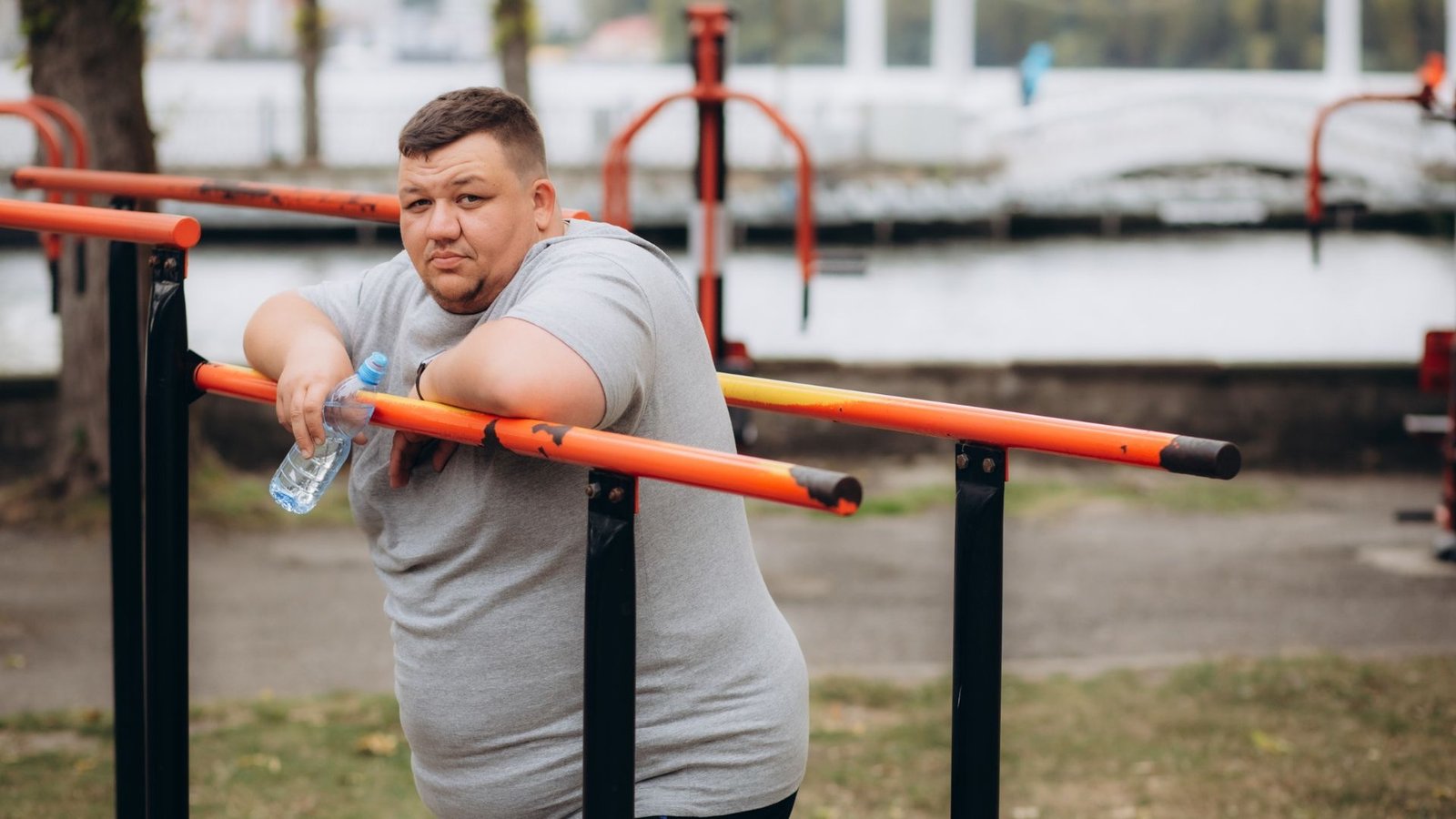
If you’re trying to lose body fat, you’ve probably wondered which workout will deliver the fastest results. Should you run on a treadmill, lift weights, cycle, or try high-intensity interval training (HIIT)? With so many fitness programs promising to burn fat quickly, choosing where to start can feel overwhelming.
The exercises that burn the most body fat are generally those that use substantial energy and that you can perform consistently. Running, cycling, swimming, brisk walking, and vigorous interval training can all help increase calorie expenditure. Strength training is equally valuable because it helps preserve muscle as you lose weight.
However, exercise alone doesn’t determine fat loss. Your nutrition, daily activity, sleep, and consistency all influence your results. The goal isn’t to find the most exhausting workout—it’s to build a routine that helps you lose fat while becoming stronger and healthier.
7 Exercises That Help Burn Body Fat
Different exercises offer different benefits. Consider your current fitness level, available time, and physical limitations when choosing the activities that fit your lifestyle.
1. Running and Jogging
Running can burn a substantial number of calories in a relatively short period, particularly when performed at a challenging pace. It also improves cardiovascular fitness and requires little equipment beyond appropriate footwear.
If you’re new to exercise, begin with alternating short periods of jogging and walking. Gradually increase your running time as your endurance improves.
Running isn’t essential for fat loss, though. If it causes joint discomfort or feels too demanding, walking, cycling, or swimming can be effective alternatives.
2. Brisk Walking
Walking is one of the most accessible ways to increase daily energy expenditure. It doesn’t require a gym membership, is relatively low impact, and can fit into a busy schedule.
Try walking for 20–30 minutes at a pace that raises your breathing while still allowing you to speak in sentences. As your fitness improves, extend your walks, choose gentle inclines, or increase your pace.
For people returning to exercise after a long break, regular walking can be a manageable first step toward more demanding workouts.
3. Cycling
Cycling works the muscles of your legs while challenging your cardiovascular system. Depending on your pace, resistance, and duration, it can provide a moderate or vigorous workout.
You can cycle outdoors or use a stationary bike at home or in a gym. Start with a comfortable resistance, then gradually increase the duration or intensity.
Cycling can be particularly useful if running feels uncomfortable because it places less impact on the joints.
4. Swimming
Swimming engages multiple muscle groups while providing cardiovascular exercise with minimal impact on your joints. It can be a useful option for people who prefer water-based activity or need an alternative to weight-bearing exercise.
Choose a pace and stroke that match your ability. Beginners can start with short intervals and rest between lengths rather than attempting a long, continuous session immediately.
As with other forms of cardio, regular swimming can support fat loss when combined with appropriate nutrition and an overall active lifestyle.
5. High-Intensity Interval Training (HIIT)
HIIT alternates short periods of harder exercise with recovery intervals. For example, you might cycle quickly for 20 seconds, pedal slowly for 60 seconds, and repeat several times.
This approach can make workouts time-efficient, but it isn’t automatically better than every other form of exercise. Very intense sessions can also be difficult to recover from, especially if you’re a beginner.
Start with low-impact intervals if needed, and focus on controlled movement rather than pushing yourself to exhaustion. You don’t need HIIT every day to make progress.
6. Full-Body Strength Training
Strength training is an important part of a body-fat reduction plan because it helps maintain muscle while you lose weight. It can also improve strength, posture, and your ability to perform everyday activities.
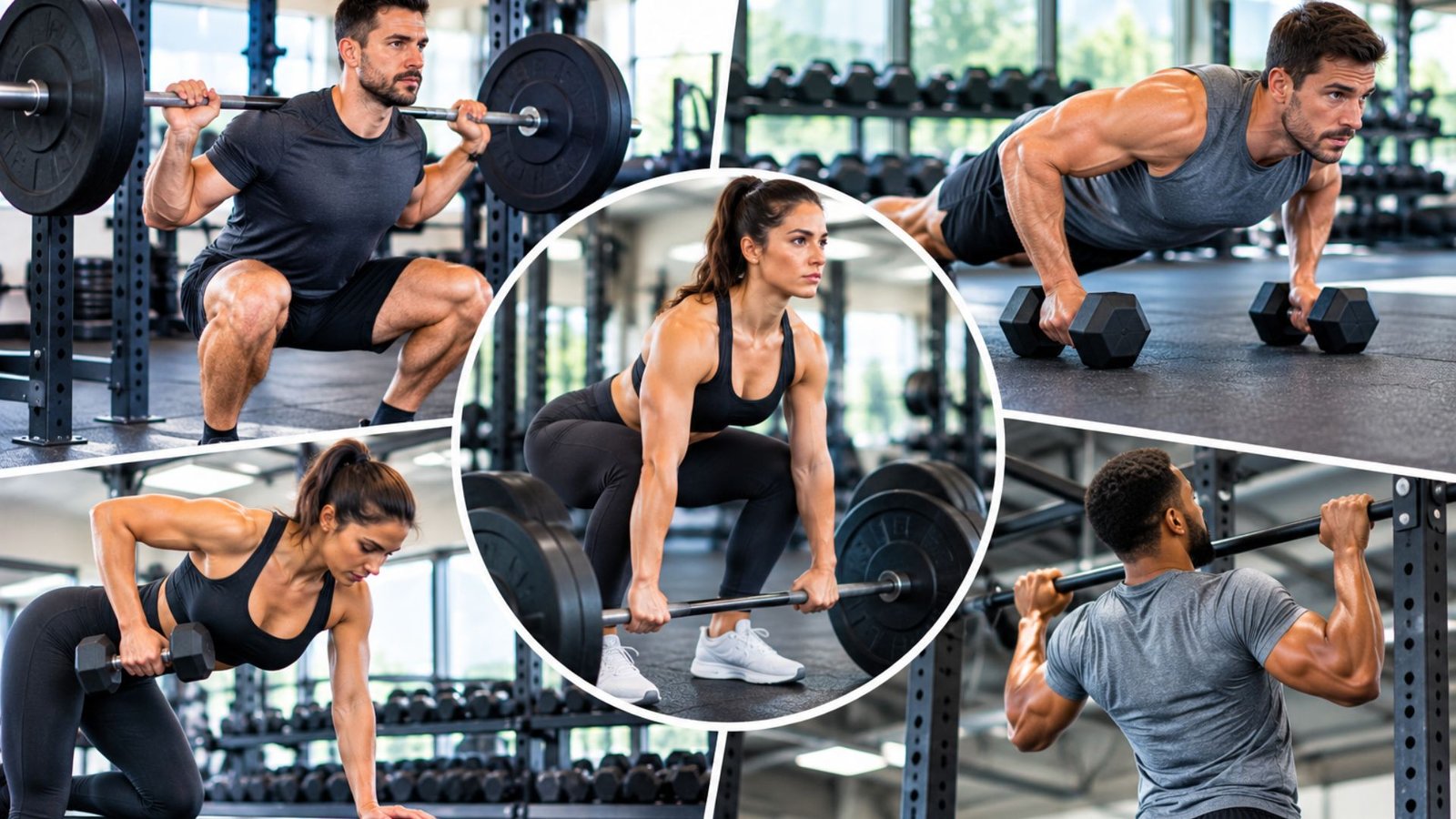
Useful exercises include squats, lunges, rows, push-ups, presses, and hip-hinge movements. These exercises challenge multiple muscle groups and can be adapted to different experience levels.
For a more structured approach, explore our guide to a full-body fat loss workout. It explains how strength training and cardio can work together in a balanced program.
7. Compound Exercises
Compound exercises involve multiple joints and muscle groups in a single movement. Examples include squats, deadlifts, step-ups, push-ups, and rows.
Because these exercises involve several muscles, they can make strength workouts efficient. They also help develop practical strength for lifting, climbing stairs, carrying groceries, and other daily tasks.
Learn more in our article, What Are Compound Exercises?.
Choose variations that match your ability and use proper technique. Adding more weight isn’t worthwhile if it compromises your form.
Is Cardio or Strength Training Better for Fat Loss?
Both have a place in an effective fat-loss plan.
Cardio increases energy expenditure during exercise and improves cardiovascular health. Strength training challenges your muscles and helps preserve lean mass while your body weight decreases.
Rather than treating them as competing options, combine them when possible. For example, you could strength train two or three days per week and walk, cycle, or swim on other days.
You can also read Does Lifting Weights Burn Calories? to understand how resistance training contributes to calorie expenditure and body composition.
The right balance depends on your goals, recovery, schedule, and exercise experience. A beginner may benefit more from a manageable routine performed consistently than from an advanced program that is difficult to maintain.
How to Build a Weekly Fat-Burning Workout Routine
You don’t need to exercise intensely every day. Start with a schedule that leaves enough time for recovery and gradually increase your activity as your fitness improves.
Here is a sample routine you can adapt:
Monday: Full-body strength training for 30–45 minutes.
Tuesday: Brisk walking or cycling for 20–30 minutes.
Wednesday: Strength training with exercises suited to your ability.
Thursday: Walking, swimming, or another comfortable cardio activity.
Friday: Full-body strength training.
Saturday: An enjoyable activity, such as a longer walk, cycling, or recreational swimming.
Sunday: Rest or gentle movement.
If you’re new to exercise, start with fewer sessions or shorter workouts. You can build up gradually toward general physical activity guidelines, which recommend at least 150 minutes of moderate-intensity aerobic activity each week for most adults, along with muscle-strengthening activity on two days.
Why Exercise Alone May Not Reduce Body Fat
Even a demanding workout routine may not produce the results you expect if your overall energy intake consistently exceeds what your body uses.
You don’t need an extreme diet to address this. Focus on sustainable habits such as:
Including protein-rich foods to support muscle maintenance and fullness.
Eating vegetables, fruit, and fiber-rich foods regularly.
Choosing portions that support your goals without leaving you constantly hungry.
Drinking water throughout the day.
Getting adequate sleep and allowing your body to recover.
You can learn more in our guide to losing body fat without doing cardio, which explains how nutrition, resistance training, and everyday movement can contribute to fat loss.
Remember that you cannot choose exactly where your body loses fat. Abdominal exercises can strengthen your core, for example, but they won’t selectively remove belly fat. Overall fat loss happens over time, and the rate varies from person to person.

Frequently Asked Questions
What is the number one exercise for burning body fat?
There isn't one best exercise for everyone. Running and vigorous cycling can use substantial energy, while brisk walking and strength training offer other valuable benefits. The best choice is one you can perform safely and consistently.
Can I burn body fat by walking every day?
Yes. Regular walking increases your daily activity and can support fat loss when combined with sustainable eating habits. Start with a realistic duration and build up as your fitness improves.
Is HIIT better than steady-state cardio for fat loss?
Not necessarily. HIIT can be time-efficient, but steady cardio may be easier to sustain and recover from. Both can support fat loss, so choose an approach that fits your ability and preferences.
How long does it take to see fat-loss results?
It varies based on your starting point, nutrition, activity, sleep, and consistency. Focus on sustainable progress over several weeks rather than expecting dramatic changes after a few workouts.
What Exercises Burn the Most Body Fat? Best Fat-Burning Tips
The most effective fat-loss routine combines activities that increase calorie expenditure with strength training that helps preserve muscle. Running, walking, cycling, swimming, HIIT, and compound strength exercises can all contribute to your progress.
You don’t need to do every exercise on this list. Choose two or three activities you enjoy, build a realistic weekly schedule, and make gradual improvements. Pair your workouts with balanced nutrition and adequate recovery to give yourself a better chance of maintaining your results.
Start Your Fat-Loss Journey With Lakeland Personal Training
Not sure which exercises are right for your goals or current fitness level? Lakeland Personal Training can help you develop a personalized approach to improving strength, increasing activity, and working toward sustainable fat loss.
Whether you’re just getting started or have been exercising without seeing the progress you want, a structured plan can help you train with greater confidence. Contact Lakeland Personal Training to discuss your goals and take the next step toward a stronger, healthier you.