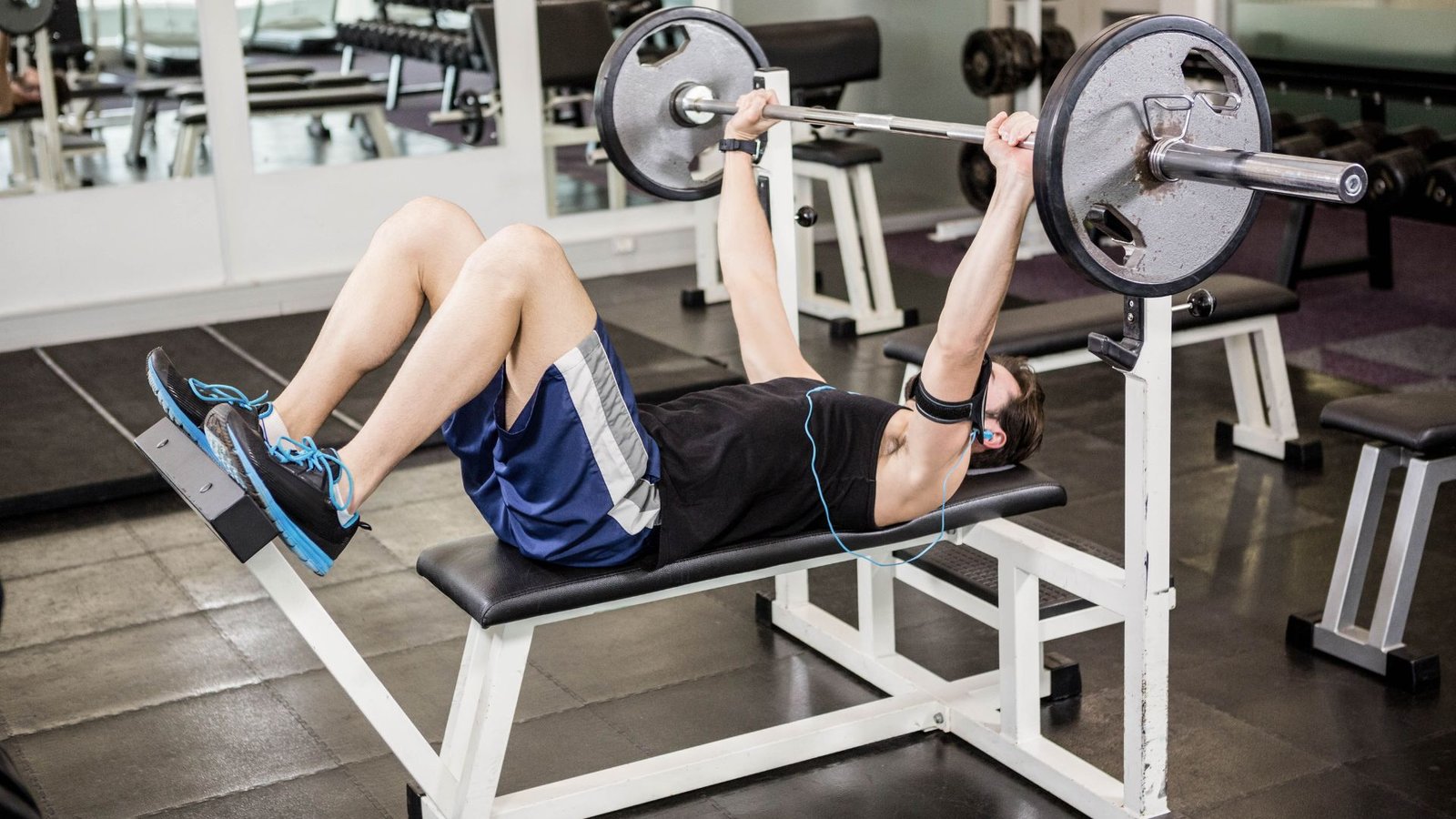
Strength training has evolved far beyond the basic sets and reps most people learned when they first stepped into a gym. Today, lifters want methods that are efficient, science-supported, and proven to get results without hours of wasted effort. This is exactly where MED Training shines.
MED Training isn’t just another fitness buzzword. It’s a structured, results-driven system built on Micro-Loading, Extended Sets, and Drop Sets—three powerful techniques combined to create fast, measurable progress. When used together, these methods help you break plateaus, increase training density, and stimulate muscle growth without needing marathon sessions under the bar.
If you’re ready to train smarter—not just harder—MED Training might be the upgrade your routine has been missing.
What Is MED Training?
MED Training is a strength-focused system designed around efficiency. Every technique included in this approach serves a purpose:
1. Micro-Loading
Micro-loading involves adding very small increments of weight to your lifts—often just 1–2 pounds at a time.
Why does this matter?
Because your body adapts in small steps. Traditional gym plates increase by 5–10 pounds, which can be too big of a jump for many lifters. This often leads to frustration, missed reps, or stagnation.
Micro-loading allows you to progress consistently and safely, especially on lifts like:
Bench press
Overhead press
Barbell curls
Rows
By forcing small but steady overload, Micro-Loading helps build strength without overwhelming the nervous system. It’s one of the most understated yet most powerful strategies in modern strength training.
2. Extended Sets
Extended sets push your muscles past their usual stopping point by altering how long your muscles stay under tension.
For example:
You complete 8 reps with good form.
Instead of stopping, you immediately switch tempo—slower reps, partial reps, or pauses—to extend the set without adding weight.
This increased time under tension targets muscle fibers deeply, promoting hypertrophy and metabolic fatigue. It’s a technique used by bodybuilders, strength athletes, and anyone trying to break through a plateau.
Extended sets are especially effective for:
Squats
Dumbbell presses
Rows
Leg presses
Machine isolations
They help you get more quality work done in less time—a cornerstone of MED Training.
3. Drop Sets
Drop sets allow you to continue a set after reaching muscle failure by reducing the weight and pushing for additional reps.
A typical example:
Perform a set to failure at your working weight.
Immediately reduce the weight by 20–30%.
Continue rep after rep until you hit failure again.
Drop sets create enormous metabolic stress, which is a major driver of muscle growth. They are intense, time-efficient, and highly effective at stimulating stubborn muscle groups.
Common drop-set exercises include:
Lateral raises
Bicep curls
Leg extensions
Cable flyes
Tricep pushdowns
When combined with Micro-Loading and Extended Sets, Drop Sets round out a powerful trio of strength-boosting strategies.

Why MED Training Works
MED Training blends mechanical tension, metabolic stress, and progressive overload into one seamless system. Here’s why it’s so effective:
✔ Faster Progress
Because you’re challenging the muscles in multiple ways within the same session, you stimulate more adaptation—quickly and consistently.
✔ Breaks Plateaus
Traditional training stalls when you keep repeating the same patterns. MED Training introduces strategic variations that push you past sticking points.
✔ Time-Efficient Workouts
You don’t need two-hour sessions to make strength gains. MED Training is designed to give you more results from less time.
✔ Adaptable for All Levels
Whether you’re a beginner aiming to get stronger or an experienced lifter chasing new PRs, the methods can be scaled to your capability.
✔ Evidence-Backed Techniques
Each component—Micro-Loading, Extended Sets, Drop Sets—is supported by decades of strength-training research.
How to Structure a MED Training Workout
Here’s an example session using all three methods:
Bench Press – Micro-Loading Focus
4 sets of 5 reps
Increase weight by 1–2 lbs weekly
Dumbbell Shoulder Press – Extended Set
10 controlled reps
Immediately follow with 6 slow-tempo reps
Cable Fly – Drop Set
12 reps (failure)
Drop weight 25%
Continue 8–10 more reps
Lat Pulldown – Extended Set
8 standard reps
5 partial reps to finish
Barbell Curls – Drop Set
10 reps
Drop weight
Rep to failure
This combination ensures every muscle is challenged through multiple pathways, leading to stronger, denser, more defined muscle tissue.
Is MED Training Right for You?
If you want:
Faster strength gains
Shorter, more effective workouts
A proven structure that breaks stubborn plateaus
Training you can adjust to your level
Then MED Training is absolutely worth integrating into your weekly routine.
It’s especially valuable for lifters who have hit a wall with traditional straight-set training or those who feel they’re not seeing enough return for the time invested.
Ready to Build Serious Strength?
If you’re looking for a smarter, more effective strength-training system, MED Training delivers powerful results without complicated routines or endless gym sessions.
Whether you’re leveling up your current program or starting fresh, this method can transform how you train—and how quickly you see progress.
Want a personalized MED Training plan tailored to your goals? Simply reach out and take the first step toward your strongest self.