Grip strength is often the hidden limiting factor in strength training. You may feel ready to lift heavier during deadlifts or rows, but your hands give out before your back or legs do. This is where straps for weight training can make a meaningful difference.
While some believe lifting straps weaken natural grip, the truth is more nuanced. When used strategically, straps for weight training can actually enhance overall performance and contribute to long-term grip development. Understanding how and when to use them is essential for maximizing your progress.
What Are Straps for Weight Training?
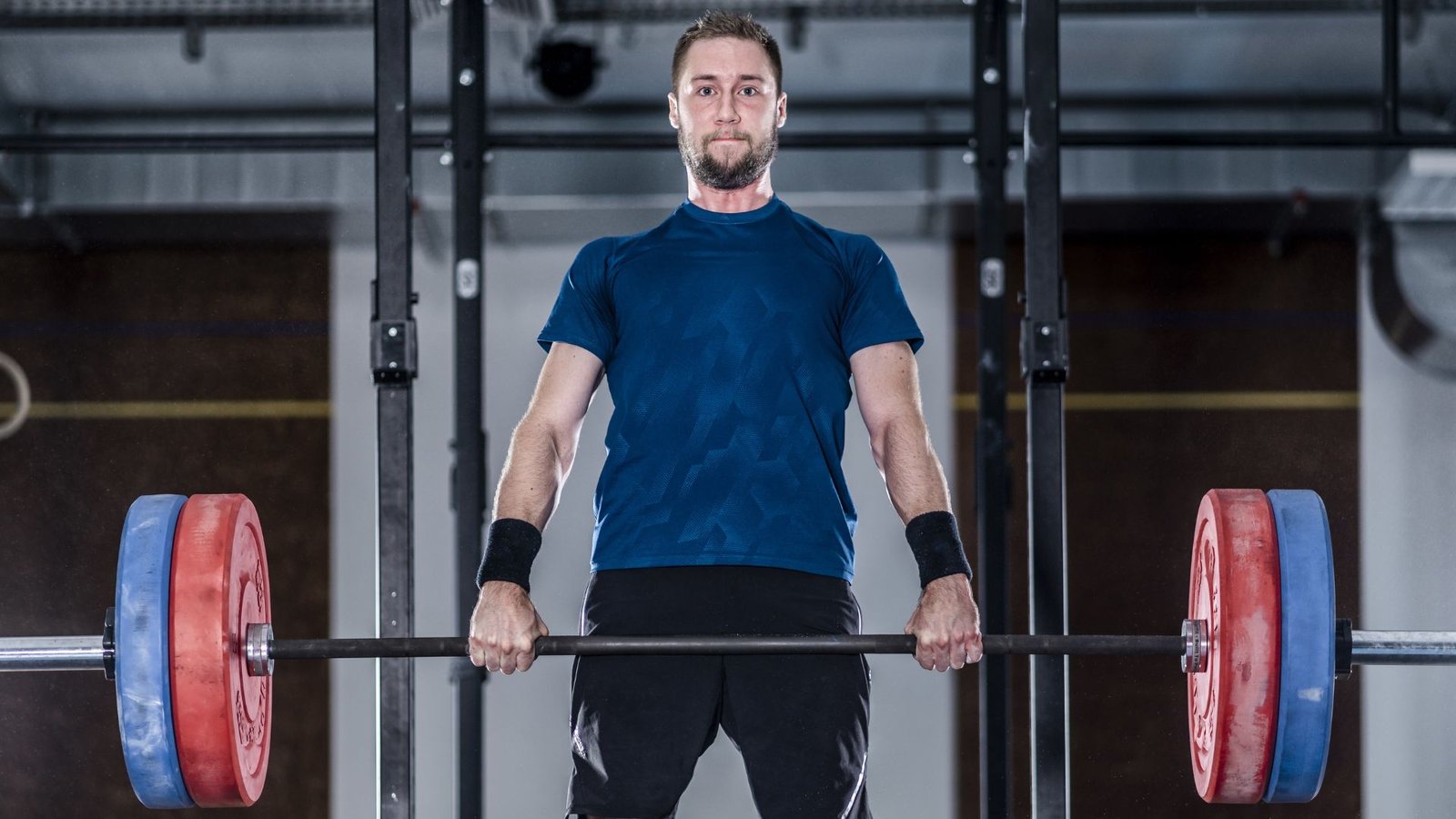
Straps for weight training are supportive accessories that wrap around your wrist and attach to a barbell or dumbbell. Their purpose is to secure your grip during heavy pulling movements.
They are commonly used for:
Deadlifts
Barbell rows
Pull-ups
Shrugs
Romanian deadlifts
By reinforcing your hold on the bar, straps reduce grip fatigue and allow you to focus on the target muscle group.
How Straps for Weight Training Support Grip Strength
It may seem contradictory that a tool designed to assist your grip can help improve it. However, straps contribute indirectly to stronger hands and forearms in several ways.
1. Allowing Progressive Overload
Muscle growth requires progressive overload. If your grip fails before your larger muscles are fully stimulated, you limit your strength potential.
Straps for weight training allow you to lift heavier weights during your most challenging sets. Over time, as your back and posterior chain grow stronger, your grip strength naturally increases as well because it must support heavier loads during non-strap work.
2. Increasing Total Training Volume
Volume plays a major role in strength development. When grip fatigue cuts your sets short, you reduce total training stimulus.
Using straps for weight training during heavy sets enables you to complete full repetitions with proper form. This increases muscular endurance and strength across your entire upper body, including your grip.
3. Reducing Overuse Fatigue
Constantly pushing your grip to failure can strain the forearms and elbows. Straps distribute some of the tension, allowing recovery while still maintaining heavy training intensity.
This balance prevents burnout and supports long-term progression.
Do Straps Weaken Your Natural Grip?
Straps only weaken grip strength if they are used for every single lift, including light sets. Overreliance prevents your forearms from being properly trained.
A smarter approach includes:
Performing warm-up sets without straps
Using straps only for heavy working sets
Adding direct grip-strength exercises weekly
This method ensures your hands still develop strength while straps help you push your limits safely.
Best Exercises to Pair With Straps
Straps for weight training are most beneficial during pulling movements where grip is likely to fail first.
Ideal exercises include:
Heavy deadlifts
Barbell rows
Rack pulls
Shrugs
High-rep Romanian deadlifts
Avoid using straps during lighter accessory work. Save them for your most demanding sets.
Sample Weekly Training Plan
Below is an example of how to incorporate straps effectively into your routine:
| Day | Workout Focus | Strap Usage |
|---|---|---|
| Monday | Back & Deadlifts | No straps for warm-up, straps for heavy sets |
| Tuesday | Chest & Triceps | Not required |
| Wednesday | Rest or Light Cardio | — |
| Thursday | Pull Day (Rows, Pull-ups) | Straps for final heavy sets |
| Friday | Legs | Optional for Romanian deadlifts |
| Saturday | Grip-Specific Training | No straps |
| Sunday | Rest | — |
This schedule ensures balanced development. You strengthen your grip naturally while benefiting from heavier lifts supported by straps for weight training.
Additional Grip Strength Exercises
To complement strap use, include direct grip training such as:
Farmer’s carries
Plate pinches
Dead hangs
Towel pull-ups
Static barbell holds
Training grip separately once or twice per week builds endurance and hand strength without interfering with heavy compound lifts.
Common Mistakes to Avoid
Using straps for every exercise
Skipping direct grip work
Wrapping straps incorrectly
Lifting weights beyond safe capacity
Straps are tools designed to enhance performance, not shortcuts to avoid building real strength.
Why Many Lifters Choose Straps
Experienced lifters use straps for weight training because they understand their purpose. The goal is not to avoid grip training but to prevent it from limiting overall strength gains.
When training for muscle growth or performance, your larger muscle groups are often capable of more than your hands can handle. Straps bridge that gap, allowing full muscular stimulation.
When used strategically, they help you train smarter and recover better.
Take Your Strength Training to the Next Level
Straps for weight training can be a powerful addition to your program when used correctly. They allow you to maximize heavy lifts, increase total volume, and maintain proper form while still building grip strength.
Strengthen Your Lifts With Smart Strap Use
If grip fatigue is holding you back from reaching new personal bests, consider incorporating straps strategically into your routine. Pair heavy compound lifts with dedicated grip exercises and consistent progression.
Train with purpose, use the right tools at the right time, and unlock stronger performance in every workout.