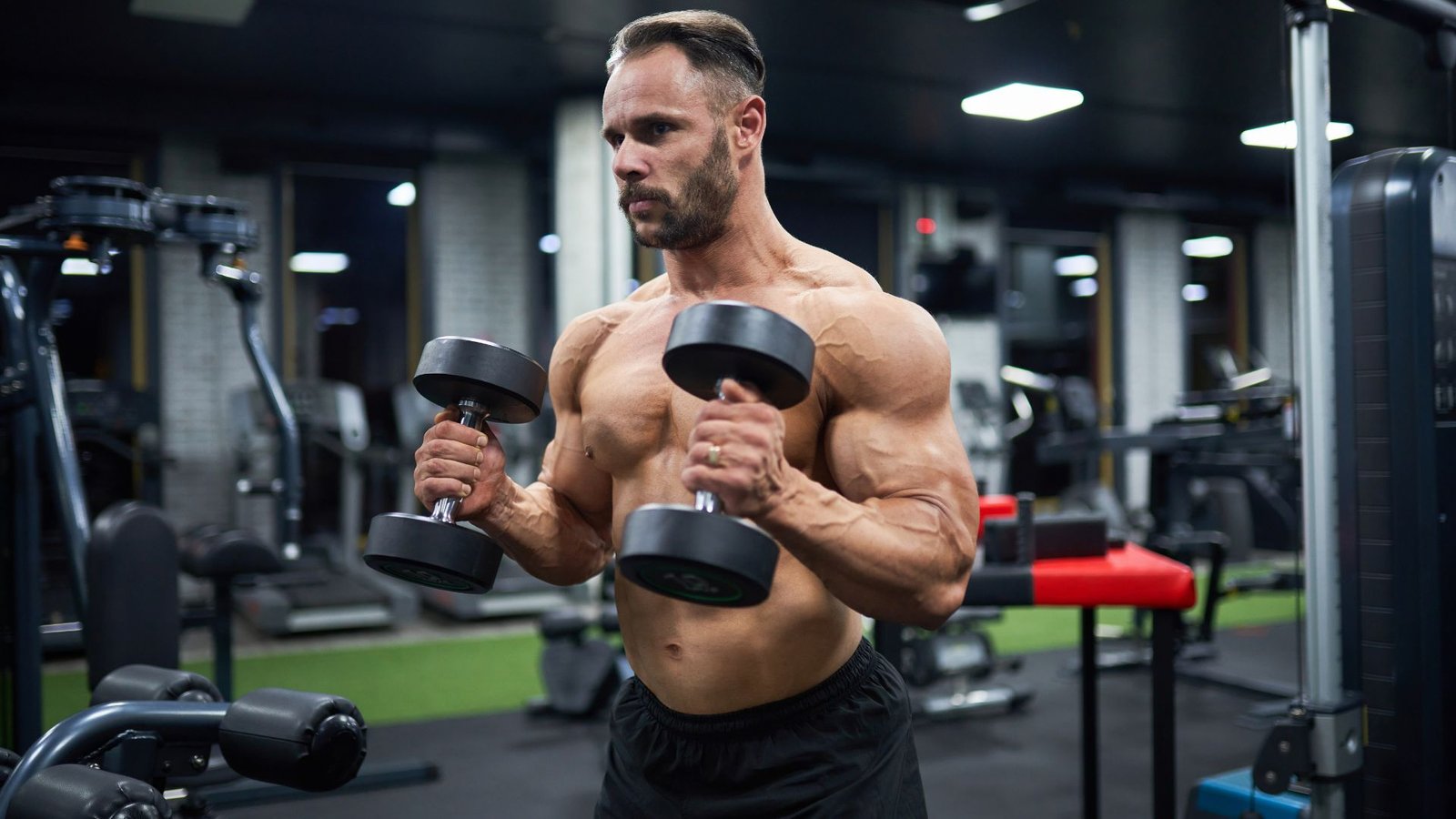
When people think about chest training, they often focus on appearance alone. While a well-developed chest can certainly boost confidence, the real value lies in strength, posture, and everyday function. Incorporating good chest exercises into your workout routine helps improve pushing power, supports shoulder health, and creates a balanced upper body. Whether you’re a beginner or have some training experience, understanding how to train your chest effectively can make a noticeable difference in how you move and feel.
Why Good Chest Exercises Are Important
The chest muscles are involved in many daily movements, from pushing open doors to lifting objects and supporting upper-body stability. Performing good chest exercises strengthens these muscles while also engaging the shoulders, arms, and core.
A strong chest also contributes to better posture. When chest training is balanced with back exercises, it can help reduce rounded shoulders and upper-body tension. This balance is essential for both performance and injury prevention.
Understanding the Chest Muscles
To get the most from good chest exercises, it helps to understand what you’re training. The primary muscle is the pectoralis major, which is responsible for pushing and bringing the arms toward the body. Beneath it is the pectoralis minor, which supports shoulder movement and stability.
Different exercises target the chest from different angles. Pressing movements build overall strength, while fly-style movements emphasize muscle stretch and contraction. Using a combination of both leads to more balanced development.
Key Principles for Effective Chest Training
Proper technique is the foundation of good chest exercises. Slow, controlled movements allow the chest muscles to do the work instead of relying too much on the shoulders or arms.
Breathing also plays a role. Exhaling during the pushing phase and inhaling during the lowering phase improves control and stability. Rest between sets allows muscles to recover enough to maintain good form throughout the workout.
Progression should be gradual. Increasing repetitions, resistance, or time under tension over weeks leads to steady improvement without unnecessary strain.
Good Chest Exercises for All Fitness Levels
Push-Ups
Push-ups are one of the most effective and accessible good chest exercises. They work the chest, shoulders, arms, and core at the same time. Beginners can start with wall or knee push-ups, while more advanced individuals can try incline or decline variations.
Push-ups build functional strength and require no equipment, making them easy to perform anywhere.
Bench Press Variations
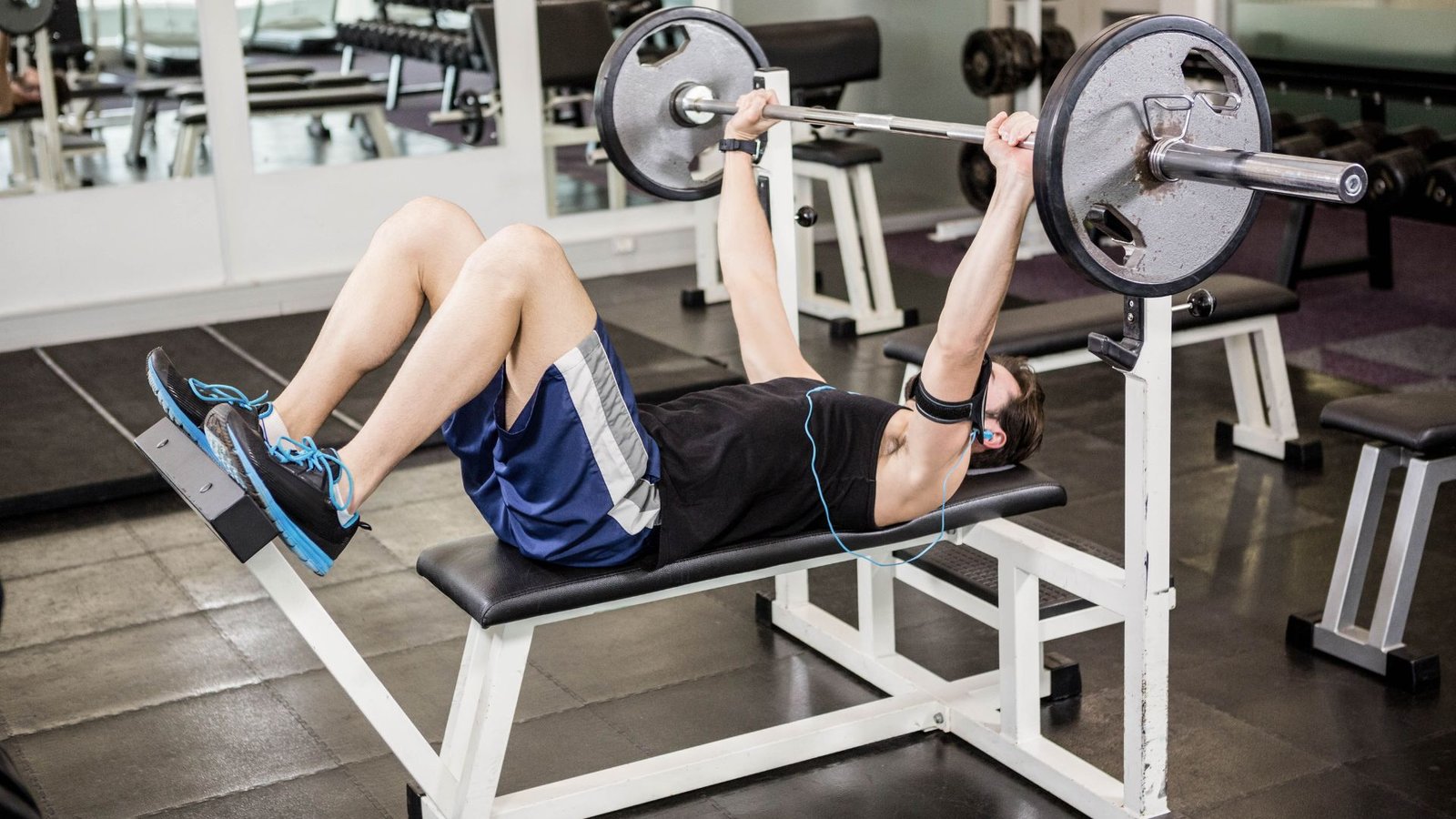
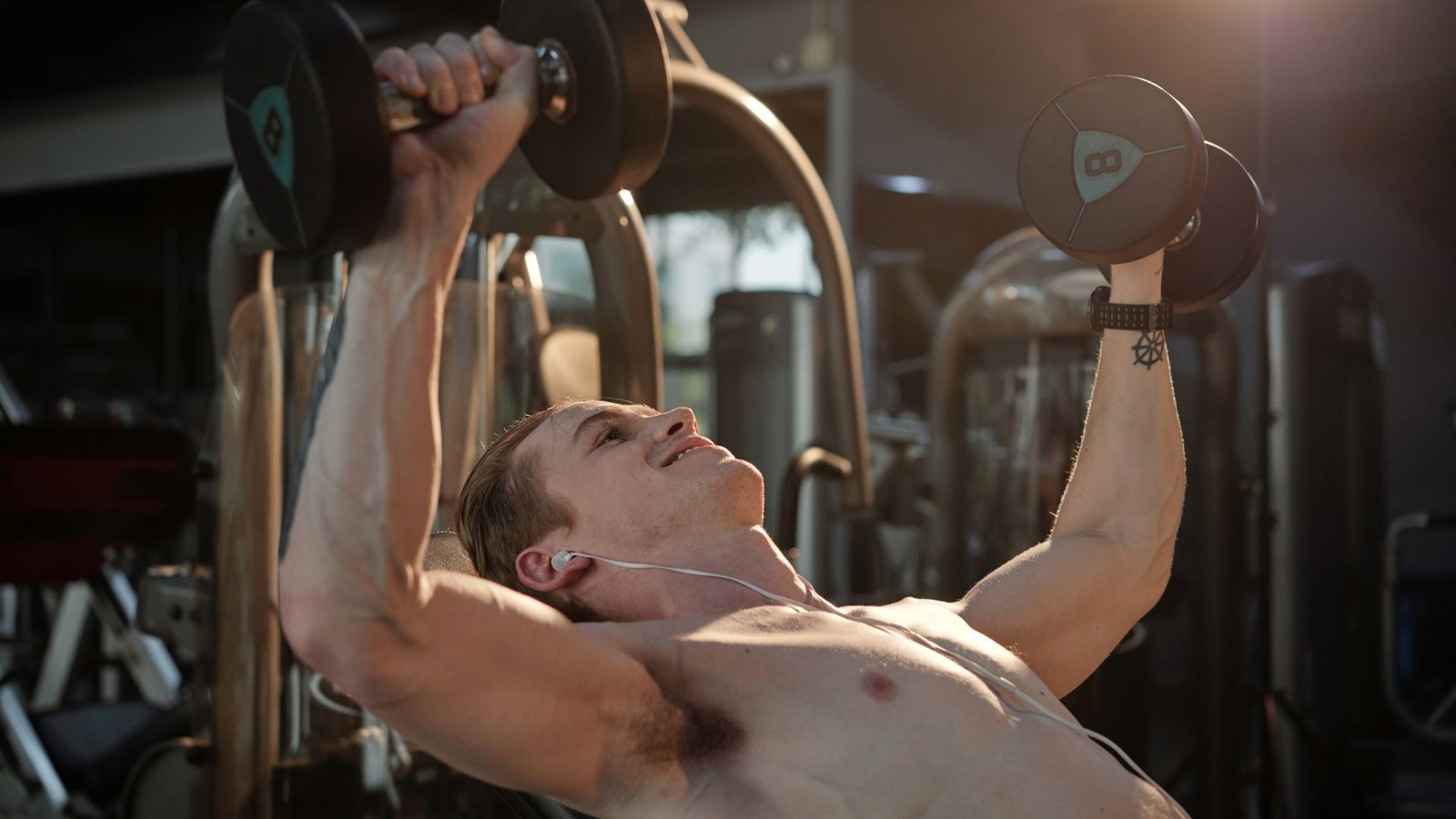
Bench presses are a staple in chest training routines. Dumbbell bench presses allow a greater range of motion and help correct muscle imbalances. Barbell bench presses are effective for building overall chest strength when performed with proper form.
These exercises form the backbone of many strength-focused chest workouts.
Chest Fly Movements
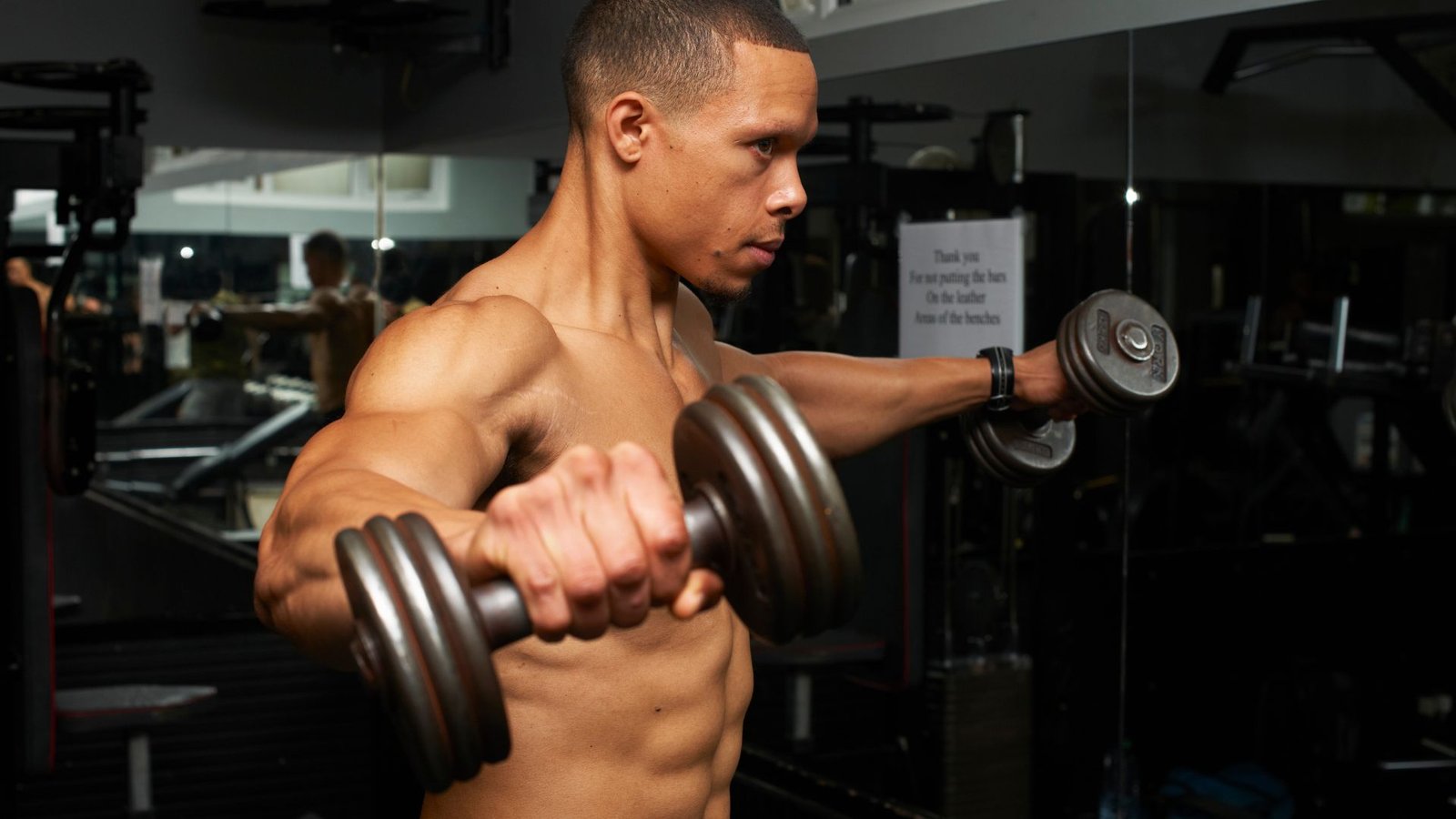
Chest fly exercises focus on stretching and contracting the chest muscles. They can be done with dumbbells, resistance bands, or machines. Fly movements are best performed after pressing exercises to reduce strain on the shoulders.
They help improve muscle definition and enhance mind-muscle connection.
Dips
When performed with a slight forward lean, dips place strong emphasis on the chest. Assisted dips are suitable for beginners, while unassisted dips challenge more advanced trainees.
Dips are demanding but highly effective and can significantly improve upper-body strength.
How to Structure a Chest Workout
A chest workout doesn’t need to be complicated. Choose three to four good chest exercises and perform them in a logical order. Start with compound exercises such as push-ups or bench presses, then move on to isolation exercises like chest flys.
Three to four sets of eight to twelve repetitions per exercise work well for most people. Training the chest two to three times per week allows enough stimulus for growth while supporting recovery.
Common Mistakes to Avoid
One of the most common mistakes is lifting weights that are too heavy too soon. This often shifts stress to the shoulders and increases injury risk. Skipping warm-ups or rushing through repetitions can also limit results.
Another mistake is neglecting back training. Balanced upper-body workouts ensure that good chest exercises support posture and joint health rather than causing imbalances.
Chest Training at Home or in the Gym
Good chest exercises can be done both at home and in the gym. At home, push-ups, floor presses, and resistance band exercises are effective options. In the gym, free weights and machines allow for more variety and progressive overload.
The best training environment is the one that supports consistency and confidence.
Staying Consistent and Seeing Results
Consistency is the most important factor in chest development. Tracking workouts, focusing on form, and allowing adequate recovery all contribute to progress. Strength and muscle growth take time, so patience is key.
Good chest exercises deliver the best results when combined with balanced training, proper nutrition, and regular effort.
Build a Stronger Chest With a Proven Plan
Good chest exercises can transform your upper-body strength, posture, and confidence when performed correctly and consistently. If you’re ready to stop guessing and want a structured chest training plan tailored to your goals, experience level, and available equipment, now is the time to take action. Contact a qualified fitness professional or explore guided training programs to start building a stronger, more defined chest today.