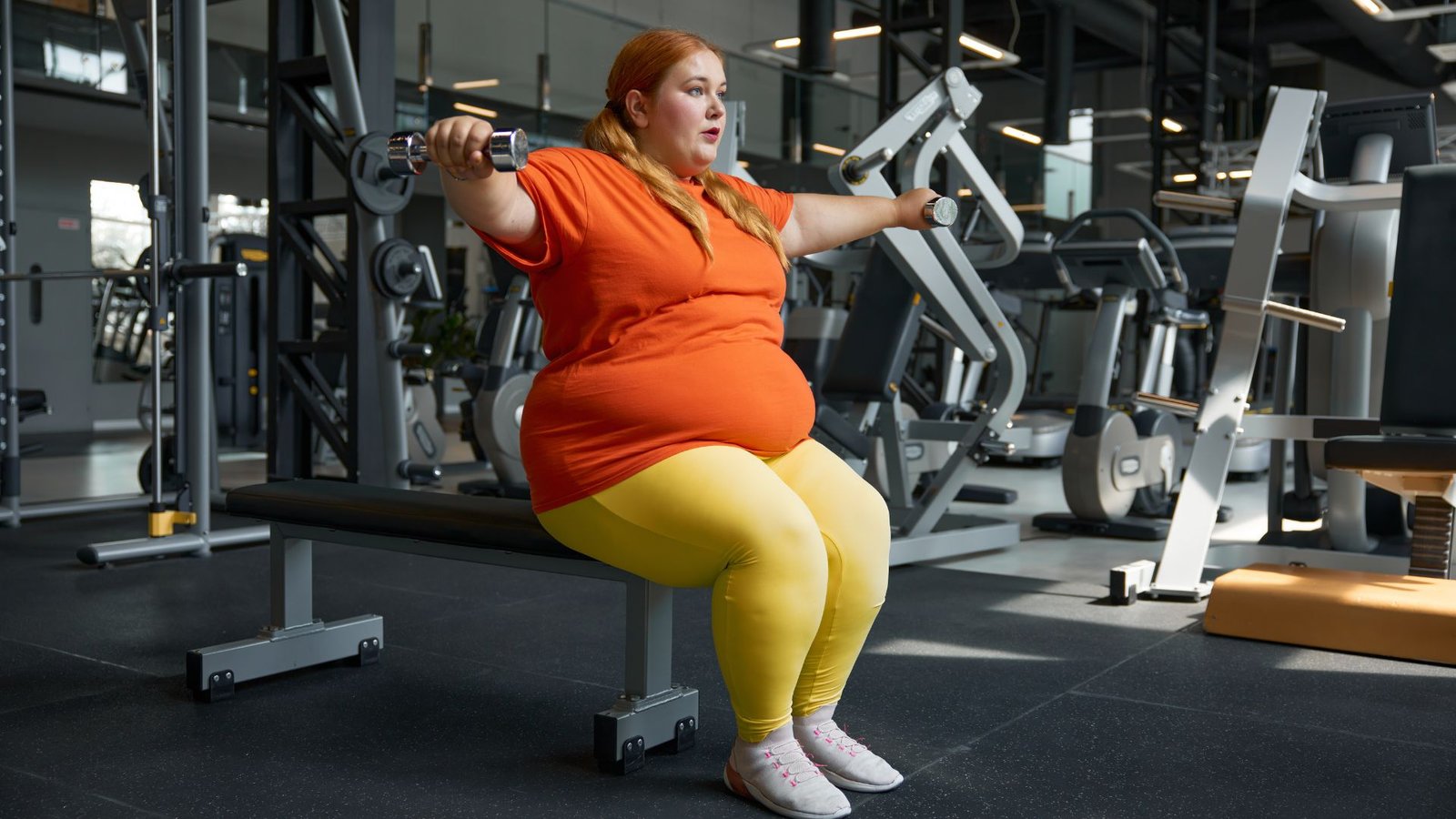
A properly designed fat loss workout is not about punishing your body with endless cardio or following extreme exercise plans that are impossible to maintain. True fat loss comes from a balanced approach that combines strength training, cardio, recovery, and consistency. When done correctly, a fat loss workout helps reduce body fat while keeping you strong, energized, and motivated.
Many people struggle with fat loss because they focus only on the scale. A successful fat loss workout prioritizes body composition, meaning you lose fat while preserving lean muscle. This approach leads to better long-term results and a healthier, more confident body.
What Is a Fat Loss Workout?
A fat loss workout is a structured training plan designed to increase calorie burn while maintaining or building muscle mass. Unlike weight loss programs that rely heavily on dieting alone, fat loss workouts focus on movement, strength, and overall fitness.
The most effective fat loss workouts include resistance training to boost metabolism and cardio to support calorie expenditure. Together, these elements help your body become more efficient at using stored fat for energy.

Why Strength Training Is Essential for Fat Loss
Strength training is the foundation of an effective fat loss workout. Muscle tissue requires more energy than fat tissue, even when you are at rest. This means maintaining muscle helps increase your daily calorie burn and supports long-term fat loss.
Compound exercises such as squats, deadlifts, lunges, presses, and rows are especially effective. These movements work multiple muscle groups at once, increasing workout efficiency and promoting greater energy expenditure.
Strength training also improves posture, joint stability, and functional strength, making everyday activities easier and safer.
The Role of Cardio in a Fat Loss Workout
Cardio supports a fat loss workout by increasing calorie burn and improving heart health. Activities such as brisk walking, cycling, swimming, or jogging are all effective options.
Low- to moderate-intensity cardio can be performed more frequently and is easier to recover from. It also helps reduce stress and improve endurance. While high-intensity sessions can be useful, excessive cardio may lead to fatigue and muscle loss, which can slow fat loss progress.
The key is balance. Cardio should support strength training, not replace it.
Nutrition and Recovery Support Fat Loss
No fat loss workout will be successful without proper nutrition and recovery. Exercise creates the stimulus for fat loss, but results happen when your body has the resources to recover and adapt.
Adequate protein intake supports muscle maintenance and recovery. Balanced meals with whole foods help regulate appetite and provide energy for workouts. Sleep is equally important, as poor sleep can disrupt hormones related to fat loss and recovery.
Rest days allow your muscles and nervous system to recover, reducing injury risk and improving long-term consistency.
Consistency Beats Intensity
The most effective fat loss workout is one you can follow consistently. Training three to five days per week is enough when workouts are structured properly.
Rather than pushing to exhaustion every session, focus on steady progress. Fat loss is rarely linear, and some weeks may feel slower than others. Staying consistent through these phases leads to lasting results.
Sample Fat Loss Workout Program
Below is a sample weekly fat loss workout plan that balances strength training, cardio, and recovery. This program is suitable for beginners and intermediate individuals and can be adjusted as fitness improves.
| Day | Focus | Workout Details |
|---|---|---|
| Monday | Full Body Strength | Squats, Push-Ups, Rows, Core Exercises |
| Tuesday | Cardio | Brisk Walking or Cycling for 30–40 Minutes |
| Wednesday | Upper Body | Chest Press, Shoulder Press, Lat Pulldowns |
| Thursday | Active Recovery | Light Walking or Mobility Work |
| Friday | Lower Body | Deadlifts, Lunges, Glute Bridges |
| Saturday | Conditioning | Circuit Training or Intervals |
| Sunday | Rest | Complete Rest |
This structure provides enough training stimulus to promote fat loss while allowing adequate recovery.
Adjusting Your Fat Loss Workout Over Time
As your fitness improves, your fat loss workout should evolve. Gradually increase resistance, add repetitions, or slightly extend workout duration. Small changes help prevent plateaus and keep your body adapting.
Pay attention to energy levels, sleep quality, and motivation. These signals help guide when to push harder and when to prioritize recovery.
Common Fat Loss Workout Mistakes
One common mistake is relying only on cardio and ignoring strength training. Another is training too hard without allowing enough recovery. Both approaches can stall progress and increase injury risk.
A balanced fat loss workout focuses on sustainability, not extremes.
Start Your Fat Loss Workout Today
If you are ready to lose fat, build strength, and feel more confident, start following a structured fat loss workout that fits your lifestyle. Use the sample program above as a starting point or work with a qualified fitness professional to create a personalized plan. Commit to consistency, trust the process, and take the first step toward long-term fat loss success today.