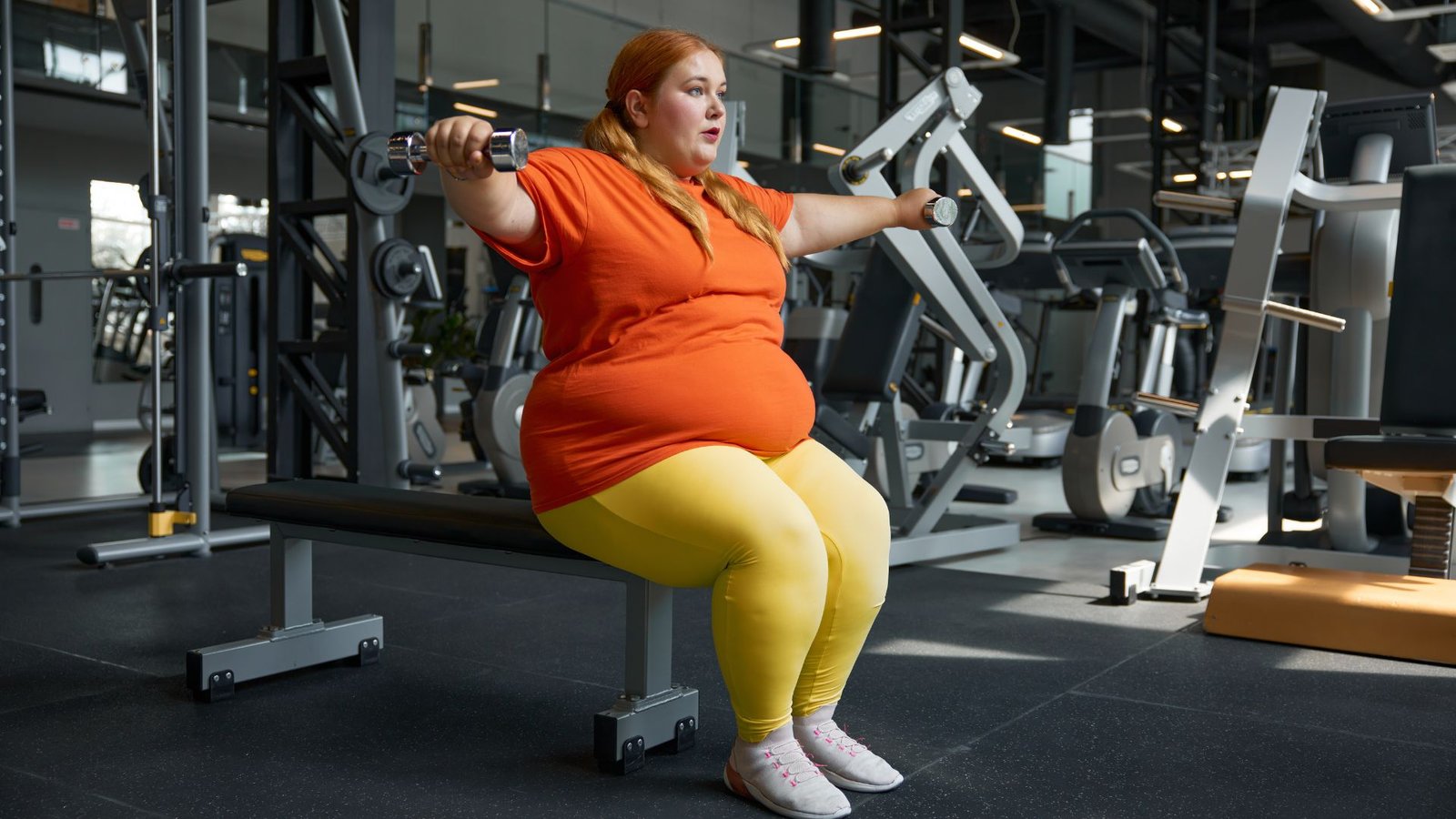
Finding the best exercise routine can feel overwhelming. With endless workout plans online promising fast transformations, it’s hard to know what actually works. The truth is, the best routine isn’t extreme, complicated, or trendy. It’s a plan that fits your lifestyle, supports your goals, and keeps you consistent over time.
Whether your aim is weight loss, muscle gain, or improved overall fitness, a structured and balanced exercise routine helps you train with purpose and see steady progress without burnout.
What Makes the Best Exercise Routine Effective?
The best exercise routine is built on balance. No single type of training can deliver complete results on its own. A well-designed routine combines different training elements that work together to improve your body as a whole.
An effective routine includes:
Strength training to build muscle and boost metabolism
Cardiovascular exercise to support heart health and endurance
Mobility and flexibility work to reduce injury risk
Rest and recovery to allow adaptation and progress
When these elements are aligned, workouts become more efficient and sustainable.

Strength Training as the Foundation
Strength training is a core component of the best exercise routine, regardless of fitness level. Building muscle improves strength, posture, and daily movement while also increasing resting metabolism. This means your body burns more calories even when you’re not exercising.
Compound exercises such as squats, deadlifts, presses, and rows are especially effective. They engage multiple muscle groups at once, making your workouts more time-efficient and functional. Consistent progression, proper form, and manageable volume are far more important than lifting heavy weights too soon.
The Role of Cardio in the Best Exercise Routine
Cardiovascular exercise supports heart health, lung capacity, and calorie burn. The best exercise routine does not require excessive cardio sessions or long hours on machines. Instead, it focuses on quality and consistency.
Activities such as brisk walking, cycling, swimming, or short high-intensity workouts can all be effective. The key is choosing cardio you enjoy so it becomes something you can maintain long term rather than a chore.
How Often Should You Work Out?
For most people, training four to five days per week is ideal. This frequency provides enough stimulus for improvement while still allowing time for recovery. Rest days are essential, as muscle repair and adaptation happen outside the gym.
Overtraining can lead to fatigue, stalled progress, and injury. The best exercise routine respects recovery as much as effort.
Sample Best Exercise Routine Program
| Day | Focus | Exercises | Duration |
|---|---|---|---|
| Monday | Full Body Strength | Squats, Push-Ups, Dumbbell Rows, Plank | 45 minutes |
| Tuesday | Cardio | Brisk Walking, Cycling, or Jogging | 30–40 minutes |
| Wednesday | Upper Body | Chest Press, Shoulder Press, Lat Pulldown, Bicep Curls | 45 minutes |
| Thursday | Active Recovery | Stretching, Yoga, or Mobility Work | 20–30 minutes |
| Friday | Lower Body | Lunges, Deadlifts, Step-Ups, Core Work | 45 minutes |
| Saturday | Optional | Light Cardio, HIIT, or Conditioning | 20–30 minutes |
| Sunday | Rest | Full Recovery | — |
This routine is flexible and can be adjusted based on experience level, available time, and personal goals.
Nutrition and Recovery Support Your Results
Even the best exercise routine depends on proper nutrition and recovery. Eating enough protein supports muscle repair, while carbohydrates provide energy for training. Whole foods help maintain consistent energy levels and overall health.
Sleep plays a major role in performance and recovery. Poor sleep can reduce motivation, slow progress, and increase injury risk. Staying hydrated also supports joint health, muscle function, and endurance.
Common Mistakes That Limit Progress
Many people struggle to see results because they:
Follow unstructured workout plans
Skip strength training
Change routines too often
Expect immediate results
The best exercise routine is built on patience, consistency, and realistic expectations.
Staying Consistent Over the Long Term
Consistency is what transforms a good plan into the best exercise routine for you. Tracking progress, setting achievable goals, and focusing on how you feel—not just how you look—can help maintain motivation.
As your fitness improves, adjusting intensity and volume keeps workouts challenging without becoming overwhelming.
Start Your Best Exercise Routine Today
If you’re ready to commit to the best exercise routine for your goals, now is the time to take action. Follow a balanced plan, prioritize recovery, and stay consistent. For personalized workout programs and expert guidance tailored to your lifestyle and fitness level, start today and begin building a stronger, healthier, and more confident you.