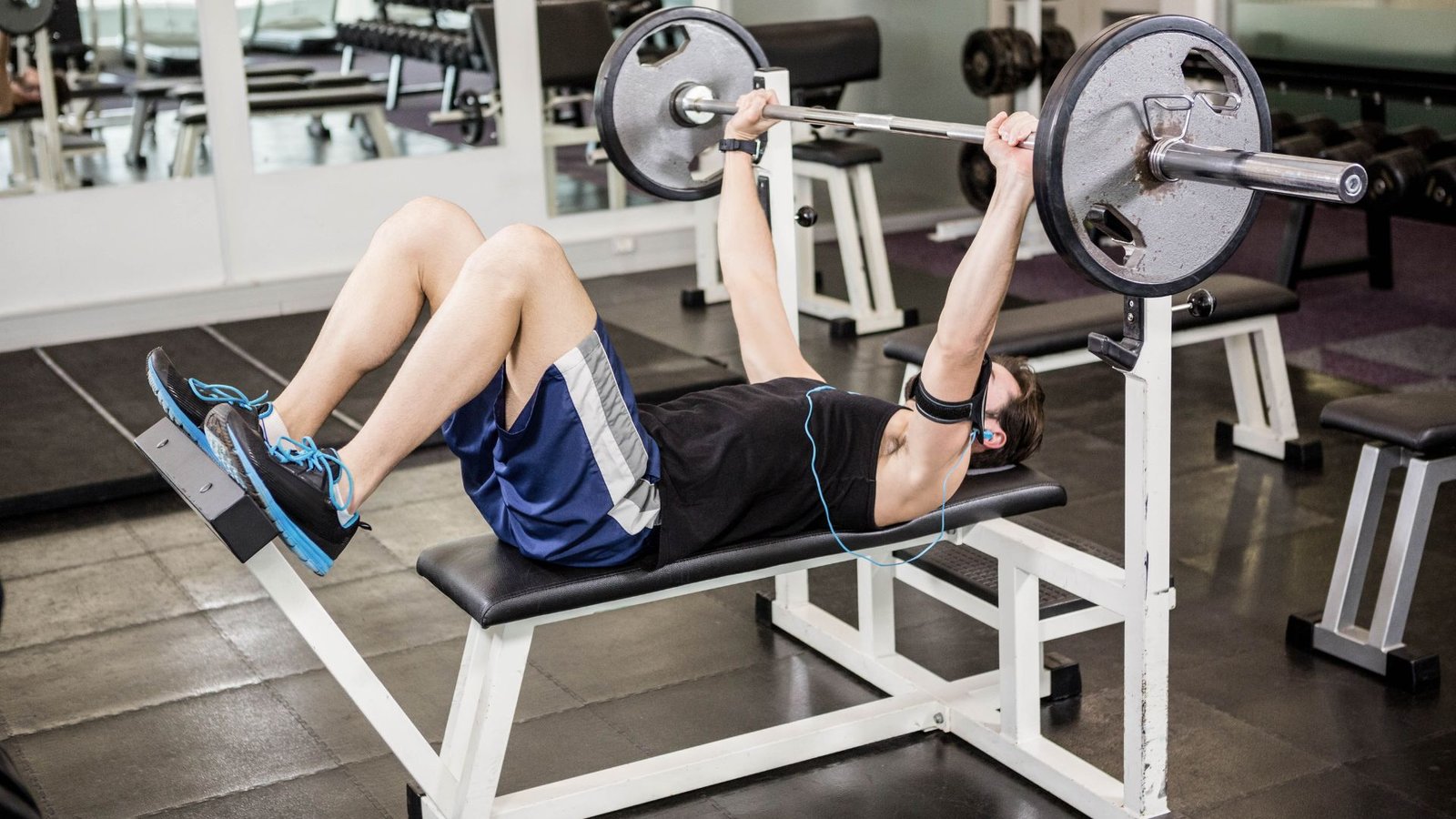
A well-designed back and bicep routine is one of the most effective ways to build upper-body strength, improve posture, and develop impressive arm and back definition. These two muscle groups naturally work together in pulling movements, making them a perfect pairing for the same workout day. When trained correctly, your back becomes stronger and wider, while your biceps grow thicker and more defined.
Whether you’re training at the gym or at home with minimal equipment, a consistent back and bicep routine can completely change the way your upper body looks and performs. More importantly, it builds functional strength that carries into everyday life, sports, and other workouts.
Why a Back and Bicep Routine Works So Well
The back and biceps are both involved in pulling motions. Whenever you perform rows, pull-downs, or pull-ups, your biceps assist the larger back muscles. Training them together improves overall performance and allows you to lift heavier with better control.
Here’s why a back and bicep routine is so effective:
It maximizes muscle activation in one session
It improves pulling strength and grip power
It creates balanced upper-body development
It helps prevent posture-related injuries
It saves time by grouping complementary muscles
When your back grows stronger, your biceps follow, and vice versa. Together, they create a powerful, athletic upper body.

Muscles Targeted in a Back and Bicep Routine
A proper back and bicep routine targets several key muscles, including:
Latissimus dorsi for width and upper-body shape
Trapezius for upper-back thickness and stability
Rhomboids for posture and shoulder control
Biceps brachii for arm size and strength
Forearms for grip and endurance
Training all of these muscles together creates a strong, balanced pulling system that supports both performance and aesthetics.
The Foundation of an Effective Back and Bicep Routine
Every successful back and bicep routine starts with compound pulling movements. These exercises activate multiple muscles at once and allow you to lift heavier weights safely.
Key compound pulling movements include:
Rows (dumbbell, barbell, or machine)
Pull-ups or assisted pull-ups
Lat pull-down variations
These exercises form the backbone of your routine and should always be prioritized before isolation work.
Once the larger muscles are sufficiently trained, isolation exercises for the biceps help build size, shape, and definition.
Sample Structure for a Back and Bicep Routine
A balanced back and bicep routine should follow a clear structure:
Warm-up with light pulling movements and mobility work
Heavy compound back exercises
Moderate bicep-focused movements
Finishing exercises for endurance and muscle fatigue
Stretching and cool-down
This structure allows you to train with intensity while minimizing injury risk and maximizing muscle growth.
How Often Should You Train a Back and Bicep Routine?
For most people, training a back and bicep routine once or twice per week delivers excellent results. Beginners often do best with one dedicated session per week, while intermediate and advanced lifters may train these muscle groups twice weekly with different intensity levels.
Recovery plays a major role in growth. Muscles repair and grow stronger during rest, not during the workout itself. Getting enough sleep, staying hydrated, and eating enough protein will directly impact your progress.
Fat Loss vs. Muscle Growth With a Back and Bicep Routine
Your back and bicep routine can be tailored to your personal goal.
For fat loss:
Use moderate weights
Perform higher repetitions
Shorten rest periods
For muscle growth:
Use heavier resistance
Lower repetition ranges
Longer rest for recovery between sets
Both methods improve strength and appearance—it’s your training style that determines which result you prioritize.
Common Mistakes That Limit Results
Many people work hard in the gym but still struggle to build their back and biceps due to avoidable mistakes. The most common ones include:
Using momentum instead of controlled movement
Lifting weights that are too heavy
Neglecting full range of motion
Overtraining the biceps but undertraining the back
Skipping warm-ups
Perfecting your form and staying consistent will always outperform random, aggressive training.
The Mental Benefits of a Back and Bicep Routine
There’s something powerful about pulling heavy weight with control. A back and bicep routine trains not only the body but also the mind. Each rep demands focus, patience, and discipline. Over time, this builds confidence, mental resilience, and a strong mind-to-muscle connection that improves every part of your training.
Many lifters find that their posture improves, daily tasks feel easier, and their self-confidence grows as their strength increases.
Long-Term Benefits of Training Back and Biceps
Sticking to a consistent back and bicep routine delivers lasting benefits that go far beyond muscle size:
Improved posture and reduced back pain
Greater lifting performance
Stronger grip and pulling power
Better balance between pushing and pulling muscles
Increased overall athletic ability
A strong back also supports every major lift, including squats, deadlifts, and presses.
Commit to Your Back and Bicep Routine Today
If you’re ready to build real upper-body strength and carve out strong, defined arms and back, now is the perfect time to commit to a structured back and bicep routine. Consistency, proper technique, and progressive effort are what create lasting results.
Start with a plan you can follow, track your progress, and challenge yourself just a little more each week. If you want faster results and a routine built specifically for your body and goals, consider working with a qualified fitness professional who can help you train smarter and stronger. Your transformation begins with the next pull.