Starting a fitness routine can feel intimidating, especially if you’re new to exercise or returning after a long break. Many beginners worry they need a gym membership, special equipment, or advanced workouts to see results. The truth is, exercise for beginners at home is one of the most effective and sustainable ways to build strength, improve health, and gain confidence. With simple movements, a realistic schedule, and the right mindset, you can create a fitness routine that fits your life and supports long-term success.
Why Exercise for Beginners at Home Is a Great Choice
One of the biggest benefits of exercising at home is comfort. You can move at your own pace without feeling judged or rushed. This relaxed environment makes it easier to focus on learning proper form and understanding how your body responds to movement.
Exercise for beginners at home is also incredibly flexible. You don’t need to travel, wait for equipment, or follow strict class schedules. Even short workouts can be effective when done consistently, making it easier to stay active despite a busy lifestyle.
Most importantly, home workouts allow beginners to progress gradually. You stay in control of intensity, duration, and frequency, which reduces the risk of injury and burnout.
What Beginners Should Know Before Starting
Before starting any exercise routine, it’s important to set realistic expectations. Progress takes time, and small improvements add up. Consistency matters far more than perfection.
Warming up prepares your muscles and joints for movement. Simple actions like marching in place, arm circles, and gentle stretching help reduce stiffness and improve performance. Cooling down after your workout supports recovery and helps prevent soreness.
Exercise for beginners at home should feel challenging but safe. Muscle fatigue is normal, but sharp pain or dizziness is a sign to stop and rest.
Best Types of Exercise for Beginners at Home
Bodyweight Strength Training
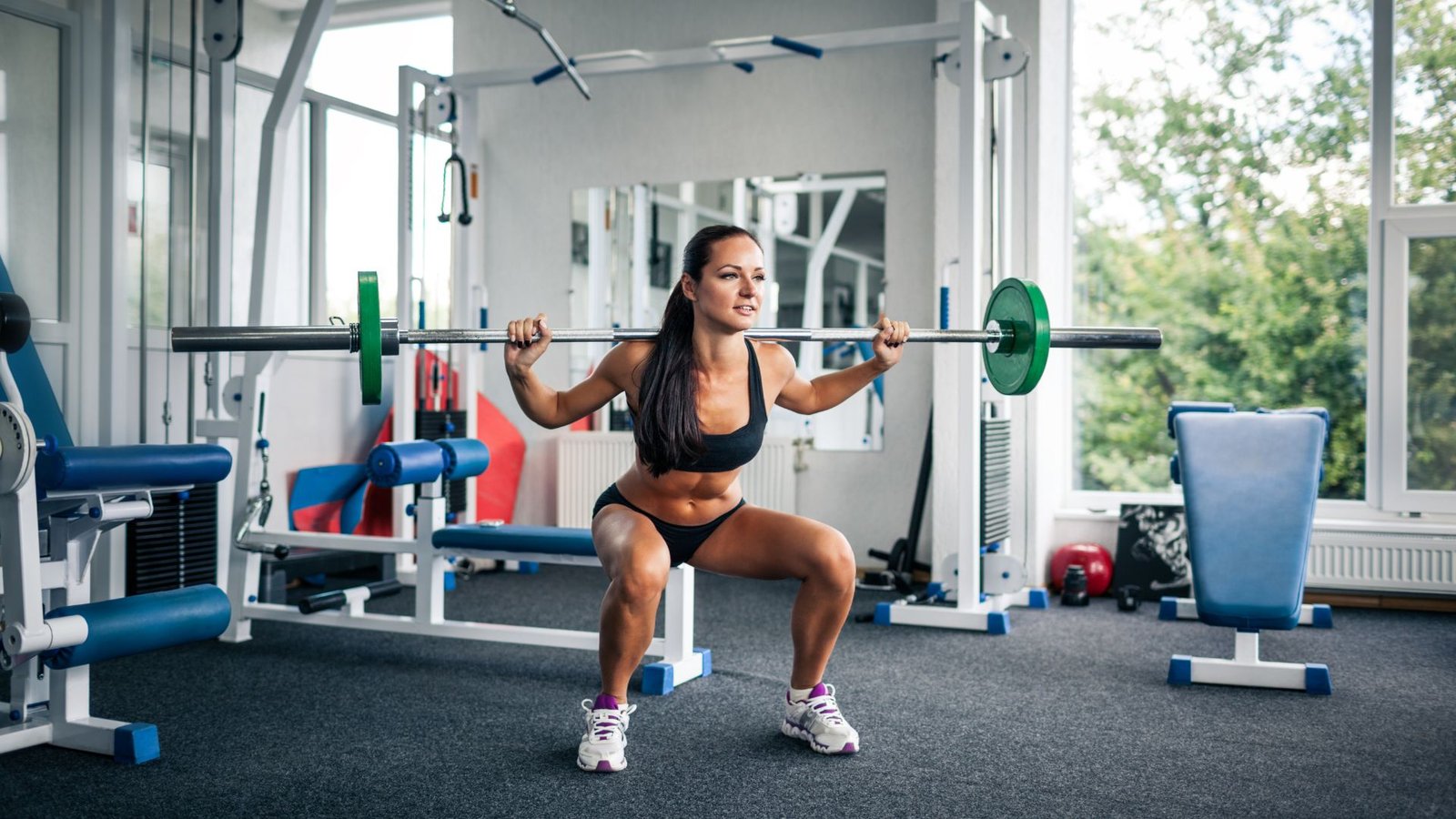
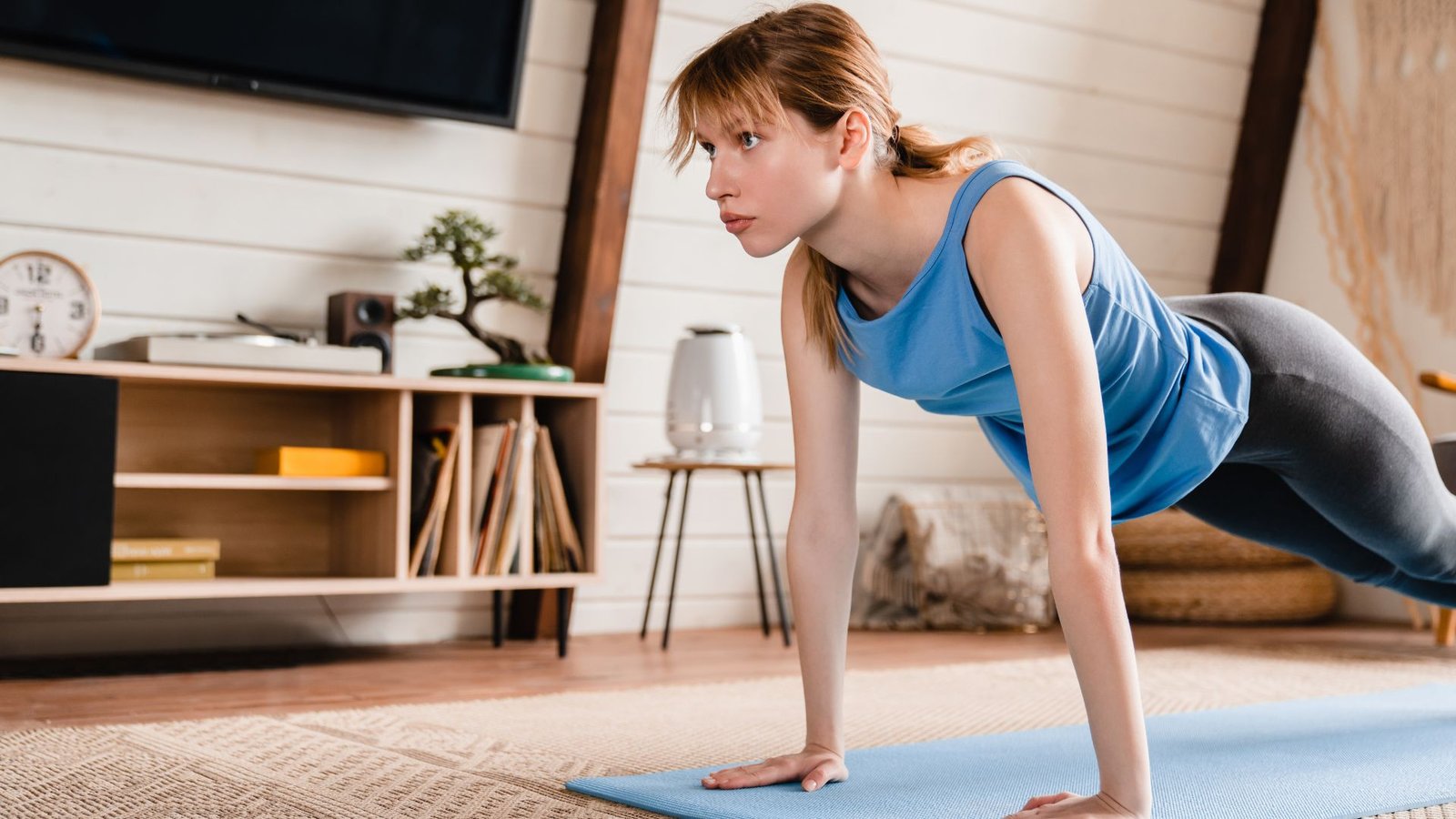
Bodyweight exercises are ideal for beginners because they are simple and effective. Squats, wall push-ups, glute bridges, and step-back lunges help strengthen major muscle groups while improving balance and coordination.
These movements build functional strength that supports daily activities such as walking, lifting, and climbing stairs.
Low-Impact Cardio
Cardio improves heart health and boosts energy levels. For beginners, low-impact options are best. Walking in place, stepping side to side, light dancing, or beginner cardio routines raise your heart rate without stressing your joints.
Short cardio sessions done consistently are often more effective than long, infrequent workouts.
Core and Stability Exercises
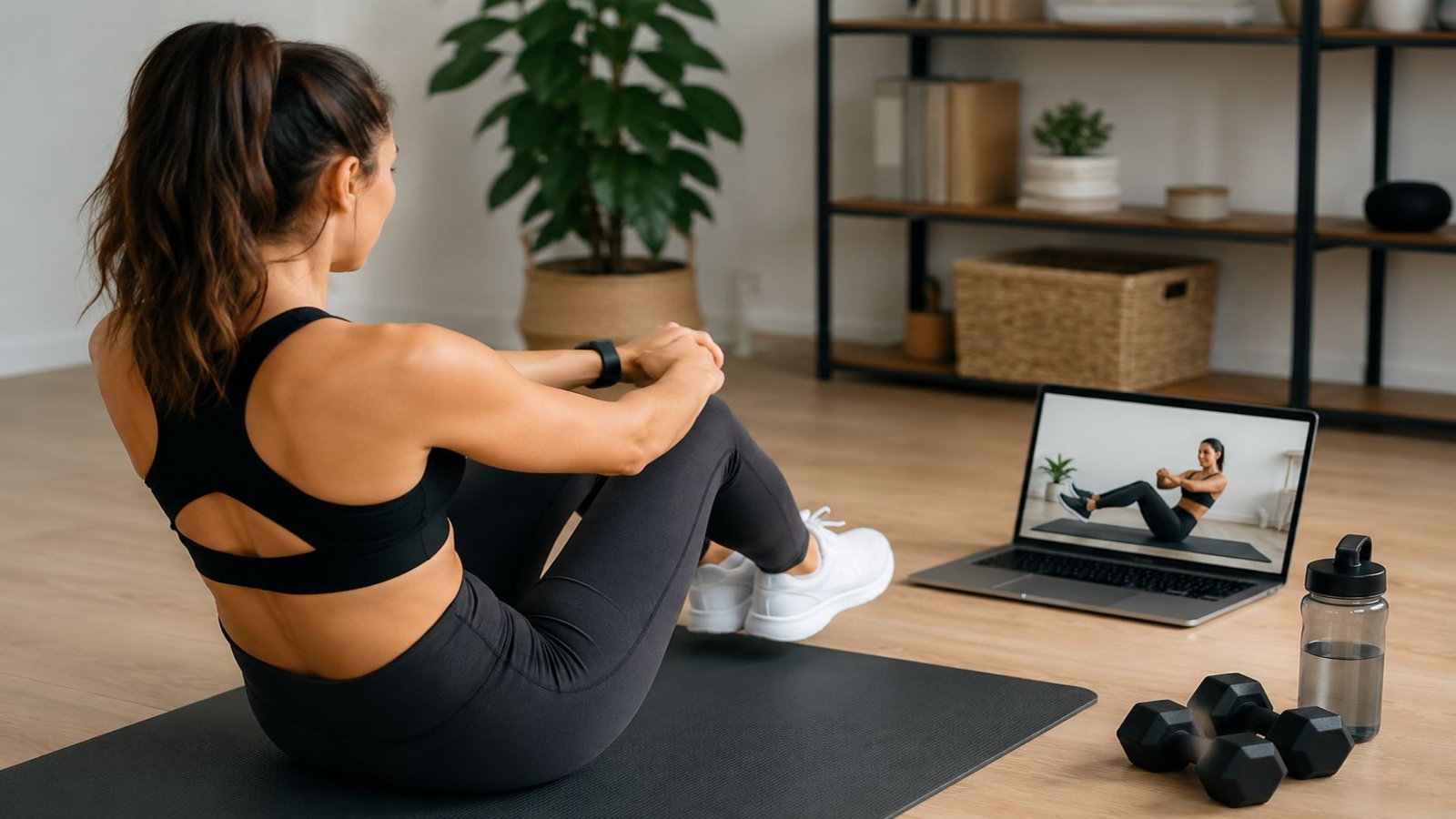
Core strength supports posture and protects your lower back. Beginner-friendly core exercises such as seated knee lifts, standing torso rotations, and gentle floor movements improve stability and control.
Including core work in your exercise for beginners at home routine helps improve overall movement quality and confidence.
How to Structure a Beginner Home Workout
Keeping workouts simple makes them easier to maintain. A beginner-friendly workout structure might look like this:
Five minutes of warm-up
Three to five basic strength exercises
Ten to fifteen minutes of light cardio
Five minutes of stretching or relaxation
This structure keeps workouts between 20 and 30 minutes, which is enough to see progress without feeling overwhelming.
How Often Should Beginners Exercise at Home?
For most beginners, exercising three to four times per week is a great starting point. This frequency allows your body time to recover while still providing enough activity to build strength and endurance.
As your fitness improves, you can gradually increase workout duration or add an extra session. Exercise for beginners at home should evolve slowly to support long-term consistency.
Common Beginner Mistakes to Avoid
One common mistake is doing too much too soon. Overtraining often leads to soreness, fatigue, and loss of motivation. Rest days are essential and should be viewed as part of the process, not a setback.
Another mistake is comparing yourself to others. Everyone starts at a different level, and progress is personal. Exercise for beginners at home is about improving your own health and confidence, not keeping up with someone else.
Skipping warm-ups or rushing through exercises can also slow progress. Proper preparation and controlled movement lead to better results.
Staying Motivated and Consistent
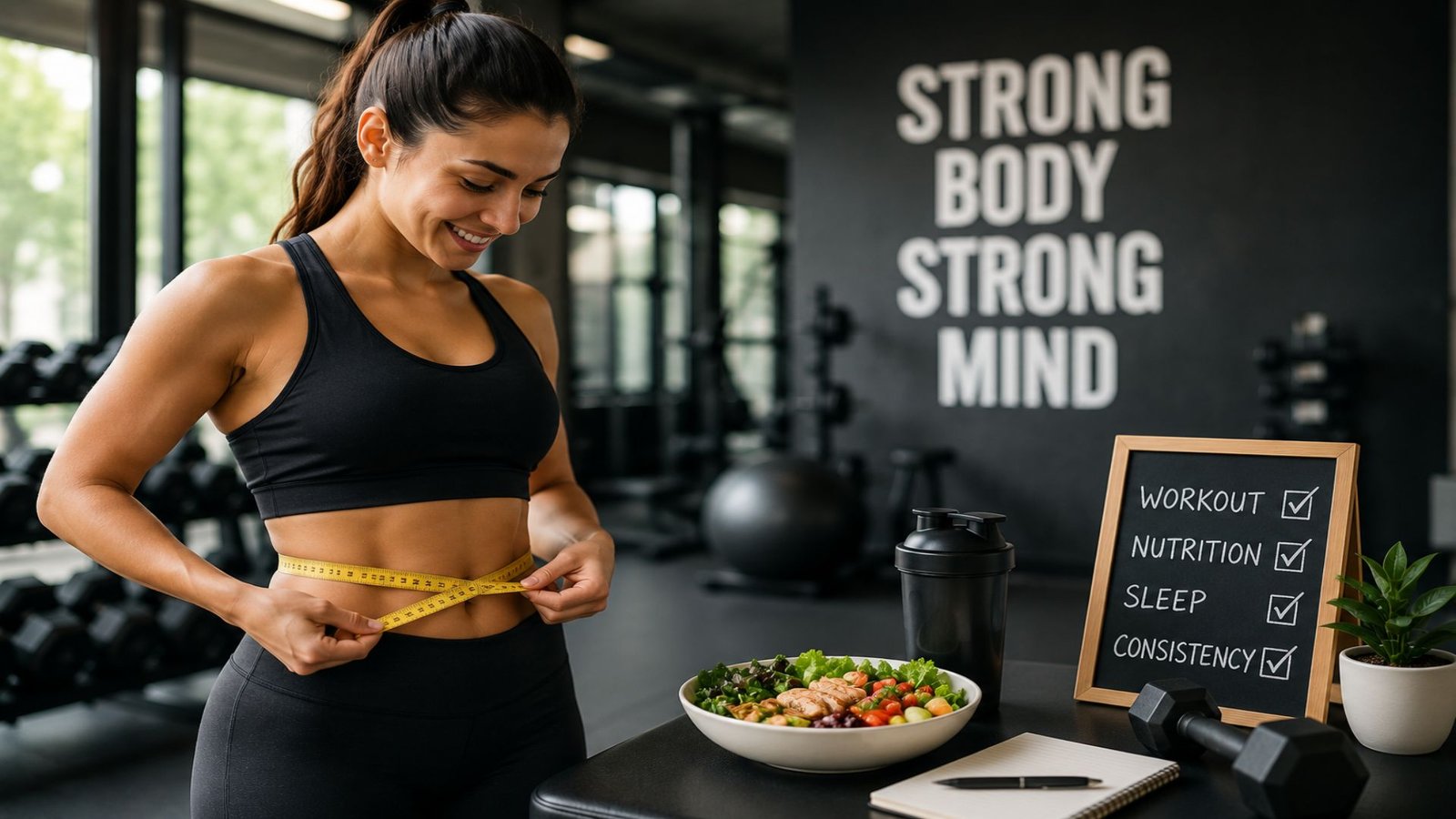
Motivation grows through action. Setting small, achievable goals such as completing three workouts per week can build confidence and momentum. Tracking progress, even in simple ways, helps reinforce positive habits.
Creating a routine makes exercise easier to maintain. Choose a consistent time and a dedicated space in your home. Over time, exercise becomes part of your lifestyle rather than something you have to force yourself to do.
Exercise for beginners at home should feel supportive and empowering, not stressful.
Start Your Home Fitness Journey Today
Exercise for beginners at home is one of the safest and most effective ways to improve your health, strength, and confidence. If you’re ready to move beyond guesswork and want a clear, beginner-friendly plan designed around your goals and lifestyle, now is the perfect time to take action. Contact a qualified fitness professional or explore guided beginner programs to build consistency, stay motivated, and create lasting results.